Analysis
Inside the Sacramento Sentinels' Contact-First Offensive Approach
A disciplined, situational lineup is outscoring flashier rivals by refusing to beat itself.
Working the count does more than draw walks, and the league's best lineups know it.
Plate discipline is among the least glamorous skills in baseball and among the most valuable, a combination that explains why it is so consistently underrated by casual observers and so consistently prized by the people who win. In summer collegiate ball, where young hitters are often still learning to control the strike zone and young pitchers are often still learning to find it, plate discipline becomes an even sharper weapon than it is in the professional game.
The most obvious value of discipline is the walk itself, a free base that advances runners and extends innings without requiring a hit. But reducing plate discipline to walks badly undersells it. The deeper value lies in what a disciplined approach does to the pitcher, and that effect ripples far beyond the individual plate appearance in which it occurs.
Summer pitchers live under strict pitch counts. A starter might be pulled after seventy-five pitches regardless of how he is performing, because his college program has mandated it. A lineup full of disciplined hitters who work deep counts, foul off pitcher's pitches, and refuse to chase can drive that starter from the game two or three innings earlier than an aggressive lineup would. That is not a small advantage. It means facing the opponent's weaker relief arms sooner and for more innings, which is frequently where summer games are decided.
The Long Beach Lumber have made this a cornerstone of their offensive identity. They do not swing at the first hittable pitch as a matter of principle; they make the pitcher prove he can throw strikes, and they punish him when he cannot. The cumulative effect is that opposing starters rarely finish a full outing against them, and the Lumber spend most of their at-bats attacking bullpens that were never meant to carry such a load.
There is a second, subtler benefit. A disciplined hitter who lays off pitches outside the zone forces the pitcher to come into the zone, where hittable pitches live. Discipline and power are not opposites; they are partners. The hitter who refuses to expand the zone eventually gets a pitch he can drive, because the pitcher runs out of room to nibble. The most dangerous power hitters in the league are frequently also the most disciplined, because their patience earns them the counts in which pitchers must throw something hittable.
The counterexample is instructive. Lineups that chase, that swing early and often at pitches off the plate, let mediocre pitchers survive. A pitcher with shaky command can get away with it against a free-swinging lineup that bails him out by expanding the zone for him. Against a disciplined lineup, that same pitcher walks the ballpark and gets knocked out early. Discipline, in other words, converts an opponent's weakness into a decisive advantage, and indiscipline lets the opponent off the hook.
The lesson for any summer program is that teaching the strike zone pays dividends that extend well past the walk column. A patient lineup shortens opposing starts, forces favorable counts, enables its own power, and exploits the command issues that plague young pitching. It is quiet, it is unglamorous, and it wins games that louder approaches leave on the field.
A disciplined, situational lineup is outscoring flashier rivals by refusing to beat itself.
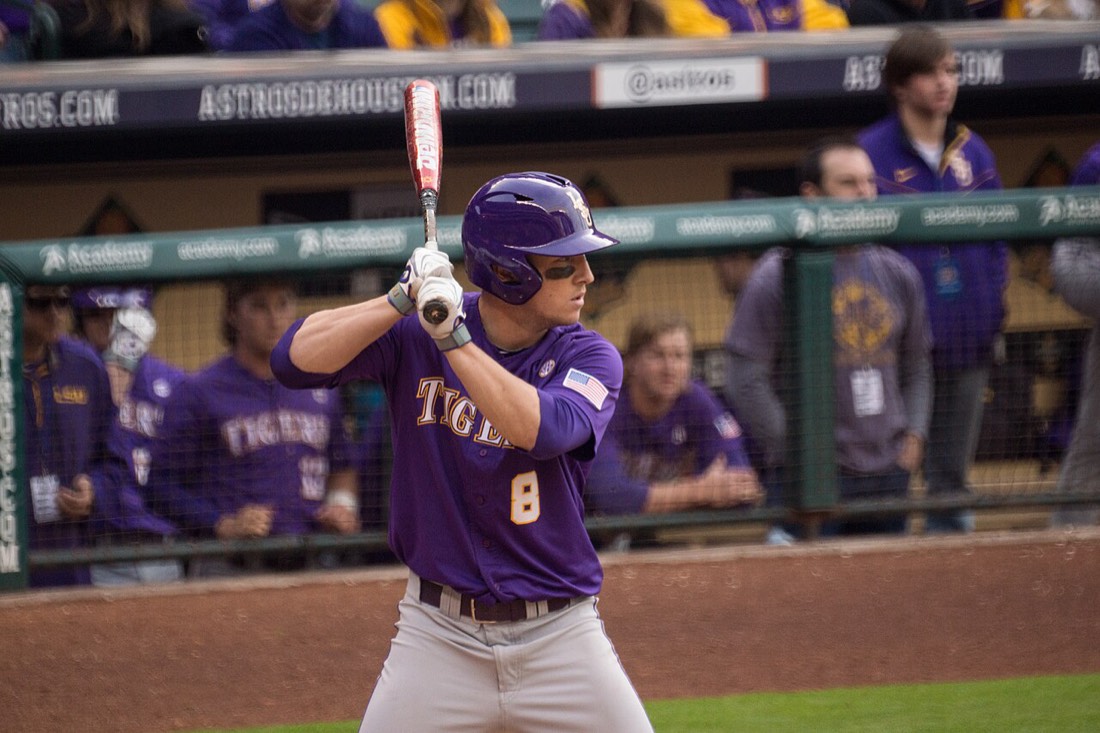
Stockton has built a lineup that refuses to strike out, and in a low-scoring league, that stubbornness is a competitive edge.
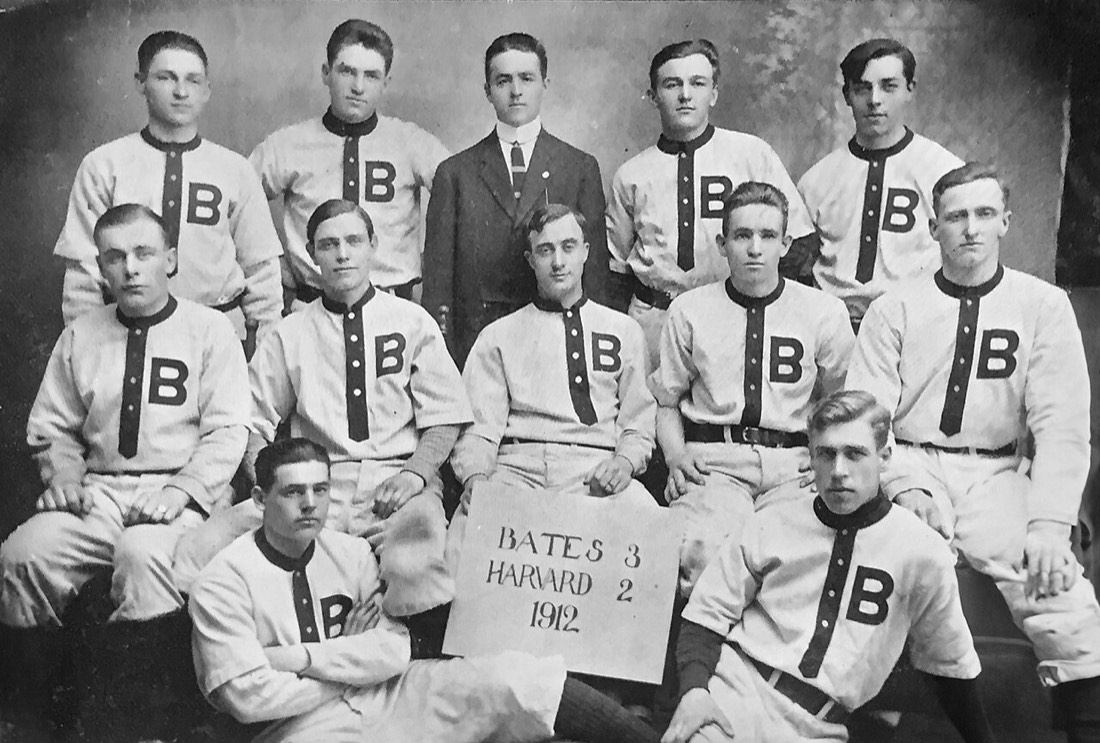
The switch from metal to wood compresses the margin for error at the plate, and the numbers reveal exactly how.
Comments
Be the first to comment on this story.