Analysis
The Underrated Value of Plate Discipline for Summer Hitters
Working the count does more than draw walks, and the league's best lineups know it.
A disciplined, situational lineup is outscoring flashier rivals by refusing to beat itself.
In an era when amateur hitters are increasingly taught to swing for the fences and accept strikeouts as the cost of power, the Sacramento Sentinels have built one of the most productive offenses in the Golden State Collegiate Baseball League by doing almost the opposite. Their approach is not nostalgic or stubborn; it is a deliberate, evidence-based response to the specific conditions of summer baseball.
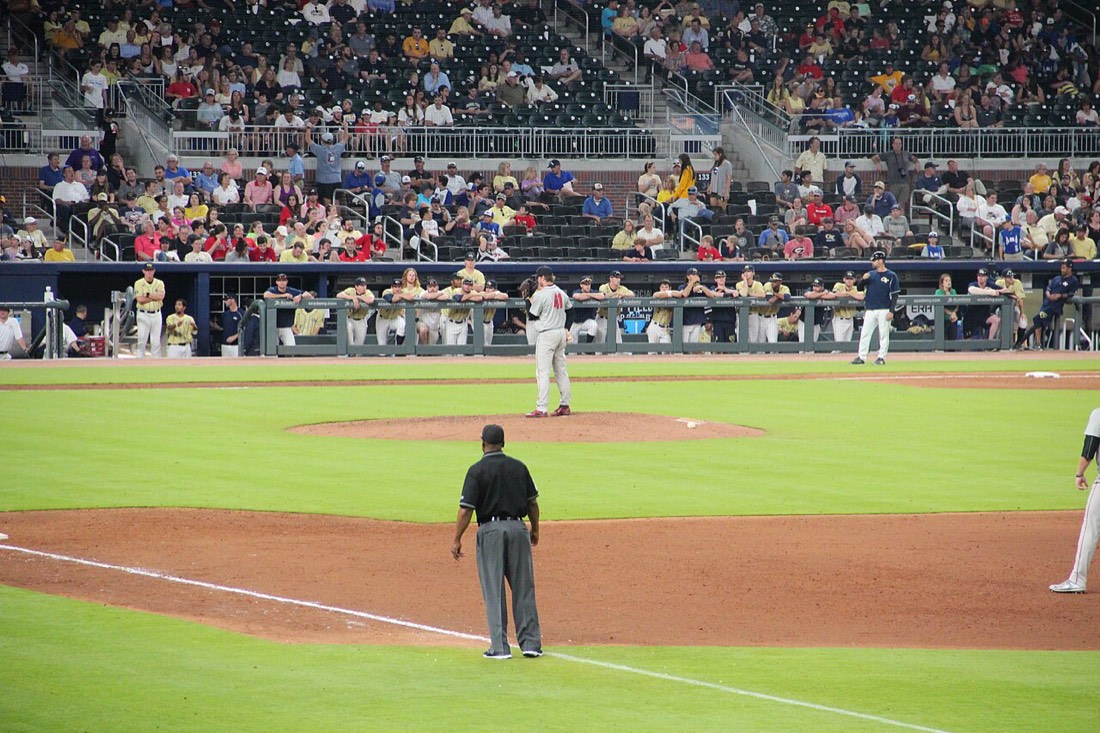
The foundation of the Sentinels' offense is contact. As a team, they strike out at the lowest rate in the league and put the ball in play more consistently than any rival. In a professional context, that might be a weakness, because big-league defenses convert batted balls into outs with ruthless efficiency. In summer ball, where defenders are often playing out of position and fielding is the least polished facet of the game, every ball in play is a gamble the defense might lose.
The Sentinels understand this intuitively. By putting the ball in play, they force summer defenses, frequently assembled from players at unfamiliar positions, to make plays. A routine grounder becomes an adventure, a shallow fly ball becomes a miscommunication, and the Sentinels' baserunners are always moving, converting those adventures into extra bases and runs.
Their lineup construction reinforces the philosophy. Rather than stacking power bats and hoping for the three-run homer, Sacramento's coaching staff has arranged hitters to maximize the probability of a rally extending. Contact hitters with gap power are deployed in run-producing spots, and the staff emphasizes moving runners over, hitting behind them, and making productive outs when the situation demands it.
The results validate the method. The Sentinels do not lead the league in home runs, nor do they particularly care to. What they lead in is runners who reach scoring position and, crucially, runners who are driven in once they get there. Their rate of scoring a runner from third with fewer than two outs is the best in the GSCBL, a statistic that reflects not raw talent but situational execution drilled relentlessly in practice.
There is a philosophical coherence to all of this that deserves credit. Summer baseball rewards teams that can score without relying on power, because power is the most volatile offensive outcome and the hardest to sustain across a short season with constantly changing pitching. A home-run-dependent offense goes cold for a week and loses five games. A contact-and-pressure offense manufactures three runs on a night when nothing is falling, and three runs often wins in a league where pitching depth is scarce.
None of this means the Sentinels are invulnerable. Against the rare opponent with a genuinely sharp, well-positioned defense, their contact-first approach loses some of its edge, and they can go stretches without the big inning that breaks a game open. But over a full summer, against the league they actually face, their refusal to beat themselves has proven to be a far more reliable path to runs than the alternative. They are a model of fitting a strategy to the environment rather than the fashion.
Working the count does more than draw walks, and the league's best lineups know it.
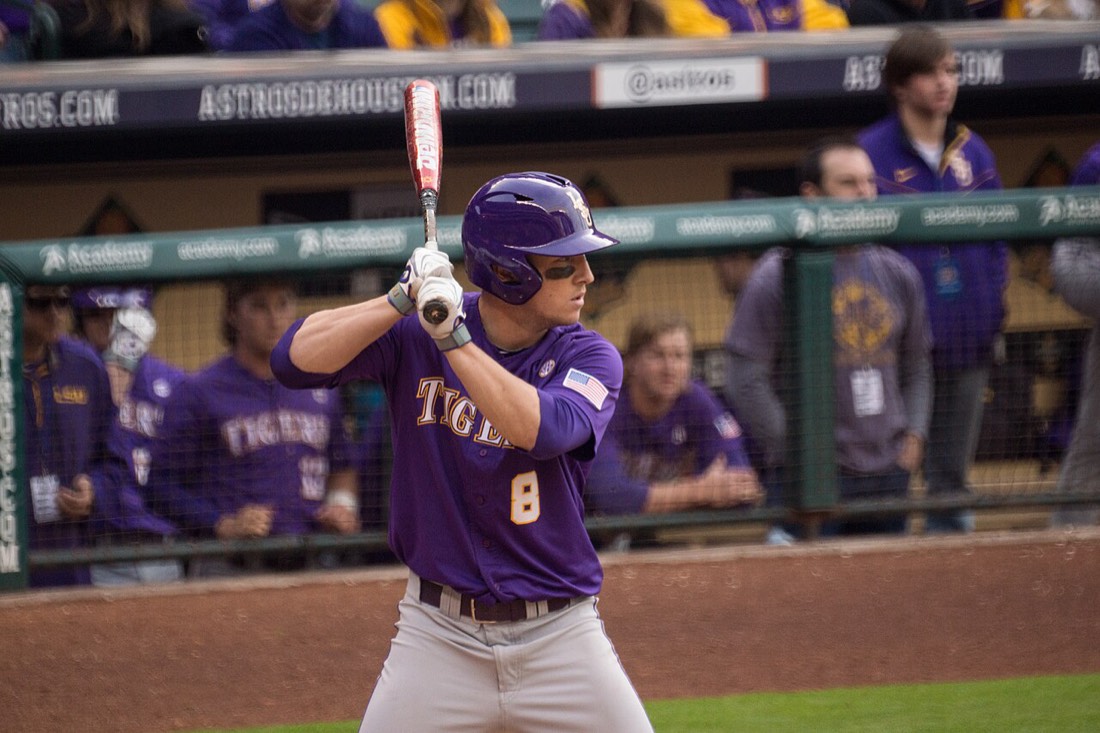
Stockton has built a lineup that refuses to strike out, and in a low-scoring league, that stubbornness is a competitive edge.
A late-season surge carries the Sentinels into the postseason as the Valley Division race comes down to the wire.
Comments
Be the first to comment on this story.