News
Stockton Manager Steps Down; Bench Coach Takes Interim Role
Vince Oliveri departs for a college opportunity as the Stags promote bench coach Ellis Marsh to interim manager.
Stockton has built a lineup that refuses to strike out, and in a low-scoring league, that stubbornness is a competitive edge.
In a league where runs are scarce and the wooden bat punishes the slightest mistiming, the Stockton Stags have staked their identity on a single stubborn principle: put the ball in play. The Stags strike out less frequently than any club in the league, and that discipline has become the foundation of a lineup that consistently pressures opposing defenses.
The approach is most visible with two strikes. Where many hitters maintain an aggressive, all-or-nothing swing deep into counts, Stockton's batters visibly shorten up, choke slightly higher on the handle, and prioritize contact over power. The goal is simple: make the defense record an out rather than hand one over on a swing and miss.
The philosophy rests on a sound premise. A ball put in play, even weakly, can produce an error, a fortunate bounce, or a hit through a gap. A strikeout produces nothing. In a low-run environment, where a single run can decide a game, maximizing the number of batted balls is a rational strategy, and the Stags have embraced it with unusual conviction.
"Strikeouts are the only outcome where the defense doesn't have to do anything," said Stockton hitting coach Gregor Yannakis. "Every time you put it in play, you give nine guys a chance to mess up. In this league, that's worth more than trying to drive everything out of the park."
The numbers bear out the logic. The Stags rank among the league leaders in batting average on balls in play, and their lineup produces a steady stream of two-out hits that keep innings alive. The team's run total is built not on home runs, of which it hits relatively few, but on a relentless accumulation of base runners and timely contact.
Critics argue the approach caps the Stags' ceiling. A contact-first lineup rarely explodes for the big inning that can bury an opponent, and against elite pitching that limits hard contact, Stockton can struggle to string together enough singles to matter. The Stags' occasional offensive droughts, when the soft contact simply finds gloves, are the price of the philosophy.
Yannakis accepts the tradeoff. "We're not going to beat you 11-2. We're going to beat you 4-3, and we're going to make you earn all 27 outs," he said. In a division race decided by narrow margins, that willingness to grind out at-bats has kept the Stags in contention all summer. It is not a glamorous way to play, but in a wooden-bat league, glamour is overrated. Putting the ball in play, over and over, turns out to be its own kind of weapon.
Vince Oliveri departs for a college opportunity as the Stags promote bench coach Ellis Marsh to interim manager.
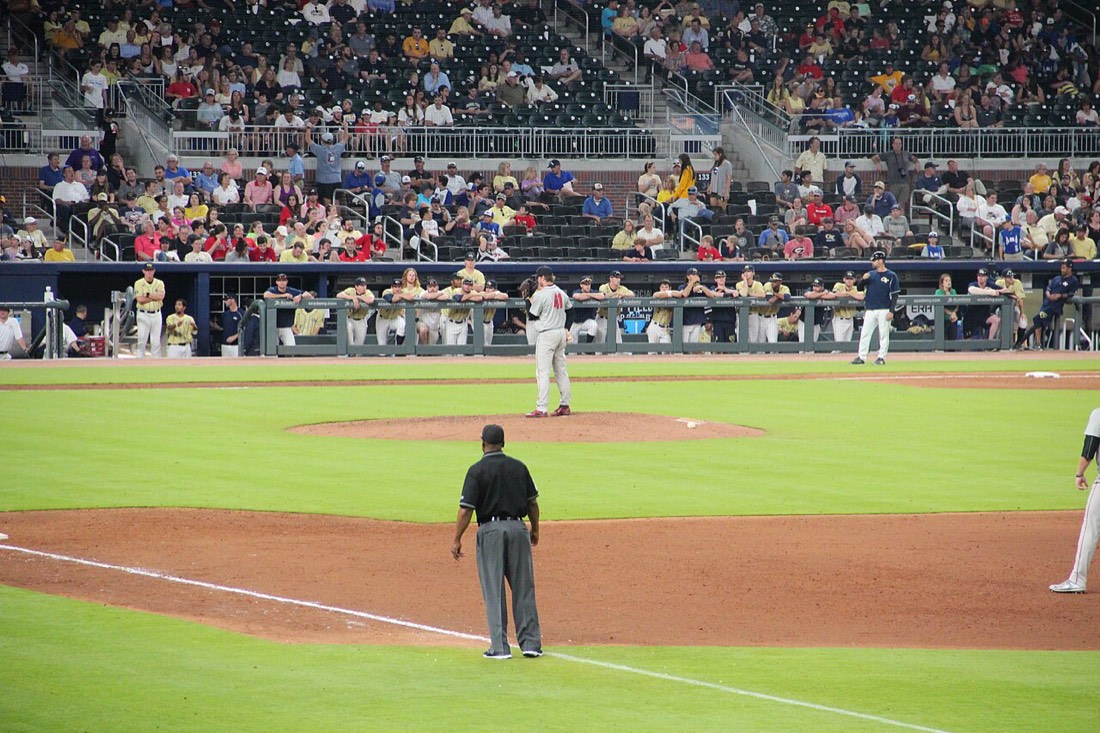
A quiet revolution in defensive alignment is unfolding across the Valley Division, and the batting averages tell the tale.
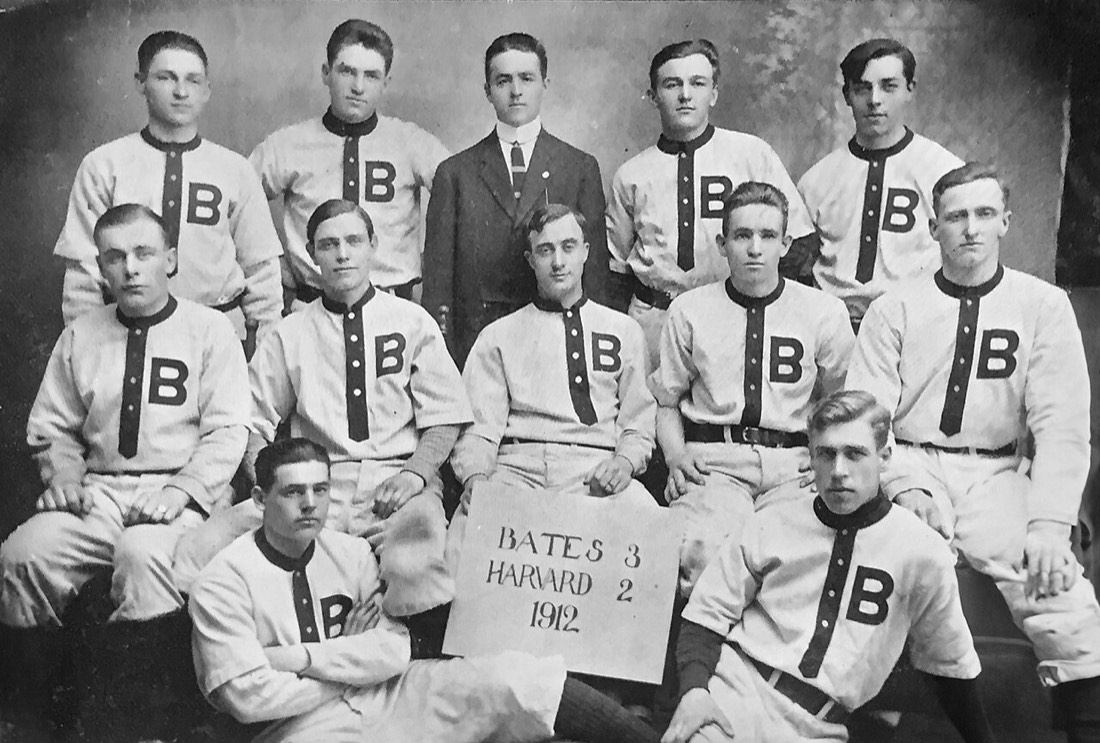
The switch from metal to wood compresses the margin for error at the plate, and the numbers reveal exactly how.
Comments
Be the first to comment on this story.