Analysis
Two Strikes, No Fear: The Stags' Contact Philosophy
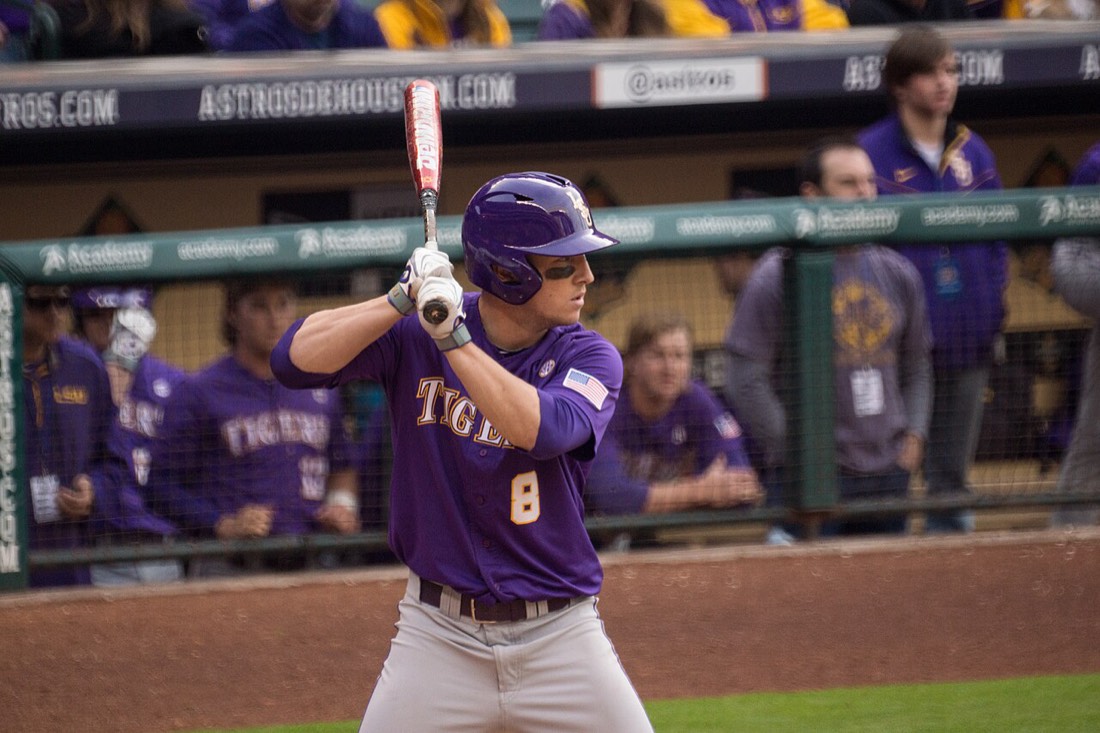
Stockton has built a lineup that refuses to strike out, and in a low-scoring league, that stubbornness is a competitive edge.
The switch from metal to wood compresses the margin for error at the plate, and the numbers reveal exactly how.
For collegiate players accustomed to the forgiving sweet spot of a metal bat, the transition to wood in a summer league like this one is often jarring. The adjustment shows up not only in the eye test but in the aggregate offensive numbers, which tell a consistent story across the circuit's seventeen-year history: wood suppresses offense in specific, predictable ways.
The most immediate effect is a drop in batting average on balls hit off the handle or the end of the bat. A metal bat produces useful exit velocity even on mishits, allowing bloop singles and seeing-eye grounders to fall. Wood punishes those same mishits, turning them into weak popups and routine groundouts. The result is a league-wide batting average that typically sits well below what the same hitters post during their spring collegiate seasons.
Power numbers tell the sharpest version of the story. Home run totals across the league run markedly lower than in metal-bat competition, and the gap between the league's power hitters and its contact hitters narrows considerably. A hitter who relied on bat speed and a generous barrel to clear fences in the spring must now square the ball up with far greater precision. Many cannot, and their slugging percentages fall accordingly.
This compression has strategic consequences that ripple through how clubs build their offenses. With the long ball harder to come by, the teams that thrive tend to be those that manufacture runs. The league's standings bear this out: the clubs near the top in runs scored are frequently not the clubs near the top in home runs, but rather those that lead in stolen bases, sacrifice bunts, and two-out hits with runners in scoring position.
The pitching side benefits accordingly. Pitchers who might struggle against metal bats find that wood rewards their approach. A well-located fastball on the hands, which a metal bat might muscle into the outfield, instead shatters the barrel and produces a harmless grounder. League earned run averages reflect this advantage, running lower than one would expect from the same arms in other settings.
For scouts and player-development staff, the wooden-bat environment serves a valuable purpose: it strips away the artificial inflation of metal and reveals which hitters can truly drive the ball. A player who continues to produce with wood is demonstrating a skill that translates to the next level, which is precisely why professional organizations pay close attention to summer-league performance.
The lesson for hitters is unforgiving but clear. Success with wood demands a shorter, more direct swing, a willingness to use the whole field, and the discipline to accept a single rather than chase a home run. The players who make that adjustment fastest tend to be the ones whose names climb the league leaderboards by August. The ones who cannot often spend the summer learning, the hard way, exactly how small the sweet spot really is.
Stockton has built a lineup that refuses to strike out, and in a low-scoring league, that stubbornness is a competitive edge.
With collegiate arms bound by strict workload caps, the league's contenders face a delicate math problem as October approaches.
San Luis Obispo has abandoned the traditional closer role, and the early returns suggest the experiment is working.
Comments
Be the first to comment on this story.