Analysis
Shifting Sands: How Valley Infields Are Rethinking Positioning
A quiet revolution in defensive alignment is unfolding across the Valley Division, and the batting averages tell the tale.
Fielding percentage lies, but range and positioning tell the truth about who prevents runs.
Defense is the most undervalued and least understood facet of summer collegiate baseball. Offense produces highlights and pitching produces strikeouts, but defense quietly decides a surprising share of games, and the tools most observers use to evaluate it are badly outdated. If we want to understand which GSCBL clubs are actually preventing runs with their gloves, we have to look past the number everyone reaches for first.
That number is fielding percentage, and it is nearly useless. Fielding percentage measures only whether a player cleanly handled the balls he reached. It says nothing about the balls he failed to reach, which is where the real value in defense lives. A shortstop with limited range who never leaves his feet will post a gleaming fielding percentage while surrendering dozens of hits that a rangier player would have converted into outs. The clean fielder looks better on paper and is worse on the field.
The metric that matters is range, the ability to convert batted balls in a player's zone into outs. Measuring range precisely requires batted-ball tracking that summer leagues rarely have, but it can be approximated by watching how much ground a defender covers and how many balls fall in around him. By that standard, the Monterey Bay Mariners have been the league's premier defensive club, not because they commit few errors but because their defenders reach balls other teams let drop.
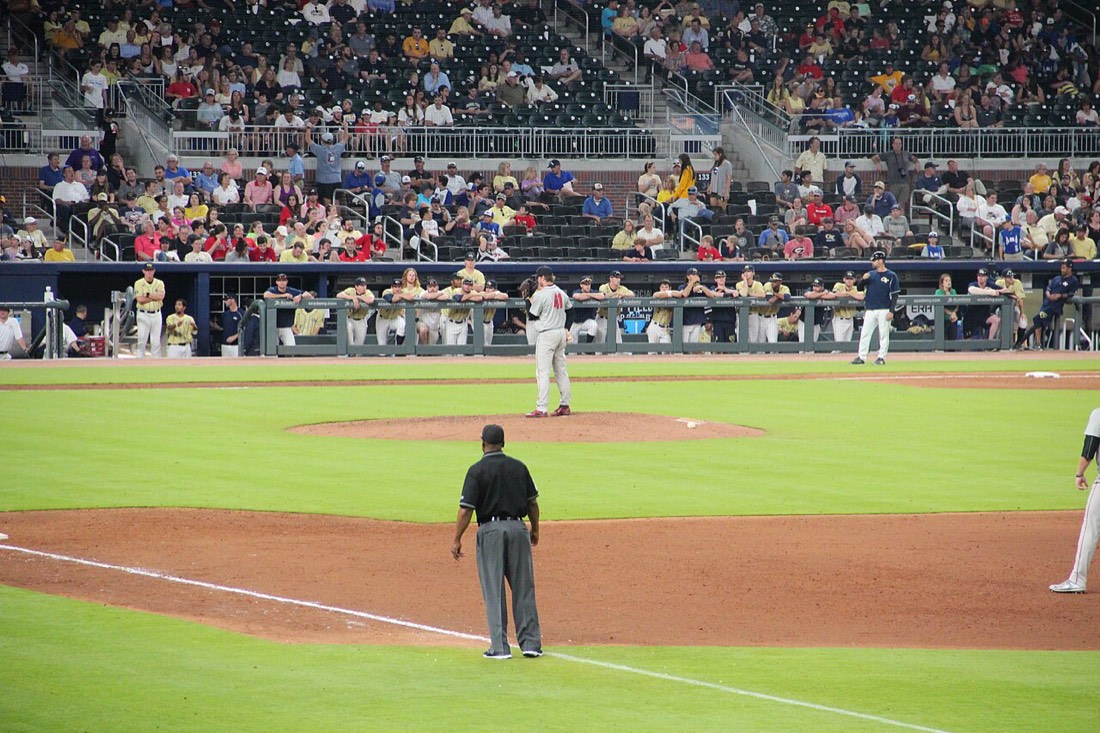
Positioning is the second hidden variable, and it may be the most teachable. Summer defenders cannot change their foot speed, but they can change where they stand. The clubs with coaching staffs that chart opponent tendencies and shift their fielders accordingly are converting outs that their raw athleticism alone would not earn. The Oakland Oaks have leaned into this, and their run prevention outpaces what their roster's individual skills would predict, which is the signature of smart positioning.
No defensive analysis is complete without the catcher, whose contributions are the hardest to quantify and among the most important. A catcher who frames borderline pitches into strikes effectively adds strikeouts to his pitchers' lines. One who controls the running game suppresses opponent aggression before it starts. One who blocks balls in the dirt prevents the passed balls and wild pitches that let runners advance in crucial moments. These contributions are invisible to fielding percentage and nearly invisible to casual observation, yet they swing games.
The broader lesson is that defensive value in summer ball is systematically mismeasured by the tools most people use. The teams that treat defense as a run-prevention system, rather than as an error-avoidance exercise, build a durable edge. They prioritize range over sure-handedness, they position intelligently, and they invest in catchers who do the quiet work that never makes a box score. Over a season, those choices add up to runs saved, and runs saved count exactly as much as runs scored. The clubs that understand this are winning games their offenses have no business winning, and the clubs that chase a pretty fielding percentage are losing games their defenses should have saved.
A quiet revolution in defensive alignment is unfolding across the Valley Division, and the batting averages tell the tale.
With collegiate arms bound by strict workload caps, the league's contenders face a delicate math problem as October approaches.

Stockton has built a lineup that refuses to strike out, and in a low-scoring league, that stubbornness is a competitive edge.
Comments
Be the first to comment on this story.