
Analysis
Two Strikes, No Fear: The Stags' Contact Philosophy
Stockton has built a lineup that refuses to strike out, and in a low-scoring league, that stubbornness is a competitive edge.
A quiet revolution in defensive alignment is unfolding across the Valley Division, and the batting averages tell the tale.
Watch a Valley Division game closely and you will notice something that would have looked foreign a decade ago: infielders drifting well off their traditional spots, clustering toward one side of the diamond or creeping onto the outfield grass. Defensive positioning, long governed by intuition and tradition, has become a deliberate tactical weapon across the division.
The shift, so to speak, has been driven by a growing body of spray-chart data that member clubs now compile on opposing hitters. By tracking where each batter tends to hit the ball, defensive coordinators can position fielders in the spots most likely to receive a batted ball, rather than in the geometrically symmetrical alignment that governed the game for generations.
The Fresno Foxes and Sacramento Sentinels have been the most aggressive adopters, and their infield defenses rank among the division's best by any measure of balls converted into outs. "We don't guess anymore," said Fresno infield coach Teodora Blanc. "We know where a guy hits the ball, so we stand where the ball is going. It sounds obvious, but the sport resisted it for a long time."
The approach is not without risk. A hitter who recognizes an aggressive alignment can attempt to go the other way, dropping a bunt or slapping a grounder into the vacated space. Several Valley hitters have begun doing exactly that, turning the chess match into a genuine contest of adjustments. Blanc views this as a feature rather than a flaw. "If we force a power hitter to bunt for a single, we've already won," she said. "That's not the at-bat he wanted."
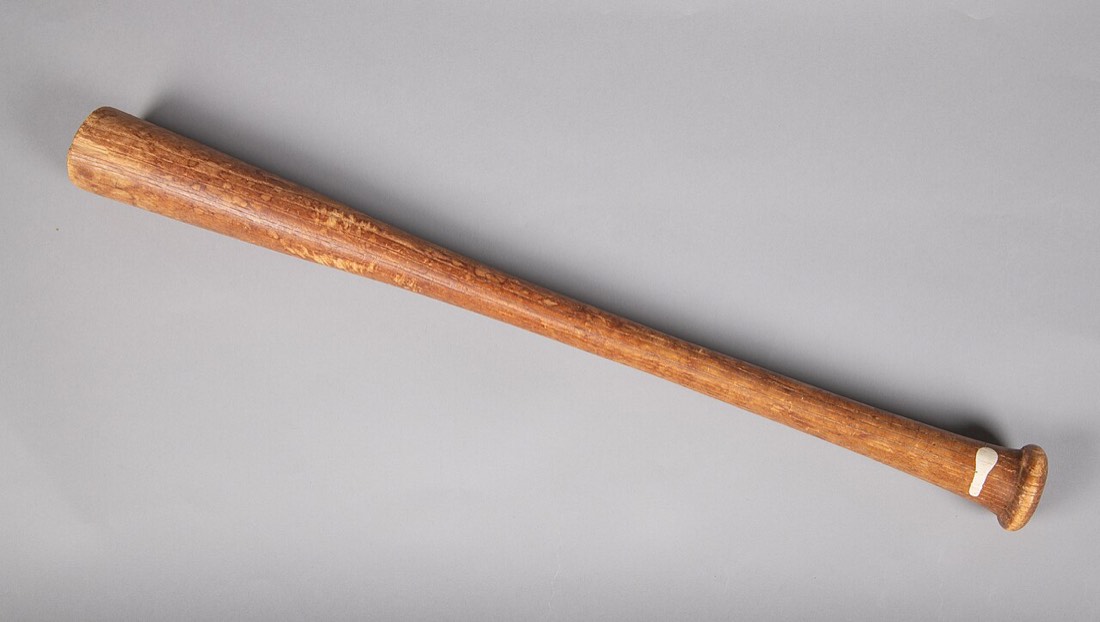
The wooden-bat environment amplifies the value of smart positioning. Because wood produces more weakly hit balls and fewer screaming line drives, a well-placed fielder converts a higher share of batted balls into outs than he would against metal. The margins that positioning exploits are precisely the margins that wood creates.
Not every club has embraced the trend. Some managers, particularly those with strong traditionalist instincts, remain skeptical that summer-league data samples are large enough to justify dramatic realignment. They argue that a few dozen batted balls tell you little about a hitter's true tendencies, and that athletic fielders in standard positions can cover enough ground to render the whole exercise marginal.
The debate is unlikely to be settled this summer. But the clubs that have committed to data-driven positioning are, for now, posting the better defensive numbers, and in a league where runs come at a premium, every extra out matters. As Blanc put it, "We're not trying to reinvent baseball. We're just trying to stand in the right place. Turns out that's worth more than people thought."
Stockton has built a lineup that refuses to strike out, and in a low-scoring league, that stubbornness is a competitive edge.
Fresno's rotation surrendered just six runs across the series as the Foxes vaulted into first place in the Valley Division.

Fielding percentage lies, but range and positioning tell the truth about who prevents runs.
Comments
Be the first to comment on this story.