Analysis
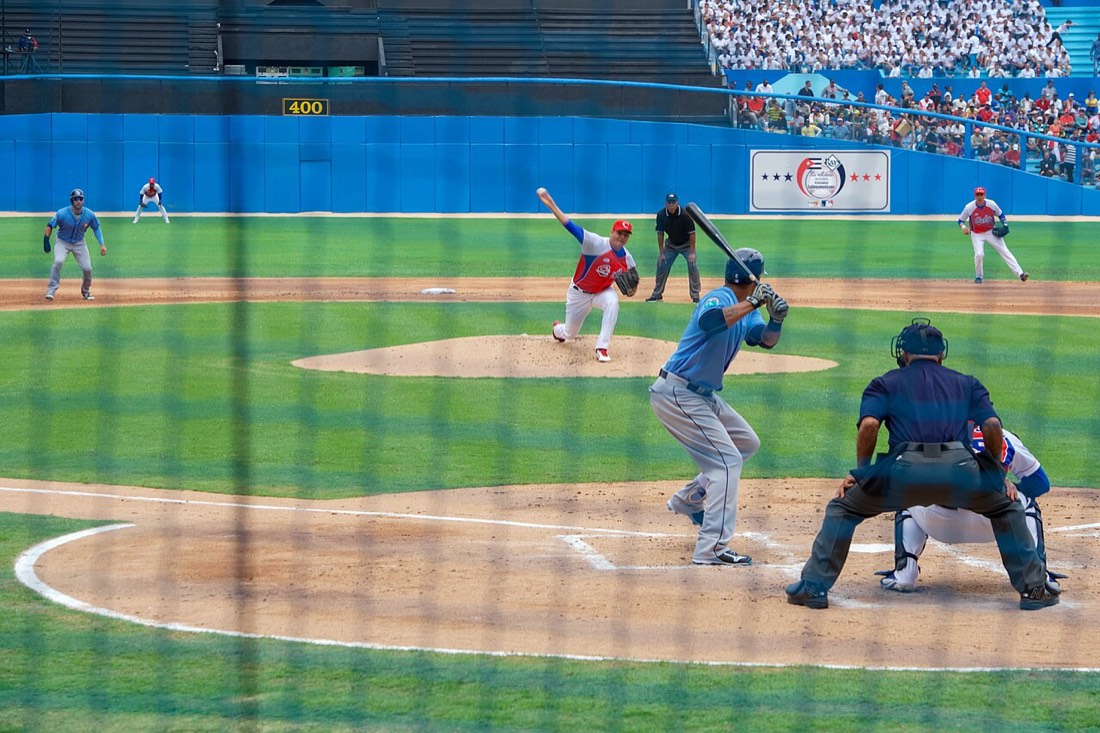
Repertoire Breakdown: How a Changeup Artist Dominates Without Velocity
A Monterey Bay starter proves that deception and sequencing beat raw speed in summer ball.
With collegiate arms bound by strict workload caps, the league's contenders face a delicate math problem as October approaches.
As the expanded postseason approaches, the league's contending clubs confront a challenge unique to summer collegiate baseball: how to navigate a playoff run while honoring the strict innings limits that bind nearly every pitcher on their rosters. It is a puzzle with no clean solution, and the clubs that solve it best may well lift the championship trophy.
Unlike professional teams, summer-league clubs borrow their players from collegiate programs, and those programs impose firm caps on how many innings a pitcher may throw across the year. A starter who logged a heavy load in the spring arrives with little margin left for a long summer and a demanding postseason. Managers must therefore ration their most valuable arms across a schedule that offers no guarantees.
The math grows especially delicate under the new six-team format, which adds a wild-card round and extends the championship to a best-of-three series. A club that reaches the final could ask its pitching staff to cover considerably more postseason innings than in years past, all while staying beneath caps set by institutions with no stake in the summer-league title.
The contenders have adopted divergent strategies. Some, like the Monterey Bay Mariners, spent the final weeks of the regular season deliberately limiting their top starters, accepting a few losses in order to bank innings for October. Others have leaned on deep, flexible bullpens built to absorb the postseason load in shorter bursts, spreading the work across many arms rather than concentrating it in a handful.
"You can't win a championship with a tired ace who's bumping his limit," said one contending manager who requested anonymity to avoid tipping his hand. "The teams that advance will be the ones who planned for this back in July, not the ones scrambling in September."
The approach carries real tension. Resting a star pitcher down the stretch can cost a club seeding or even a playoff berth, and no manager wants to explain to a locker room why the team eased off the throttle in a pennant race. Yet pushing an arm past prudent limits risks both the pitcher's health and the club's postseason viability if that arm has nothing left when it matters most.
The league's published innings-cap guidance, introduced alongside the new format, has given managers a clearer framework, but it has not made the decisions any easier. The fundamental constraint remains: a finite number of innings, a lengthening postseason, and a roster of young arms whose long-term health matters more than any single summer title. The clubs that treat the regular season's final weeks as a planning exercise, rather than a sprint, will enter October with the deepest and freshest staffs. In a tournament likely decided by pitching, that foresight may prove to be the sharpest edge of all.
A Monterey Bay starter proves that deception and sequencing beat raw speed in summer ball.
A walk-on reliever making his first start retired every batter he faced on a foggy July night, and then he more or less disappeared.

Stockton has built a lineup that refuses to strike out, and in a low-scoring league, that stubbornness is a competitive edge.
Comments
Be the first to comment on this story.