Feature
The Room at the End of the Hall
One Ventura family has housed a summer ballplayer every year for a decade, and the goodbyes never get easier.
For one Stockton player, every home game is a reunion with the neighborhood that raised him.
When the Stockton Stags take the field for a home game, there is one player whose name draws a slightly different cheer, a little louder and a little more personal, from a particular cluster of seats behind the first-base dugout. The cluster is always full of the same faces. They are his neighbors, the people from the streets where he grew up, and he is their boy.
He is the rare thing in summer collegiate baseball, a local playing locally. Most players in the Golden State Collegiate Baseball League are imports, shipped in from distant schools for a summer and shipped out again. He grew up a few miles from the Stags' ballpark, learned the game on its scruffy youth fields, and dreamed, in the specific way of hometown kids, of one day wearing the colors of the team he watched as a child.
There is a pressure to it that the imported players never feel. When he comes to the plate, he is not performing for scouts and strangers. He is performing for his third-grade teacher, who comes to every game. For the man who ran the corner store where he bought baseball cards. For the youth coach who first put a bat in his hands and who now sits in the stands narrating every at-bat to anyone who will listen.
A strikeout at home is a different kind of strikeout. He feels it in the neighborhood for days afterward, in the gentle ribbing at the grocery store, in the way the little kids on his street look slightly deflated. A home run, conversely, is a neighborhood event. The cheer that goes up from behind the first-base dugout is not the cheer of fans. It is the cheer of family.
He has become, without entirely choosing it, a symbol. The younger kids in the neighborhood follow him around. Parents point him out as proof that the path exists, that a kid from these streets can make it to a real team, can be cheered by name, can matter. The responsibility sits heavily on shoulders that are, after all, only twenty years old.
He handles it with a grace that surprises people who expect a hometown hero to be either arrogant or overwhelmed. He runs a free weekend clinic for the neighborhood kids whenever his schedule allows, not for publicity but because someone did the same for him once. He signs every scrap of paper the children shove at him. He remembers names, which in a neighborhood is the highest form of respect.
The coaches appreciate what he gives the Stags on the field, a reliable bat and a steady glove, but they understand that his real value is harder to measure. He connects the team to the town in a way no import ever could. When he plays well, the whole neighborhood feels a little more like it belongs to the ballpark, and the ballpark a little more like it belongs to them.
He knows his time with the Stags is finite, that the summers will run out and the game may eventually carry him somewhere far from the streets that raised him. He thinks about that sometimes, the possibility of becoming an import himself in some distant town, cheered by strangers instead of family. For now, though, he gets to be the kid from down the street, playing in front of the people who taught him to play, and he does not take a single home game for granted. The cheer behind the first-base dugout will not last forever. While it lasts, it is the sweetest sound he knows.
One Ventura family has housed a summer ballplayer every year for a decade, and the goodbyes never get easier.
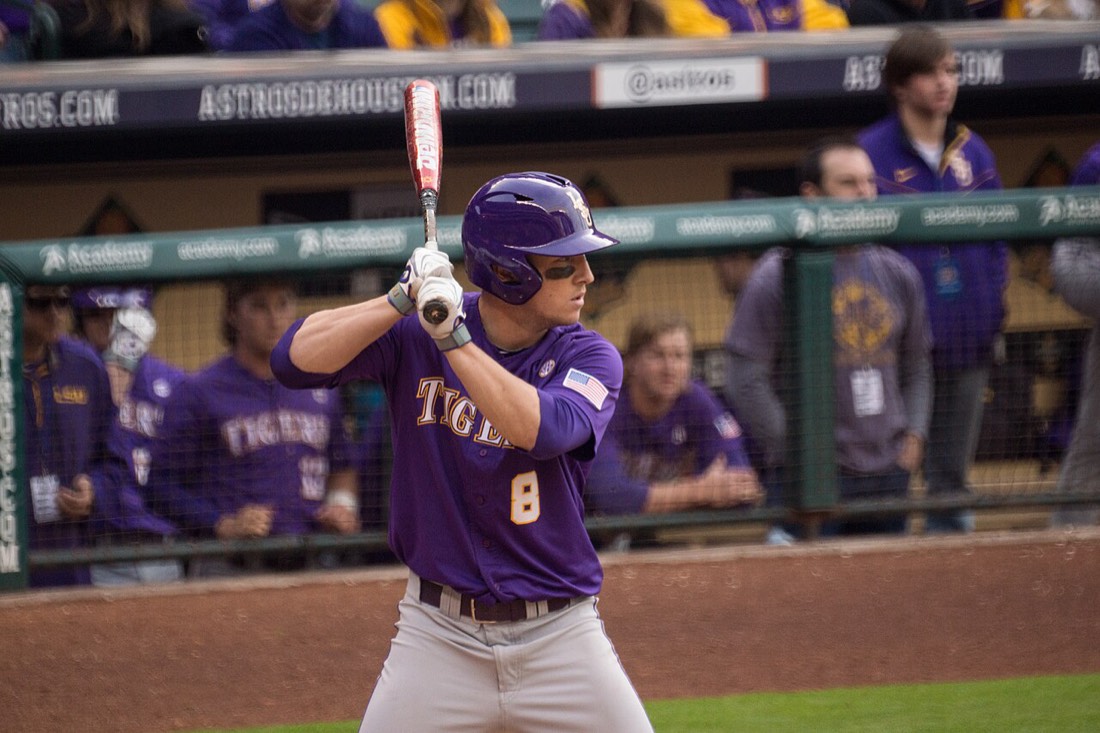
Stockton has built a lineup that refuses to strike out, and in a low-scoring league, that stubbornness is a competitive edge.
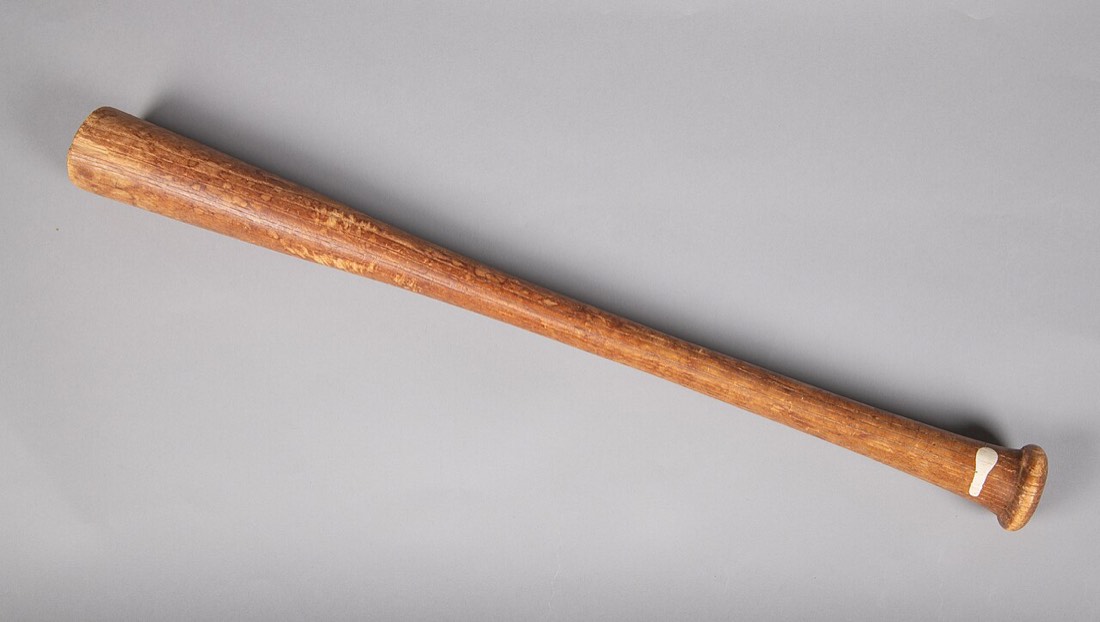
A Bakersfield outfielder plays with the same family glove his grandfather oiled and his father wore, and the leather carries them all.
Comments
Be the first to comment on this story.