Feature
The Kid From Down the Street
For one Stockton player, every home game is a reunion with the neighborhood that raised him.
One Ventura family has housed a summer ballplayer every year for a decade, and the goodbyes never get easier.
There is a bedroom at the end of the hall in a modest house a few miles from where the Ventura Vaqueros play, and for most of the year it sits empty with the door open. The bed is made. A small desk faces the window. On the wall hangs a corkboard crowded with photographs, ten summers' worth of young men in Vaqueros caps, each one grinning as if he never intended to leave.
The family who owns the house has hosted a player every season for a decade. They are not wealthy, and the stipend the league provides barely covers the extra groceries a hungry twenty-year-old athlete requires. They do it, the mother explains, because the first summer changed them, and they have been chasing that change ever since.
Their first player arrived a decade ago, a quiet infielder from a cold northern state who had never seen the Pacific. He was homesick and polite and ate almost nothing for the first week, afraid of imposing. The family did what families do. They waited. By July he was raiding the refrigerator at midnight and calling the parents by their first names and teaching their youngest kid how to turn a double play in the backyard.
When he left in August, the house felt wrong for days. The mother found herself setting an extra place at dinner out of habit. The youngest child asked, with the brutal directness of a seven-year-old, whether the player was ever coming back. The honest answer was almost certainly not, and that was the first of ten goodbyes that would never quite stop hurting.
They have hosted all kinds since. A pitcher who prayed before every meal. An outfielder who could not cook a single thing and left by season's end able to make three dishes, all of them involving eggs. A catcher who talked constantly and a shortstop who barely spoke and, somehow, the shortstop is the one who still calls every Thanksgiving.
The corkboard tells the story in faces. The family can narrate each summer by the player who lived through it, the way other people measure time by jobs or moves or the ages of their children. "That was the year of the tall lefty," the father says, pointing. "That was the summer the twins were born, and he held them in the hospital."
Not every season is easy. There have been players who kept to themselves, who treated the house as a hotel, who left without a backward glance. The family has learned not to take it personally. These are young men on the edge of their lives, consumed by the game and by everything the game might still give them. The house is a waystation. It was always going to be.
But most of them come back, if not in person then in the small ways that matter. A wedding invitation. A text from a minor league bus. A phone call years later from someone whose voice has deepened past recognition, asking whether the room is still there. It always is.
The mother admits the goodbyes have gotten harder, not easier, with practice. You would think a decade of loss would build a callus. Instead it has done the opposite. Each departure now carries the weight of all the departures before it, the whole corkboard leaving at once. On the final morning of each summer she makes a big breakfast, hugs a young man she has known for ten weeks and will miss for a lifetime, and watches him drive away.
Then she goes back inside, climbs the stairs, and remakes the bed in the room at the end of the hall. She leaves the door open. In a few months there will be another name, another face for the corkboard, another son to lose. She would not trade a single goodbye. That, she will tell you, is the whole strange gift of it.
For one Stockton player, every home game is a reunion with the neighborhood that raised him.

Twins Mateo and Diego Reyna grew up sharing a backyard diamond; this summer they share only a last name and a fierce competitive streak.
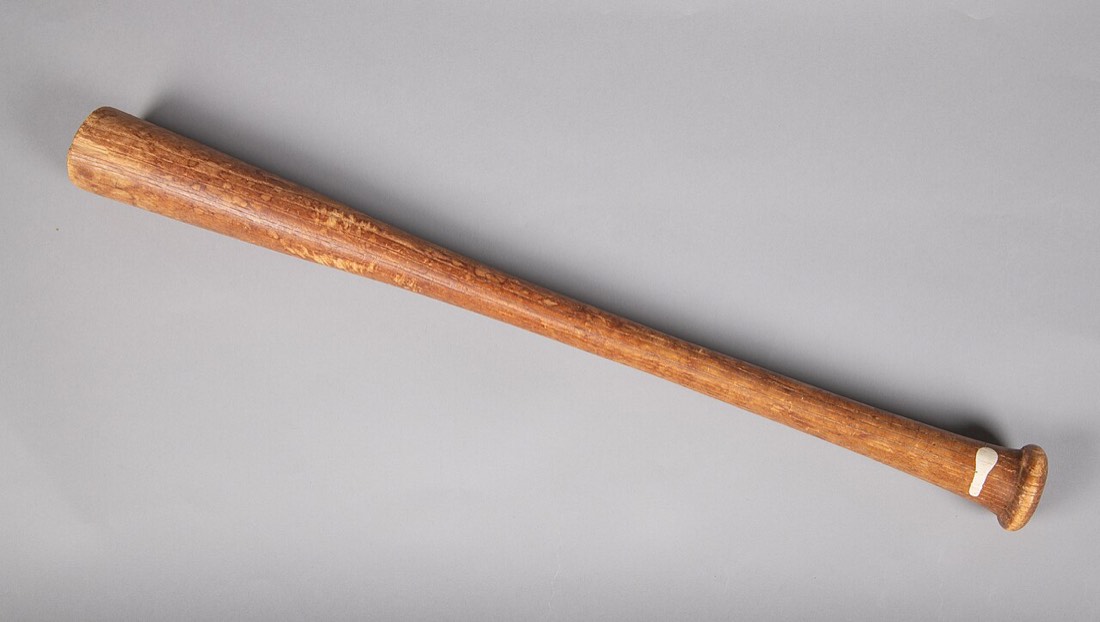
A Bakersfield outfielder plays with the same family glove his grandfather oiled and his father wore, and the leather carries them all.
Comments
Be the first to comment on this story.