Analysis
The Surf's Bullpen Gamble: Rethinking High-Leverage Innings
San Luis Obispo has abandoned the traditional closer role, and the early returns suggest the experiment is working.
The old debate takes on new life in a league where defense is shaky and power is scarce.
The debate between small ball and power baseball is as old as the game, and in the professional ranks the analytics revolution has mostly settled it in favor of power. Outs are precious, the reasoning goes, and strategies that trade outs for bases, the bunt, the hit-and-run, the aggressive steal, usually cost more than they return when weighed against the run expectancy of simply swinging away. That conclusion is sound in the big leagues. In summer collegiate ball, the calculation shifts, and the shift is worth understanding.
The professional case against small ball rests on a few assumptions: that defenses reliably convert batted balls into outs, that power is abundant enough to make the big inning the default path to scoring, and that giving away outs via bunts is therefore wasteful. Every one of those assumptions weakens in the summer game, and when the assumptions change, so should the conclusion.
Power is simply scarcer and more volatile in summer ball. Wood bats, varying ballpark dimensions, and the developmental state of young hitters mean that home runs come less frequently and less predictably than in the aluminum-bat amateur game or the professional ranks. A team that stakes its offense on the three-run homer is betting on an outcome that may not arrive for days at a time. When the power goes quiet, a one-dimensional slugging offense simply stops scoring, and in a league of tight, low-scoring games, that drought is fatal.
Meanwhile, the case for manufacturing runs strengthens because summer defense is unreliable. A well-placed bunt is not merely a sacrifice; against a defense prone to errors and miscommunication, it is a live threat to reach base and a pressure play that can induce a throwing error. A hit-and-run that would be marginal against a sharp professional defense becomes genuinely valuable against defenders who misread the play. The outs that small ball spends are cheaper here, because the alternative, waiting for power that may never come, is itself costly.
The smartest clubs in the league have not chosen a side; they have fit the approach to the moment. The Sacramento Sentinels manufacture runs when power is unavailable and swing freely when a hittable pitch arrives. The Long Beach Lumber lean on patience and pressure but will not bunt away an out when a big inning is developing. The teams that dogmatically commit to one philosophy, all small ball or all power, are the ones that struggle, because baseball does not reward dogma. It rewards reading the situation.
The correct answer, then, is not small ball or power but the discipline to deploy each when the moment calls for it. With a runner on second and nobody out in a one-run game against a shaky defense, moving the runner over is sound. With a slugger at the plate and the bases empty, letting him swing is sound. The teams that win in summer ball are the ones whose managers understand that the professional analytics are a starting point, not a commandment, and that the specific conditions of this league, scarce power and shaky gloves, tilt the math back toward manufacturing runs more than the modern game would suggest. Flexibility beats dogma, and context beats ideology, every single time.
San Luis Obispo has abandoned the traditional closer role, and the early returns suggest the experiment is working.
The decisions made after the seventh inning separate the sharp managers from the rest.
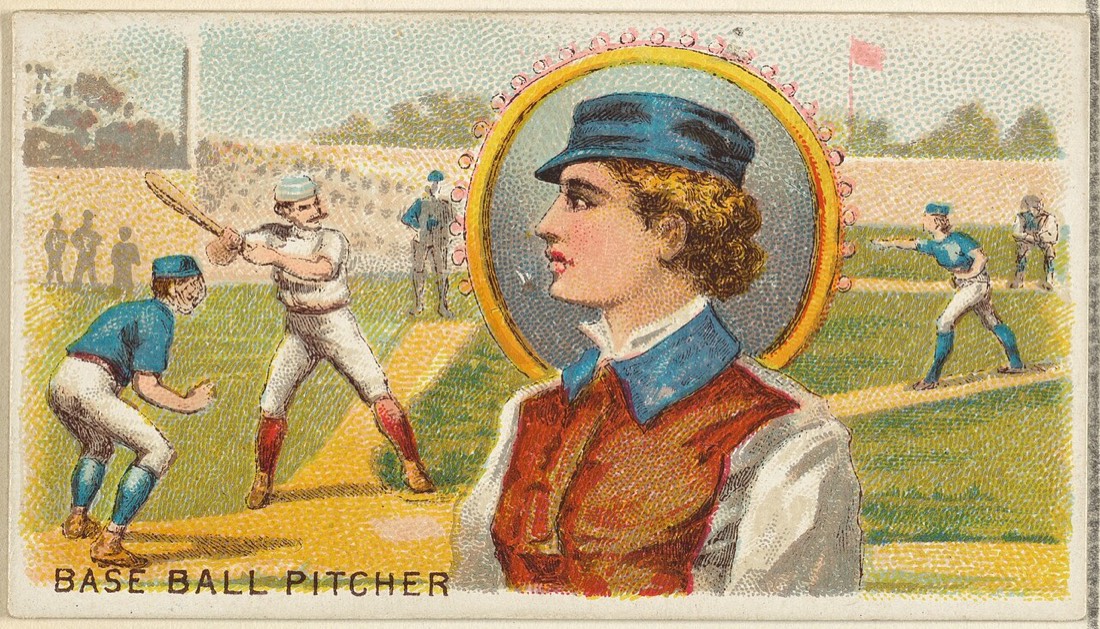
A disciplined, situational lineup is outscoring flashier rivals by refusing to beat itself.
Comments
Be the first to comment on this story.