Analysis
The Surf's Bullpen Gamble: Rethinking High-Leverage Innings
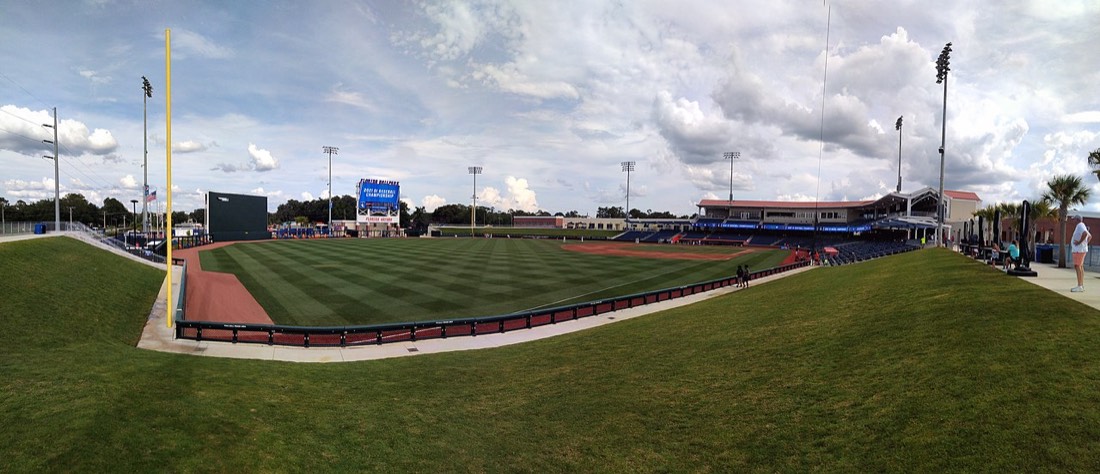
San Luis Obispo has abandoned the traditional closer role, and the early returns suggest the experiment is working.
The decisions made after the seventh inning separate the sharp managers from the rest.
Baseball games are played for nine innings, but they are frequently decided in the last two or three, and the quality of a manager's late-inning decisions is one of the few places where in-game strategy demonstrably moves the needle. In a close game, every choice compounds: the reliever summoned, the pinch-hitter deployed, the runner sent or held, the matchup sought or avoided. In the Golden State Collegiate Baseball League, where bullpens are shallow and benches are short, these decisions carry even more weight than they do in the professional game.
The foundational concept of late-inning management is leverage, the idea that not all game situations are created equal. A tie game in the eighth with a runner on second is a high-leverage moment where a single decision can swing the probability of winning by a large margin. A six-run lead in the ninth is low-leverage, where almost no decision matters. The sharp manager allocates his best resources, his top reliever, his best pinch-hitter, to the high-leverage moments and refuses to waste them when the game is effectively decided.
The single most consequential late-inning decision is when to deploy the bullpen's best arm. Many managers default to saving that arm for the ninth, the traditional closer's inning. But the highest-leverage moment of a game often arrives earlier, when the heart of the opponent's order comes up with runners on in the seventh or eighth. A manager who reflexively holds his best reliever for a clean ninth may watch the game slip away in the eighth against a lesser arm. The Oakland Oaks have built a reputation for ignoring the traditional ninth-inning dogma and spending their best reliever when the leverage peaks, and their record in close games reflects the wisdom of it.
Matchups are the second lever. A manager who can create a favorable matchup, a reliever whose stuff plays well against the specific hitters due up, gains a real edge. But chasing matchups has a cost in a shallow summer bullpen, because every pitching change burns an arm that may be needed tomorrow. The best managers weigh the immediate matchup advantage against the longer cost to their staff, a calculation that the compressed summer schedule makes especially delicate.
On offense, late-inning strategy revolves around the bench and the base paths. A pinch-hitter deployed at the right moment, a platoon advantage sought against a tiring reliever, can be the difference in a one-run game. But a short summer bench means a manager who empties it early may have nothing left if the game goes extra innings. Timing is everything, and the manager who spends his bench too eagerly can find himself helpless in the twelfth.
Base-running decisions sharpen late as well. Sending a runner on a close play with two outs in a tie game is a calculated gamble; the reward of the run must be weighed against the catastrophe of making the final out at the plate. The best managers make these calls based on the game state, the score, the inning, the hitters due up, rather than on instinct or habit.
What separates the league's sharpest managers from the rest is not that they always make the right call, because no one does. It is that they make decisions grounded in leverage and probability rather than tradition and gut. The manager who understands when a moment is high-leverage and deploys his resources accordingly will, over a season of close games, win a handful he had no statistical right to. In a league where so many games are decided by a single run, that handful is often the difference between playing in August and going home.
San Luis Obispo has abandoned the traditional closer role, and the early returns suggest the experiment is working.
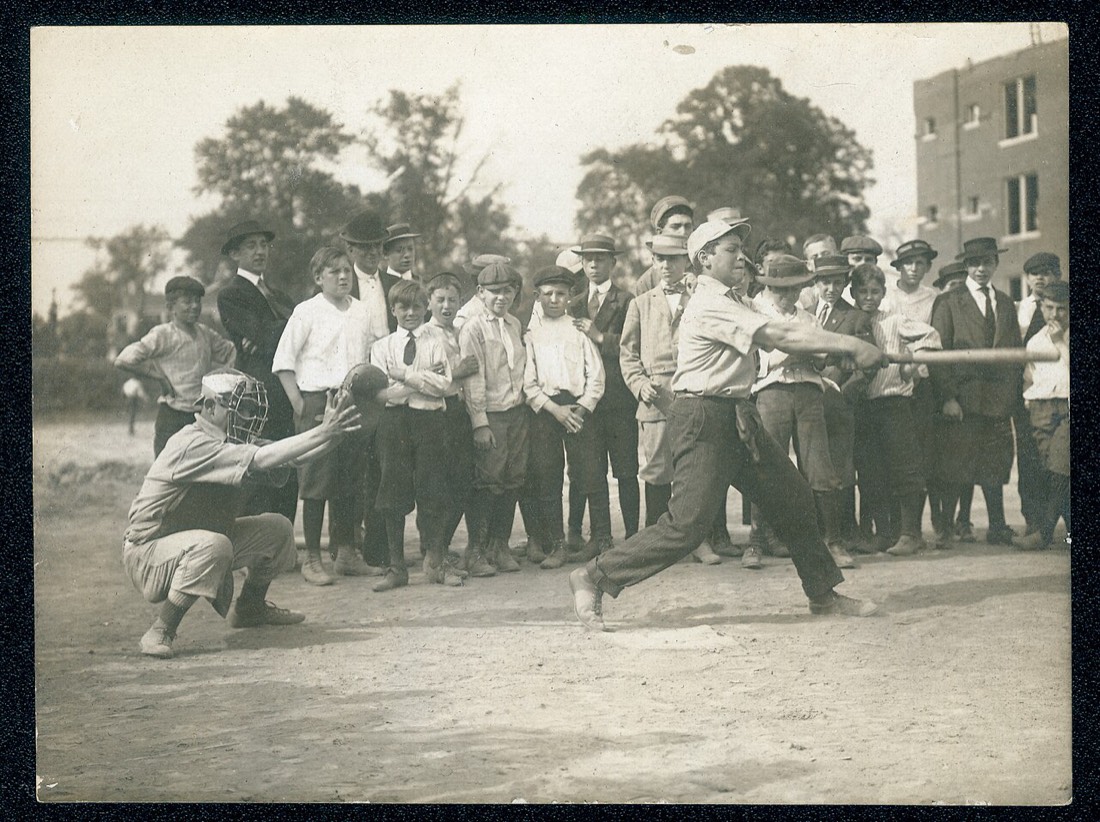
Workload caps and borrowed pitchers are reshaping how relievers get used across the league.
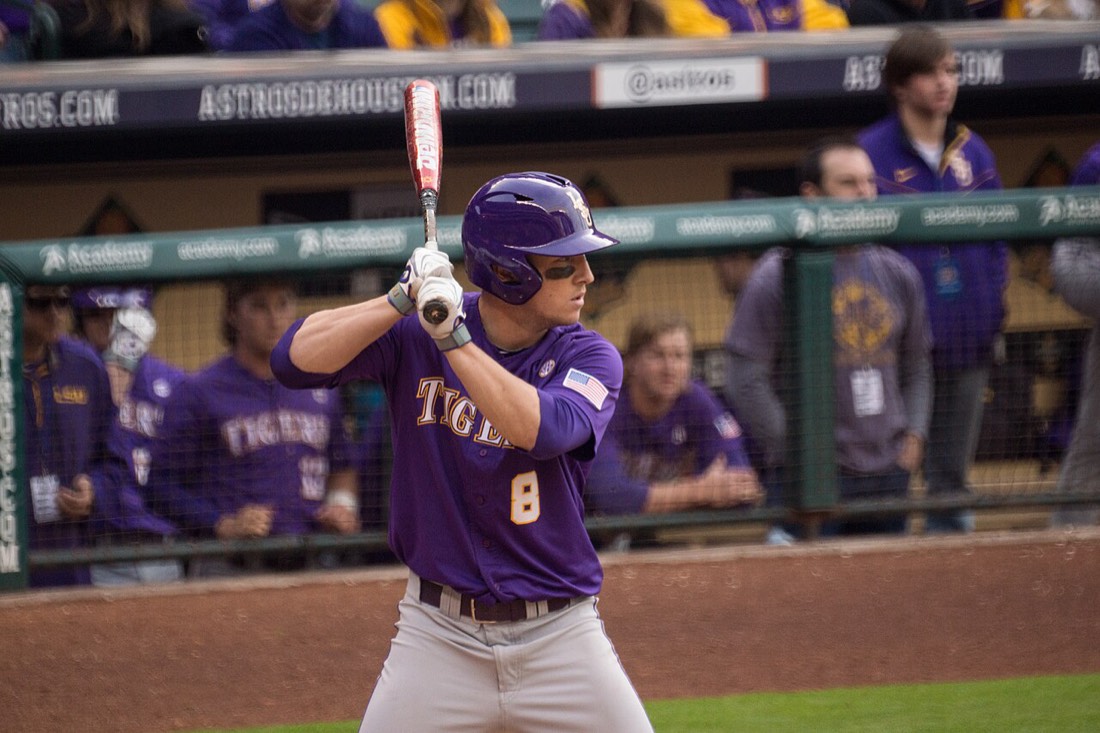
The old debate takes on new life in a league where defense is shaky and power is scarce.
Comments
Be the first to comment on this story.