
Analysis
Two Strikes, No Fear: The Stags' Contact Philosophy
Stockton has built a lineup that refuses to strike out, and in a low-scoring league, that stubbornness is a competitive edge.
A clear-eyed look at the forces separating contenders from pretenders across both divisions this summer.
Every summer collegiate season tells two stories at once: the one the standings show and the one the underlying numbers whisper. In the Golden State Collegiate Baseball League this year, those two stories have mostly agreed in the Coast Division and frequently disagreed in the Valley. Understanding why requires looking past win totals and into the mechanics of how these rosters were assembled and deployed.
The Coast has been defined by continuity. The Monterey Bay Mariners and Santa Cruz Seals both returned a critical mass of arms from the previous summer, and that familiarity has shown up in the places you would expect. Pitchers who already understood their coaches' tendencies needed fewer appearances to settle in, and the result has been a Coast race decided largely by run prevention rather than offensive fireworks.
What separates the top of the Coast is not the ability to score five runs on a given night, which nearly everyone can do, but the ability to hold an opponent to three. The Mariners have leaned on a deep rotation that routinely hands the ball to relievers with leads intact, while the San Luis Obispo Surf have survived despite thinner starting pitching by playing crisp, mistake-free defense. The Ventura Vaqueros, by contrast, have watched a promising start erode because their bullpen cannot protect the margins the lineup builds.
The lesson of the Coast is an old one: in a compressed summer schedule where arms are borrowed from a dozen college programs and workloads are capped, the team that prevents the fewest self-inflicted wounds tends to finish on top. The Mariners have simply made fewer mistakes with runners on base, and over sixty-odd games that discipline compounds into a comfortable cushion.
The Valley has been a different animal entirely. The Fresno Foxes jumped to an early lead on the strength of a torrid offensive stretch that no reasonable projection expected to continue, and it has not. The Sacramento Sentinels, meanwhile, have quietly accumulated wins through a more sustainable formula built on contact hitting and aggressive base running that manufactures runs when the long ball goes quiet.
The interesting case is the Stockton Stags, who by run differential look like one of the better teams in the entire league yet sit in the middle of the Valley standings. That gap between differential and record usually signals bad luck in one-run games, and the Stags have indeed lost a disproportionate share of close contests. If the season were twice as long, regression would likely lift them. It is not, and so they may run out of calendar before the math catches up.
The Modesto Miners and Bakersfield Bandits round out a Valley that has been top-heavy only in illusion. Both clubs have shown flashes, but neither has solved the core problem that afflicts most summer rosters: finding four or five reliable arms willing and able to carry a meaningful innings load without breaking down in August.
As the season enters its final third, the Coast looks increasingly settled while the Valley remains a coin flip. The Sentinels' steadier profile makes them the safer bet to emerge, but the Stags' differential is a warning to anyone writing them off. The teams that understand their own identity, and refuse to chase a style that does not fit their personnel, are the ones still standing when the bracket is set.
Stockton has built a lineup that refuses to strike out, and in a low-scoring league, that stubbornness is a competitive edge.
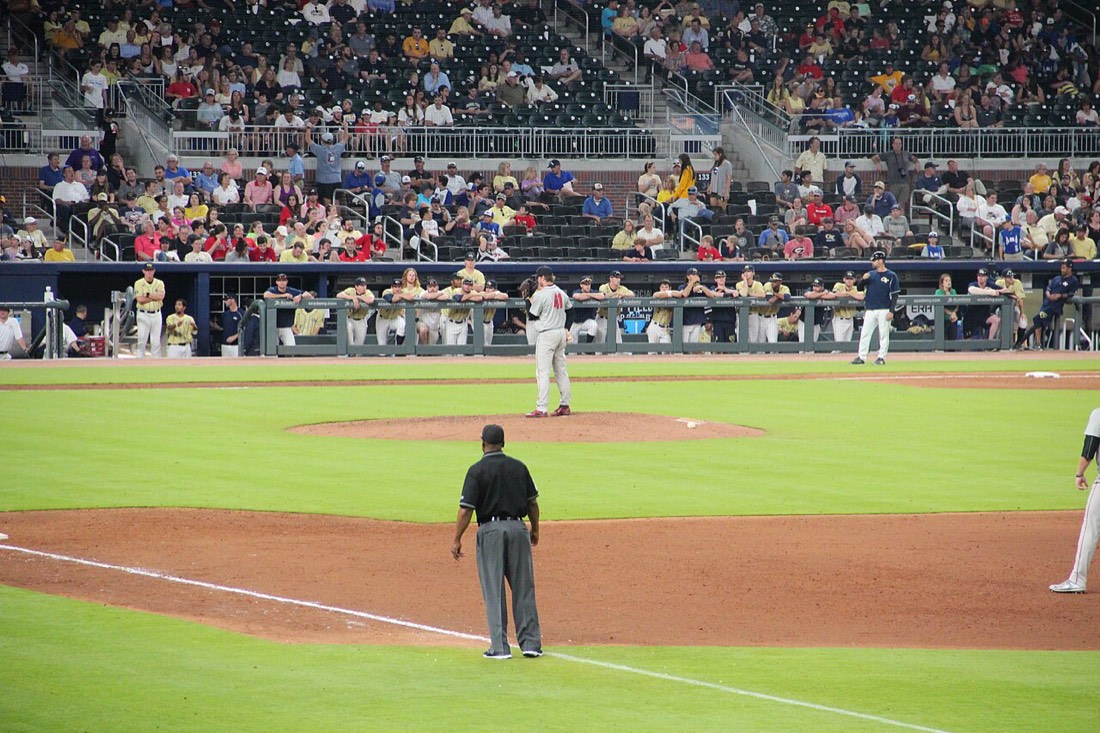
A quiet revolution in defensive alignment is unfolding across the Valley Division, and the batting averages tell the tale.
Run differential and remaining schedule point to a few clubs poised to rise and fall.
Comments
Be the first to comment on this story.