Analysis
The Surf's Bullpen Gamble: Rethinking High-Leverage Innings
San Luis Obispo has abandoned the traditional closer role, and the early returns suggest the experiment is working.
Stolen bases and extra bases can win games, but only when the math is respected.
Few topics in baseball generate more disagreement than base-running aggressiveness. The traditionalist sees a stolen base as a weapon; the analyst sees a caught stealing as a rally killer. Both are right, and the truth, as usual, lives in the specific conditions of the league being played. In the Golden State Collegiate Baseball League, those conditions tilt the calculus toward aggression more than they would in professional ball, but not without important caveats.
The central fact of summer defense is that it is inconsistent. Catchers vary wildly in arm strength and pop time, pitchers are often indifferent to holding runners, and middle infielders may be covering unfamiliar ground. In that environment, the break-even success rate for a stolen base, the point at which attempting it stops helping and starts hurting, is lower than it would be against polished professional batteries. A runner who can succeed seventy percent of the time is adding value in the GSCBL, where the same runner might be a net negative against big-league defenders.
The best base-running teams in the league have internalized this. The Santa Cruz Seals, in particular, run based on a careful read of each opponent's battery rather than a blanket philosophy. Against a catcher with a weak arm or a pitcher with a slow delivery, they turn aggressive and take everything available. Against a quick-twitch catcher, they hold. That situational discipline is what separates smart aggression from reckless aggression.
The reward extends beyond the stolen base itself. Aggressive base running pressures the entire defense. A runner taking a large lead forces pickoff attempts that occasionally sail into right field. A runner going first-to-third on a single forces a throw that lets the batter advance. These secondary effects, the errors and advancements that aggression induces, are often more valuable than the steals themselves, and they rarely show up in a simple stolen-base count.
But the risk is real and must be respected. The Bakersfield Bandits have run themselves out of more innings than any team in the league, making outs on the bases at crucial moments and surrendering the extra-base potential their hitters earned. A caught stealing with your best hitter at the plate does not just cost an out; it costs the plate appearance that out would have enabled. In a close game, that is often the difference.
The analytical principle is straightforward even if the execution is hard. Base-running aggression should be a function of three variables: the specific defense being faced, the game situation, and the identity of the hitters due up. Running wild with a slugger at the plate and a one-run deficit is malpractice; stealing second with a weak hitter up and a contact hitter on deck is sound. The teams that treat base running as a context-dependent decision rather than a fixed personality trait are the ones who extract value from it. The teams that run on instinct alone are the ones who hand their opponents free outs. In summer ball, where defenses invite aggression, the invitation is real, but so is the trap.
San Luis Obispo has abandoned the traditional closer role, and the early returns suggest the experiment is working.

The decisions made after the seventh inning separate the sharp managers from the rest.
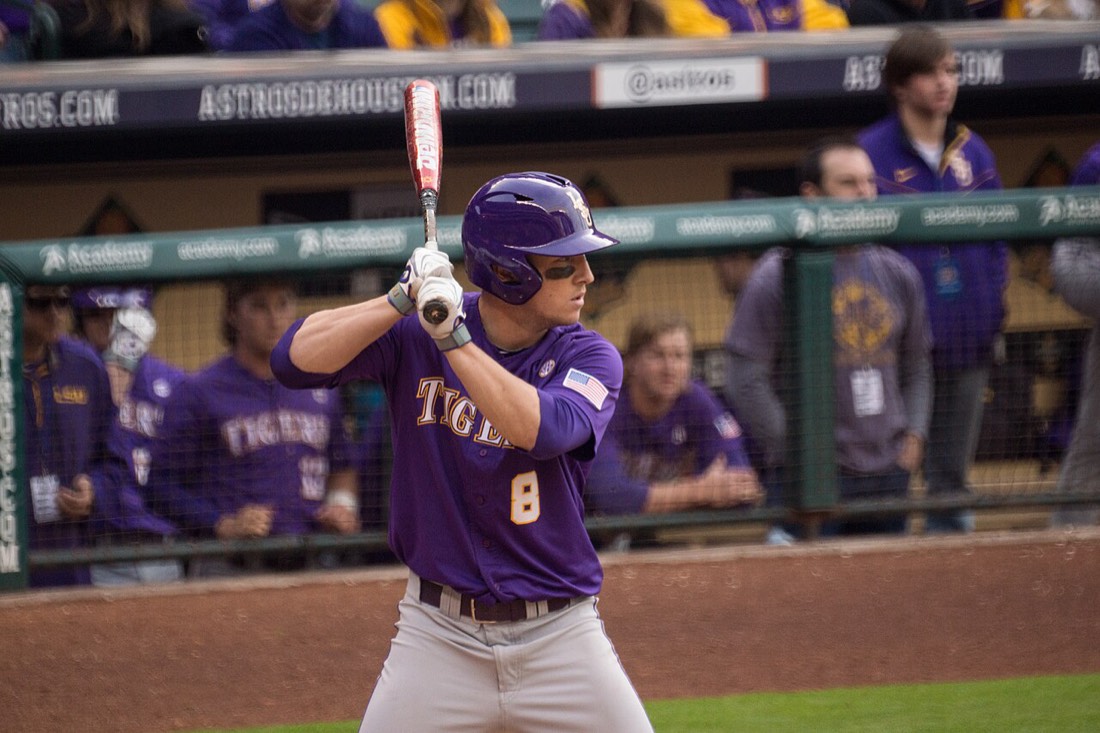
The old debate takes on new life in a league where defense is shaky and power is scarce.
Comments
Be the first to comment on this story.