
Analysis
The Innings-Limit Puzzle: Managing Pitching Into the Postseason
With collegiate arms bound by strict workload caps, the league's contenders face a delicate math problem as October approaches.
A walk-on reliever making his first start retired every batter he faced on a foggy July night, and then he more or less disappeared.
The strangest thing about the only perfect game in Golden State Collegiate League history is that almost nobody expected the man who threw it to last five innings, let alone twenty-seven outs. He was a walk-on reliever for the Monterey Bay Mariners, a soft-tossing right-hander who had spent most of that summer in the bullpen mopping up blowouts. He made his first and, as it turned out, only start of the season on a foggy July night because the scheduled starter had rolled an ankle on the dugout steps. By the time the fog lifted, he had done something no pitcher in the league had done before or has done since.
Perfect games are usually the province of overpowering arms, pitchers who simply have better stuff than everyone else on the field. This was not that. The Mariners reliever topped out well below the velocity that makes scouts sit up, and he struck out only a handful of batters all night. What he did instead was induce weak contact, inning after inning, pitch after pitch, as if he had figured out some private rhythm the opposing lineup could not crack. The Santa Cruz Seals, a strong offensive club that season, kept hitting the ball and kept hitting it right at somebody.
The fog helped, everyone agrees on that. It hung over the outfield all evening, swallowing fly balls until the last possible second and turning routine cans of corn into small adventures. Twice the Mariners defense made catches that it probably had no business making, outfielders tracking balls by instinct through the gray because they could not actually see them until they were nearly on top of them. A perfect game needs luck as much as skill, and the fog was luck of the most atmospheric kind.
Nobody in the ballpark said the words out loud, of course. By the sixth inning the Mariners dugout had gone silent and superstitious, the players spacing themselves away from the pitcher the way baseball has demanded since the game was invented. By the eighth the crowd had figured it out, and a hum of nervous energy settled over the stands. By the ninth, the whole place was on its feet, and the pitcher later said he could barely hear his own catcher over the noise.
The twenty-fifth batter grounded sharply to short, a ball hit hard enough to be an out by a half-step. The twenty-sixth lifted a fly into the fog that the center fielder found at the last instant. The twenty-seventh, with the entire ballpark roaring, swung at a slow breaking ball and tapped it back to the mound. The pitcher fielded it himself, took a few steps toward first because his legs apparently did not trust his arm, and made the throw. Then he stood there, blinking, as his teammates buried him.
What happened afterward is the part that gives the story its peculiar flavor. The pitcher pitched only a few more times that summer, back in his familiar mop-up role, and did nothing remarkable in any of those outings. He did not sign a professional contract. He finished his college eligibility and, by most accounts, went into a line of work that had nothing to do with baseball. The greatest individual performance in league history belongs to a man who, in every other respect, was entirely ordinary. He had one perfect night and then he went home.
There is something fitting about that, in a league built on the idea that summer baseball is a gift of a few fleeting months rather than a career. The perfect game was not the beginning of a legend's rise. It was a complete and self-contained moment, a single foggy evening when an ordinary pitcher became briefly flawless and then gave the perfection back. The Mariners framed the lineup card. The Seals, to their credit, tipped their caps. And the league got the one record that, by its very nature, can be tied but never broken. You cannot do better than perfect, and on one gray July night, a mop-up man did exactly that.
With collegiate arms bound by strict workload caps, the league's contenders face a delicate math problem as October approaches.
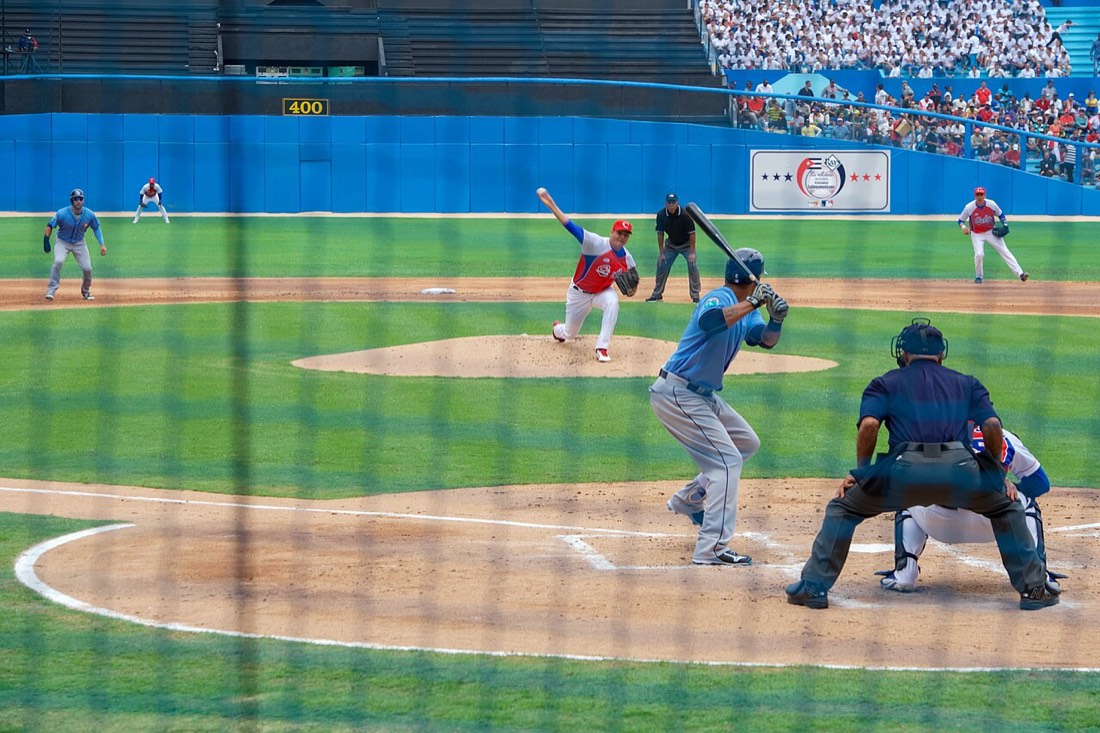
A Monterey Bay starter proves that deception and sequencing beat raw speed in summer ball.

Monterey Bay secured its first division title since 2019 with a dramatic late rally against the Ventura Vaqueros.
Comments
Be the first to comment on this story.