Analysis
Bullpen Usage Trends: How Summer Managers Are Rationing Arms
Workload caps and borrowed pitchers are reshaping how relievers get used across the league.
The clubs that survive a compressed schedule are the ones with eight usable arms, not two great ones.
There is a persistent myth in amateur baseball that a dominant top-of-the-rotation starter can carry a team through a long season. In professional ball, where an ace takes the ball every fifth day and throws two hundred innings, there is truth to it. In summer collegiate ball, it is almost entirely false, and understanding why reveals something essential about how these seasons are actually won.
The arithmetic is unforgiving. A GSCBL club plays roughly five games a week over a season compressed into about two months. The best pitcher on the roster, bound by a college program's innings cap, might throw once a week and leave after five frames. That means your ace accounts for maybe five of the thirty-five innings your staff must cover each week. The other thirty innings are decided by your sixth, seventh, and eighth-best arms, and that is where seasons are truly won and lost.
Consider the Fresno Foxes, who built their offseason narrative around a hard-throwing starter projected as the league's best. He has been excellent in his starts. He has also been responsible for roughly fifteen percent of the team's innings. In the other eighty-five percent, the Foxes have been merely average, and their record reflects the average far more than the excellence.
Contrast that with the Sacramento Sentinels, who entered the summer without a single arm projected among the league's elite but with ten pitchers their staff genuinely trusted. On any given night, the Sentinels could survive a short start, absorb a rain delay, or navigate a doubleheader without burning out their best options. That flexibility does not show up on a leaderboard, but it shows up in the standings.
Depth also functions as insurance against the inevitable. Summer rosters are volatile. A pitcher gets recalled by his college coach, another tweaks an oblique, a third simply runs out of allotted innings in late July. The club with eight usable arms can absorb two losses and keep functioning. The club with two great arms and a cliff behind them collapses the moment one piece goes missing.
This is why the most analytically sophisticated summer programs recruit for breadth rather than ceiling. They would rather roster four pitchers projected as solid than one projected as spectacular and three projected as liabilities. The spectacular arm is a luxury; the usable depth is a necessity. When a staff can hand the ball to arm number seven in a tie game and reasonably expect competence, the manager can make decisions from a position of strength rather than desperation.
The teams still playing meaningful games in August will, almost without exception, be the ones who assembled the deepest staffs rather than the flashiest. It is not a glamorous truth, and it will never make a highlight reel. But in a league defined by borrowed arms and borrowed time, the quiet virtue of having one more reliable pitcher than the other side is the single most durable predictor of success. Depth is not the sexy answer. It is simply the correct one.
Workload caps and borrowed pitchers are reshaping how relievers get used across the league.

With collegiate arms bound by strict workload caps, the league's contenders face a delicate math problem as October approaches.
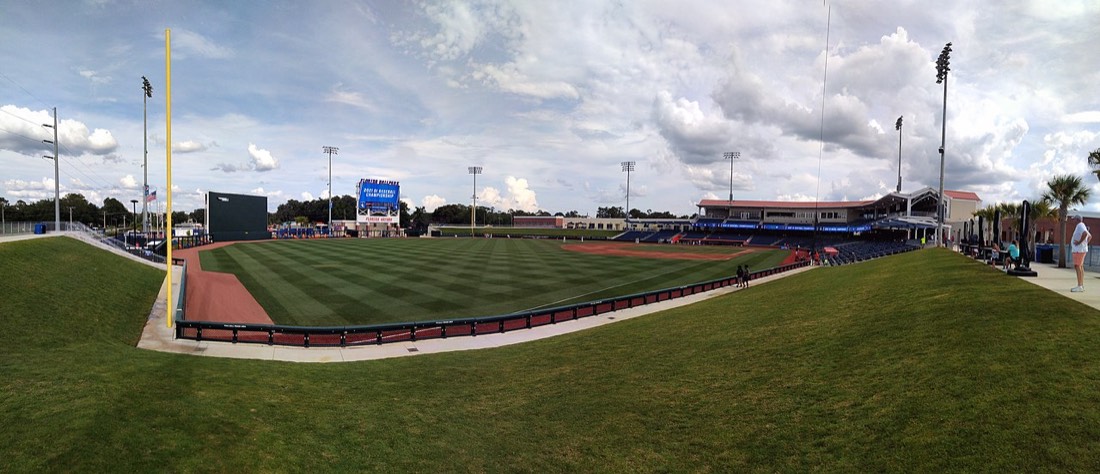
San Luis Obispo has abandoned the traditional closer role, and the early returns suggest the experiment is working.
Comments
Be the first to comment on this story.