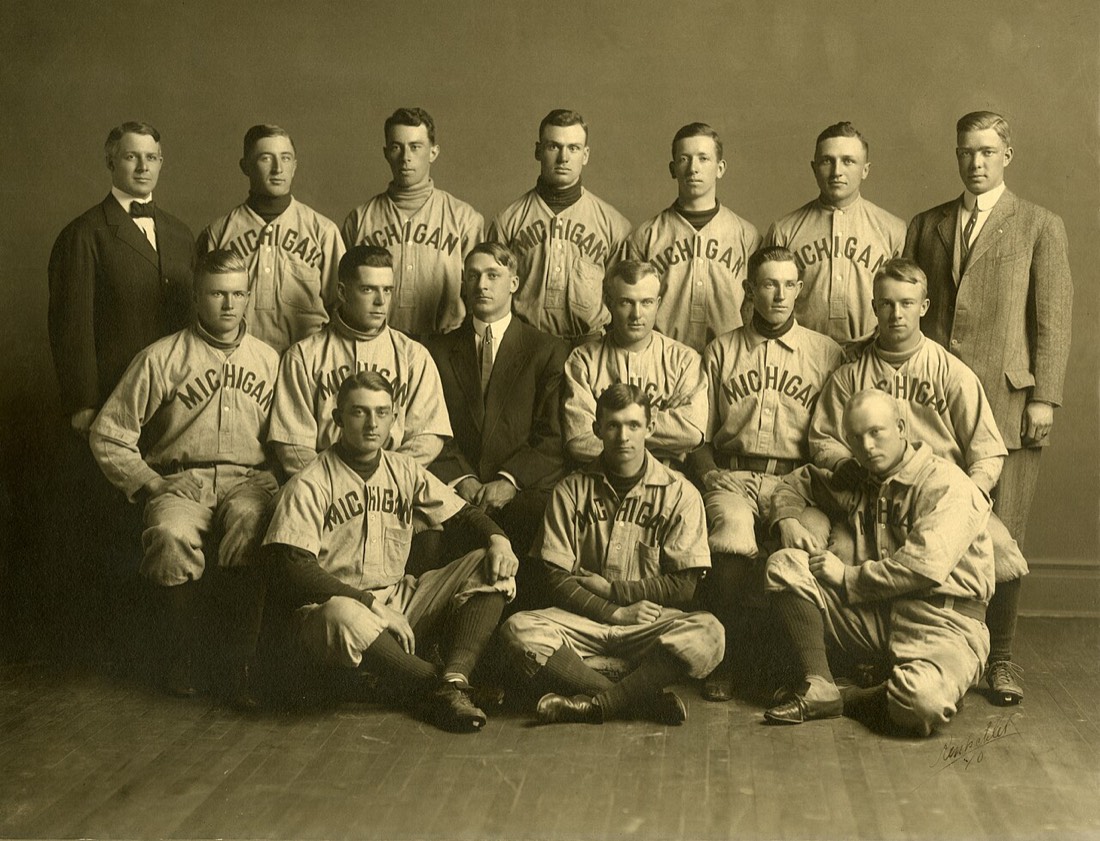
Feature
The Keeper of the Diamond: Forty Summers Tending the Oakland Oaks' Field
Before dawn each game day, Walter Hines walks the outfield grass he has groomed since the league's earliest years.
A junior-college walk-on talks his way into a tryout and rides three buses to get there.
He did not get recruited to the Oakland Oaks. He was not scouted, not invited, not even really expected. He got there the way few players in the Golden State Collegiate Baseball League do, which is to say he got there by refusing to be told no, and by riding three buses across half a state to make sure nobody could tell him no in person.
His story begins, as these stories often do, with a player who was always a little too small, a little too slow, a little too far down the depth chart to merit anyone's attention. He played at a junior college where the roster was deep and the coaching staff was stretched thin, and for two years he was mostly a practice body, a guy who threw batting practice and pinch-ran and sat.
In the spring he started emailing summer-league coaches. Not one or two. Dozens. He attached grainy phone video of himself taking swings in an empty cage and wrote earnest, slightly-too-long messages explaining why he deserved a look. Almost no one replied. The ones who did replied to say the rosters were full.
One Oaks assistant, however, made the mistake of answering honestly. He said there was no spot, but if the kid ever happened to be in town during open tryouts, he was welcome to show up and compete. The assistant meant it as a polite closing. The kid read it as an invitation.
He had no car. He had very little money. What he had was a tryout date and a bus schedule, and he spent an entire night plotting a route that would get him from his hometown to Oakland. It required three separate buses, a layover in a city he had never seen, and most of a day. He slept across two seats with his glove for a pillow and arrived at the ballpark unshaven and stiff, having eaten nothing but vending-machine crackers since the previous afternoon.
The assistant did not recognize him. When the kid introduced himself as the one from the emails, the one who had ridden three buses, the assistant laughed, not unkindly, and told him to go grab a glove. Nobody expected much. A walk-on who shows up on willpower alone is usually a feel-good story and nothing more.
He ran the sixty, and it was unremarkable. He took ground balls, and they were clean but not dazzling. Then he stepped into the cage, and something happened. The swing that had looked so ordinary in grainy phone video turned out, in person, to have real bat speed behind it, the kind that is hard to teach and impossible to fake. He drove ball after ball into the gaps. The assistant stopped laughing.
They kept him. Not as a star, not even as a starter at first, but as a roster player on a real summer collegiate team, which is more than anyone back at his junior college ever thought he would be. He earned at-bats gradually, the way he had earned everything, by refusing to waste a single opportunity. By midseason he was a regular.
What makes the story worth telling is not that he became a great player, because he did not, not exactly. It is the three buses. It is the willingness to spend a sleepless day in transit on the strength of a polite brush-off that any reasonable person would have read as rejection. The Oaks coaching staff tells the story to new players every summer, not because the ending is triumphant but because the middle is instructive. Talent, they point out, got him the at-bats. Something else entirely got him to the ballpark.
He went back home at the end of the summer, back to the junior college and the deep roster and the long odds. But he went back different, carrying proof that the word no is only ever as final as you agree to let it be. And somewhere in his bag, worn soft from a night as a pillow, was the glove that had gotten him there.
Before dawn each game day, Walter Hines walks the outfield grass he has groomed since the league's earliest years.
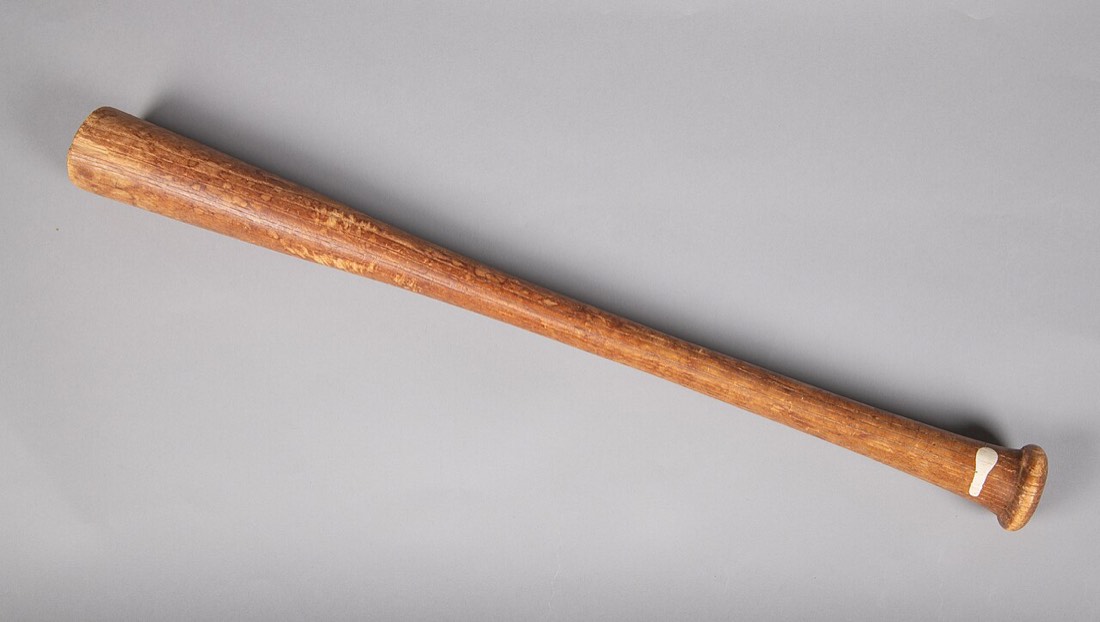
A Bakersfield outfielder plays with the same family glove his grandfather oiled and his father wore, and the leather carries them all.
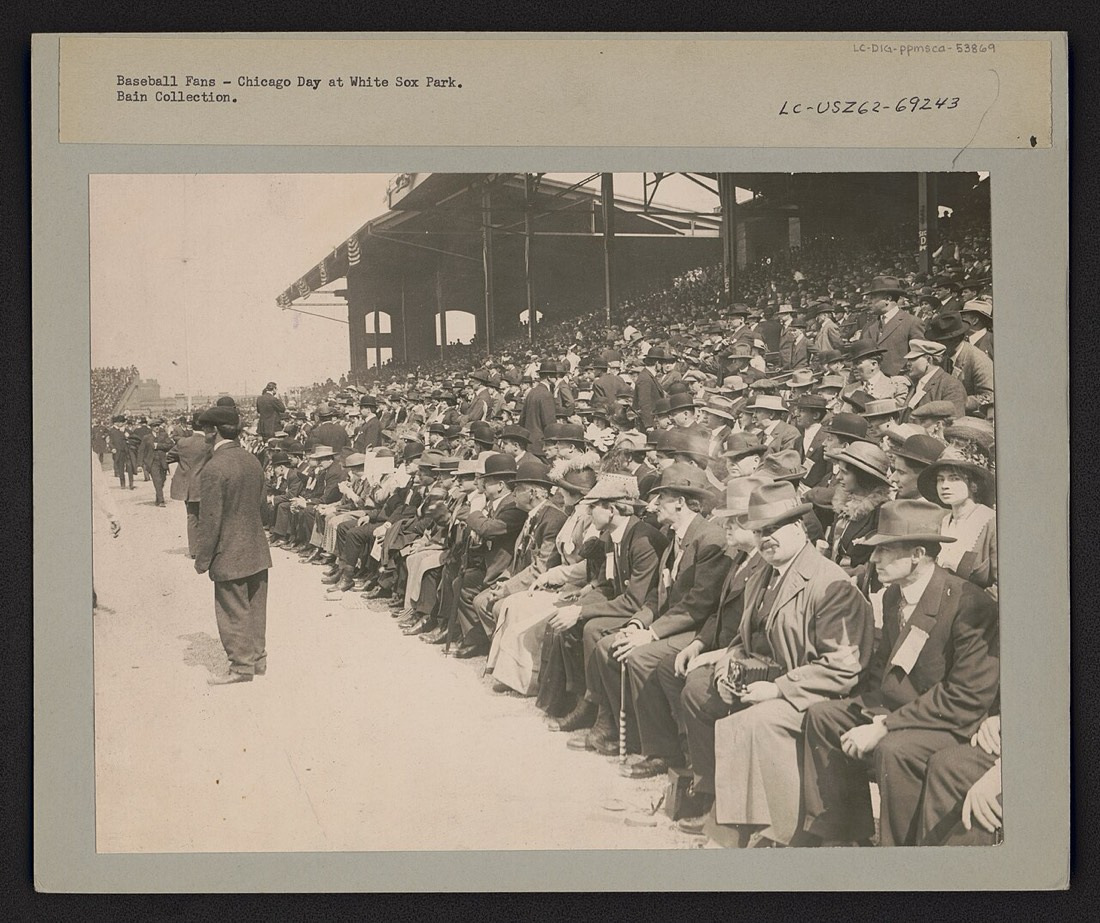
For one Stockton player, every home game is a reunion with the neighborhood that raised him.
Comments
Be the first to comment on this story.