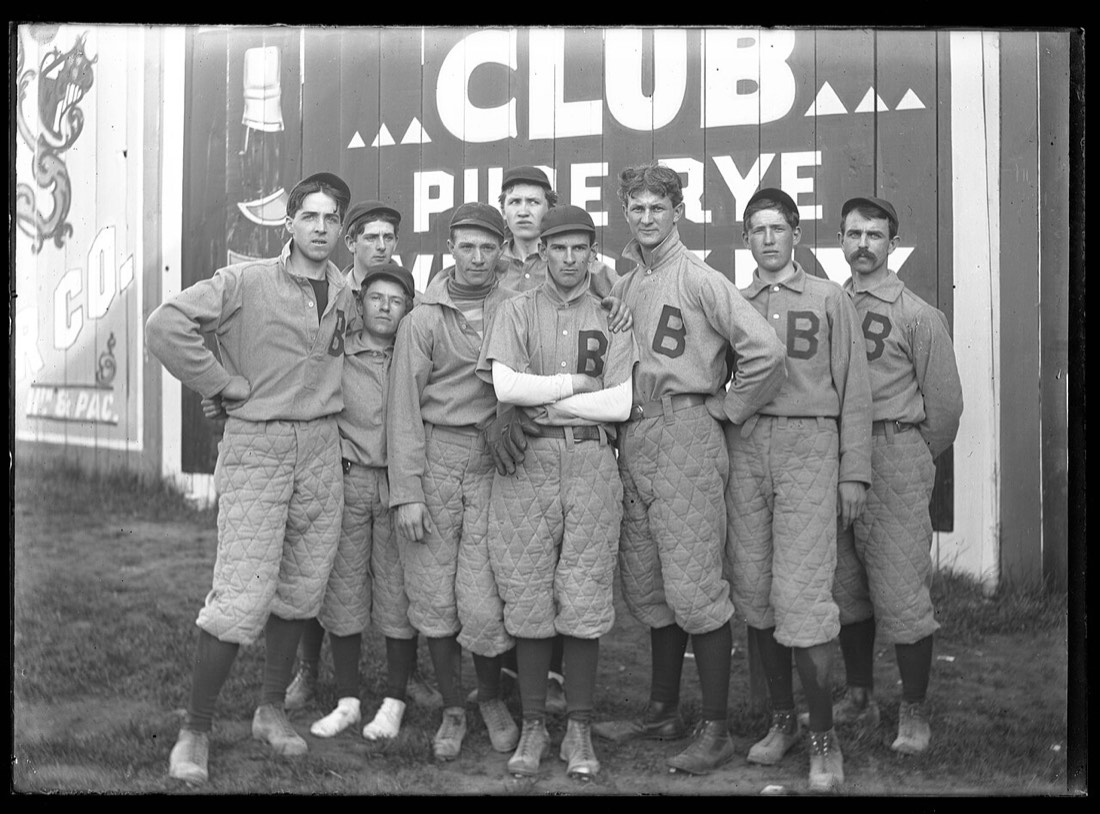
Feature
Sixteen Hours in a Summer Ballplayer's Day
From a 6 a.m. alarm to a midnight bus home, one Redding player's ordinary game day is anything but ordinary.
After an elbow injury stole two years, a Fresno pitcher learned to trust a body that had already betrayed him once.
The pitch that ended the first part of his career did not hurt, at least not in the way he expected. There was a pop, more sound than sensation, and then a strange numbness running down his forearm, and then the slow dawning understanding, even before the doctors confirmed it, that something inside his elbow had come apart. He was nineteen. He had been, by every measure, one of the best young arms anyone around him had ever seen.
The Fresno Foxes pitcher spent the next two years learning what it means to be a baseball player who cannot play baseball. The surgery was the easy part, a single difficult afternoon. The rehabilitation was the hard part, a grinding procession of months in which progress was measured in degrees of motion and ounces of weight, and in which the great enemy was not pain but boredom and doubt.
He talks about that stretch as "the long nothing." His teammates kept playing. The seasons kept turning. He went to the games in street clothes and cheered until it hollowed him out, because there is a particular cruelty in watching other people do the thing you have organized your entire life around. He began to wonder, in the quiet hours, whether he was still a pitcher at all or merely someone who used to be one.
The physical therapy was relentless and unglamorous. Rubber bands and small dumbbells and a rubber ball he squeezed until his forearm ached. There were setbacks, plateaus, a frightening week when the elbow swelled for no reason anyone could explain. More than once he considered quitting, not out of pain but out of exhaustion with hope itself. Hope, he found, was the heaviest thing he had to carry.
When he finally began throwing again, the problem was no longer physical. The elbow held. His mind did not. The first time he reached back to throw at full effort, his body flinched, bracing for a pop that never came. He had developed, without meaning to, a flinch against his own arm. He could not trust the thing that had already betrayed him once.
Rebuilding that trust took longer than rebuilding the ligament. He threw thousands of pitches at less than full effort, coaxing his body back toward belief one throw at a time. A pitching coach who had been through something similar told him the velocity would come back on its own, but only after the fear left, never before. The order mattered. You could not out-throw the flinch. You had to outlast it.
The Golden State Collegiate Baseball League, and the Fresno Foxes in particular, became the place he chose to find out whether the fear had left. A summer season, lower stakes than his college schedule, a chance to pitch real innings without the weight of a draft year pressing down. He arrived cautious and left transformed.
The velocity did come back, though not all of it, and he has made peace with the difference. What came back more fully was something harder to quantify, a willingness to let go of the ball without hedging, to trust that the elbow would hold because it had held a hundred times before. By August he was finishing games, reaching back in late innings for a little extra and finding, to his continuing astonishment, that it was there.
He knows the arm could go again. Every pitcher who has been rebuilt carries that knowledge like a stone in the pocket. But he no longer pitches against the possibility. He has learned that you cannot throw a baseball while also protecting yourself from the throw, that the only way back was through the fear and not around it. The long nothing is behind him now. He stands on the mound in Fresno, reaches back, and lets go.
From a 6 a.m. alarm to a midnight bus home, one Redding player's ordinary game day is anything but ordinary.
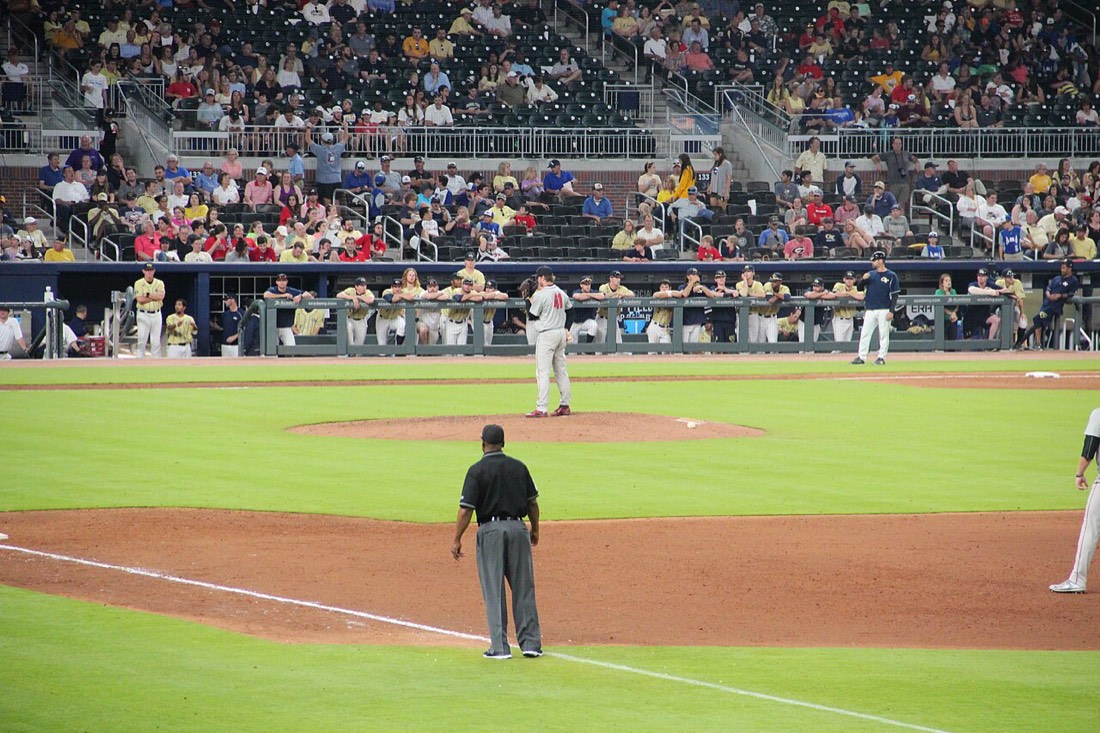
A quiet revolution in defensive alignment is unfolding across the Valley Division, and the batting averages tell the tale.
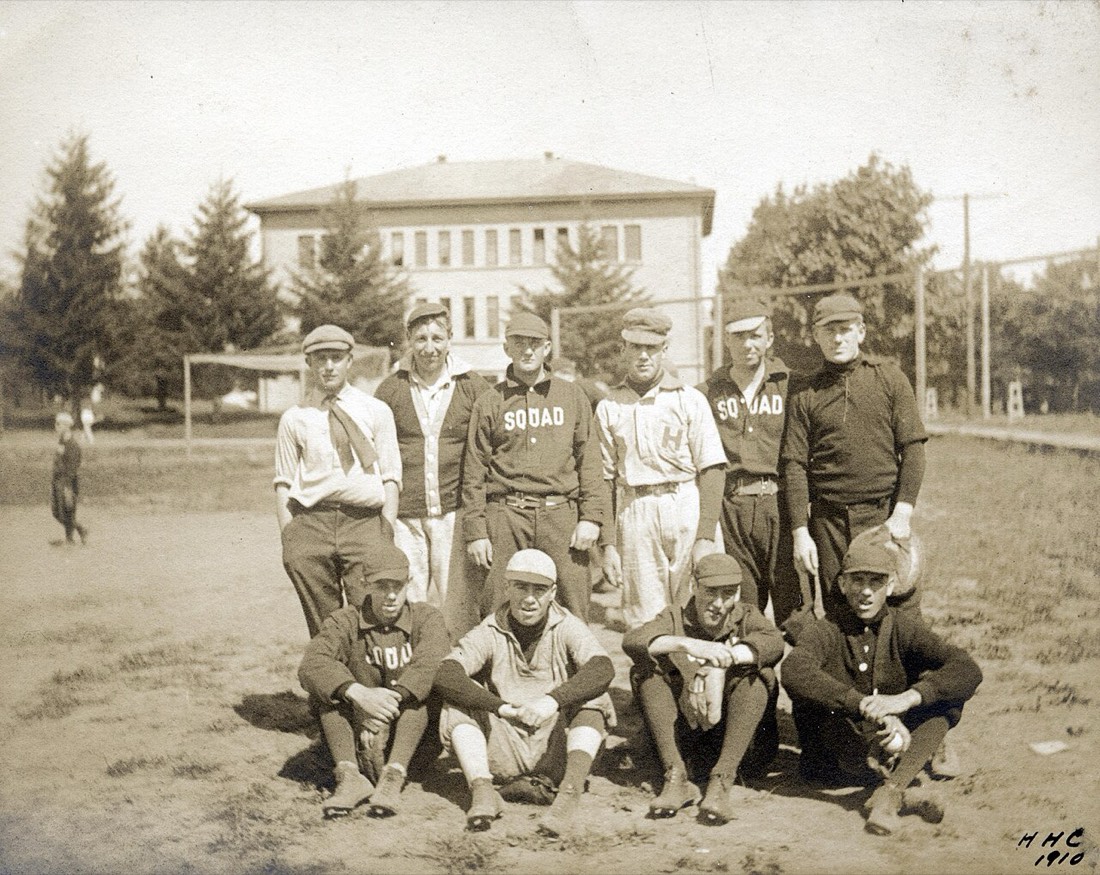
Two summers after an arm injury nearly ended his career, Sacramento right-hander Jonah Castellanos is throwing again, and winning.
Comments
Be the first to comment on this story.