History
The Greatest Season: The Bandits' Summer of Nearly Perfect
The 2021 Bakersfield Bandits chased history all summer, lost exactly four games, and still argue about the one that got away.
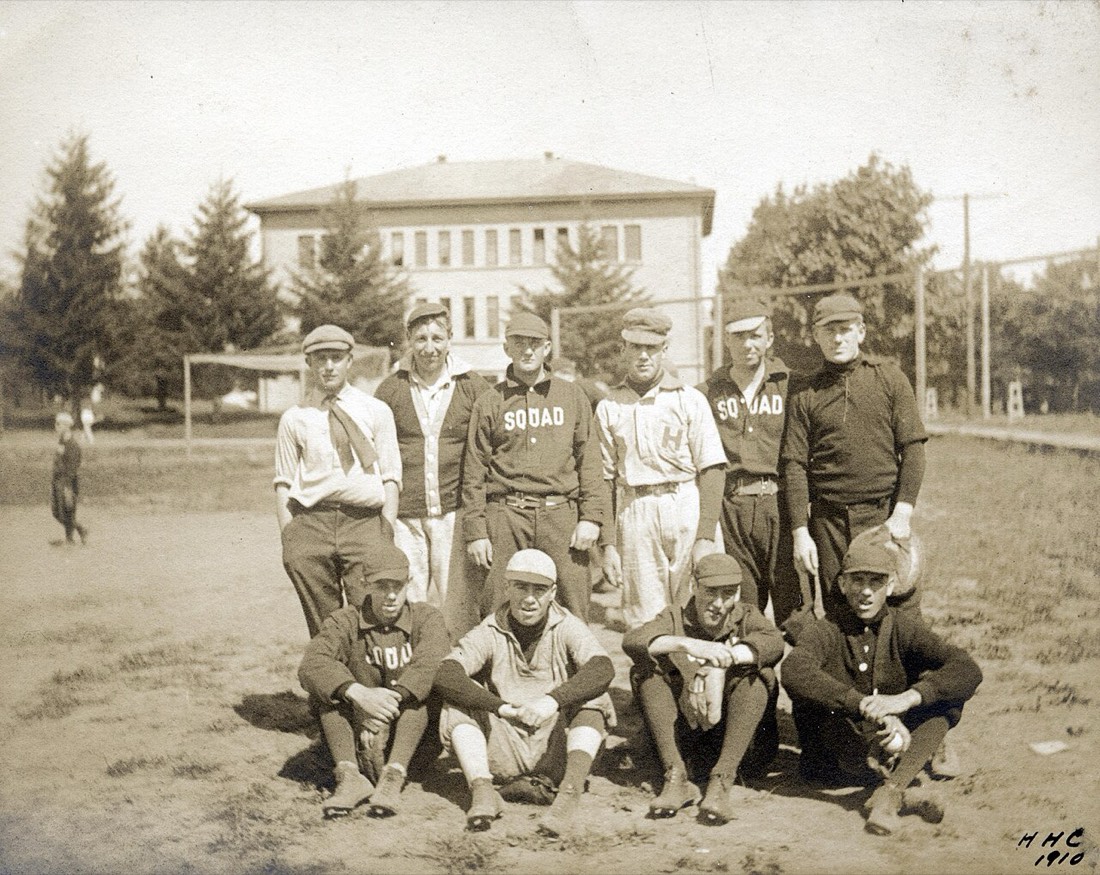
A handful of coaches, a borrowed field, and a stubborn dream turned a summer idea into a league that has lasted fifteen seasons.
In the winter of 2008, a group of college coaches and a few restless baseball men gathered in a diner off a coastal highway and sketched the outline of a league on paper napkins. They wanted a place where college players could keep swinging wooden bats through the summer, where the games were cheap enough for families and close enough to home that a kid from the valley could play in front of the people who raised him. By the following June, the Golden State Collegiate Baseball League played its first pitch. Nobody in that diner imagined the thing would still be running fifteen summers later.
The founding was not glamorous. The first office was a spare bedroom. The first schedule was built on a secondhand spreadsheet and a lot of phone calls. The original commissioner, a retired high school athletic director who refused to be paid for the first two years, drove the length of the state to shake hands with field managers, parks departments, and skeptical city councils. His pitch was simple. Give us your ballpark on the nights it would otherwise sit empty, and we will fill the bleachers with neighbors.
The inaugural 2009 season launched with six clubs scraped together from whatever markets were willing to gamble on an unproven idea. The league promised three things to every player who signed on. Wooden bats, so scouts could see a true swing. Host families, so nobody paid for a hotel. And a real schedule, long enough to matter but short enough to end before fall classes called everyone back. Those three promises became the spine of the league, and they have never been broken.
Money was the constant worry. In the first summer, one club nearly folded in July when its sponsor pulled out, and the players went two weeks without clean uniforms because the laundry bill had not been paid. The story around the league is that the host families themselves took the jerseys home, washed them, and hung them on backyard lines to dry. Whether that is literally true or has grown taller with each retelling hardly matters now. It captures the spirit of the thing. The league survived because ordinary people decided it should.
The early rules were loose and occasionally invented on the fly. There is a well-worn tale of an umpire in that first season who ruled a ground-rule double on a ball that rolled under a parked pickup truck beyond the outfield fence, because the rulebook said nothing about pickup trucks. The league office quietly added a clause the next week. These were the growing pains of a thing being built in real time, with volunteers patching the holes as fast as they appeared.
By the end of that first summer, something had clicked. Attendance in a couple of markets outran every modest projection. A player from the inaugural roster earned a professional contract that fall, and suddenly the league had proof that it could do what it promised. The founders had wanted a showcase and a community in the same package, and for one improbable season they got both.
The two-division structure that defines the league today, split between the coastal clubs and the valley clubs, did not exist in 2009. That came later, as the league grew and travel became a logistical headache that geography could solve. But the instinct was there from the start. The founders understood that a summer league lives or dies on local pride, on the idea that your town has a team and the next town over does not get to have it. They leaned into rivalry early, scheduling the closest markets against each other as often as the calendar allowed.
What strikes you most, looking back, is how fragile it all was. One bad summer, one lost sponsor at the wrong moment, one city pulling its field permit, and the whole experiment could have evaporated the way so many summer leagues have before and since. Instead, the Golden State Collegiate League found a foothold. The diner napkins turned into a constitution. The spare bedroom turned into an office. And the stubborn idea that a college kid deserved a real summer of baseball close to home turned into an institution that a whole region now takes for granted. Not bad for a plan drawn up over coffee and pie.
The 2021 Bakersfield Bandits chased history all summer, lost exactly four games, and still argue about the one that got away.
A walk-on reliever making his first start retired every batter he faced on a foggy July night, and then he more or less disappeared.
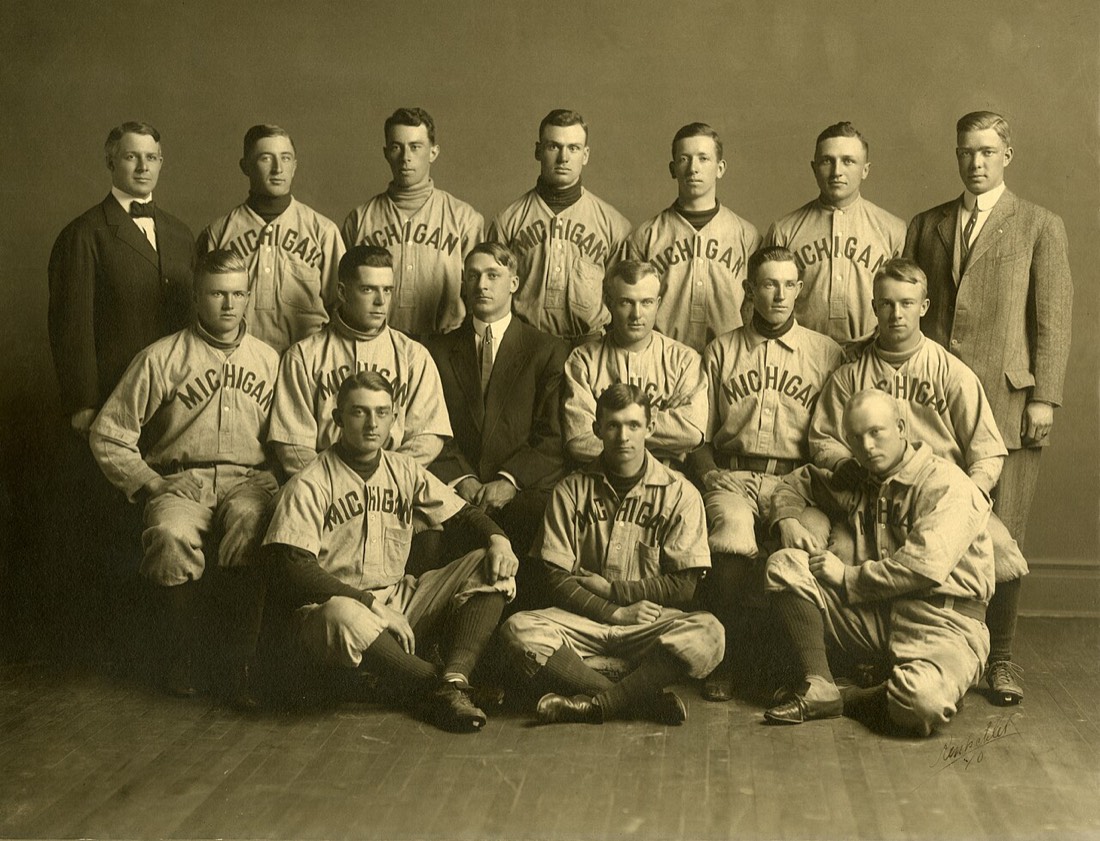
For half a decade the Sacramento Sentinels did not merely win the Valley Division; they owned it, and the league is still catching up.
Comments
Be the first to comment on this story.