Culture
The Art of the Sacrifice Bunt in the Modern Game
The sacrifice bunt has fallen out of fashion in the analytics era, but it still holds real value when used in the right moments and situations.
There is a particular feeling to a summer collegiate ballpark that no major stadium can match. The parks are modest, the seats close to the field, and
There is a particular feeling to a summer collegiate ballpark that no major stadium can match. The parks are modest, the seats close to the field, and the players within easy earshot of the crowd. Fans can hear the thump of the bat and the chatter in the dugout. On a warm evening, with the lights just flickering on, the place feels like a town square. That intimacy is the league's trademark.
The crowd at these games embodies the community that surrounds the park. You will see Little Leaguers spreading blankets on the grass berm beyond the outfield. Children chase foul balls between innings, and vendors wander the aisles with cold drinks. The atmosphere is unhurried rather than frantic. People come as much for the evening as for the final score.
Local tradition defines each ballpark in its own way. One park might ring a particular bell after every home team run. Another might run a between-innings contest that the same families have loved for years. These rituals link the community to the team across generations. A visitor quickly senses that he has walked into a place with its own customs.
The concession stand is often the social center of a summer ballpark. Behind the counter you may find volunteers from a local civic group raising money for a youth program. The food is homey: grilled burgers, fresh popcorn, and ice cream that melts fast in the heat. Prices stay low so a family can afford a full evening. That modest economy is essential to the league's appeal.
The players themselves add to the atmosphere in ways they may not realize. Because the parks are small, fans follow individual players over the summer. A college kid from several states away becomes a local favorite within weeks. Children line up by the fence for autographs after the final out. For many players, that connection with fans is their first taste of being celebrated.
Host families extend the bond between the team and the town. Many players live with local families for the summer, sharing meals and becoming part of the household. Those families then show up at the ballpark to cheer for their temporary son. The arrangement dissolves the line between the team and the community. It is one of the most heartfelt features of summer collegiate baseball.
Weather and the rhythm of the season bring their own texture to the experience. A game played under a golden sunset carries a beauty that a domed stadium cannot offer. The scent of cut grass and grilled food drifts through the stands. As twilight deepens, the lights take over and the field seems to sharpen. These sensory details are inseparable from the memory of a summer game.
The announcers and scoreboard operators at these parks are frequently local characters. Their voices grow into part of the summer's soundtrack. They know the players' hometowns and share facts that make each at-bat feel personal. The production is charmingly simple rather than slick, and that is precisely its charm. Fans would not trade it for a professional broadcast.
Rivalry games electrify the atmosphere beyond the ordinary. When a neighboring town's team comes to visit, the stands pack with extra energy and good-natured heckling. Decades-old grudges between communities bubble up on summer evenings. The baseball becomes a vessel for a broader civic pride. Those nights live in local memory far longer than a regular contest.
Even the quiet weeknight games have a particular magic to them. On a slow Tuesday, with a sparse crowd, the sounds of the game carry clearly across the park. You can hear an infielder chattering at a nervous pitcher. The pace invites connection among the fans who did come out. These low-key evenings are, for many regulars, the purest version of the experience.
In sum, the culture of a summer collegiate ballpark is an evolving thing built by the community around it. It cannot be manufactured; it must be grown over seasons of shared evenings. The players pass through, but the atmosphere remains year after year. To understand the Golden State Collegiate Baseball League fully, one has to spend an evening in these stands. The game on the field is only half the story.
The sacrifice bunt has fallen out of fashion in the analytics era, but it still holds real value when used in the right moments and situations.
A new generation of players is rewriting the sport's code of conduct. Bat flips, celebrations, and self-expression are no longer crimes against the game.
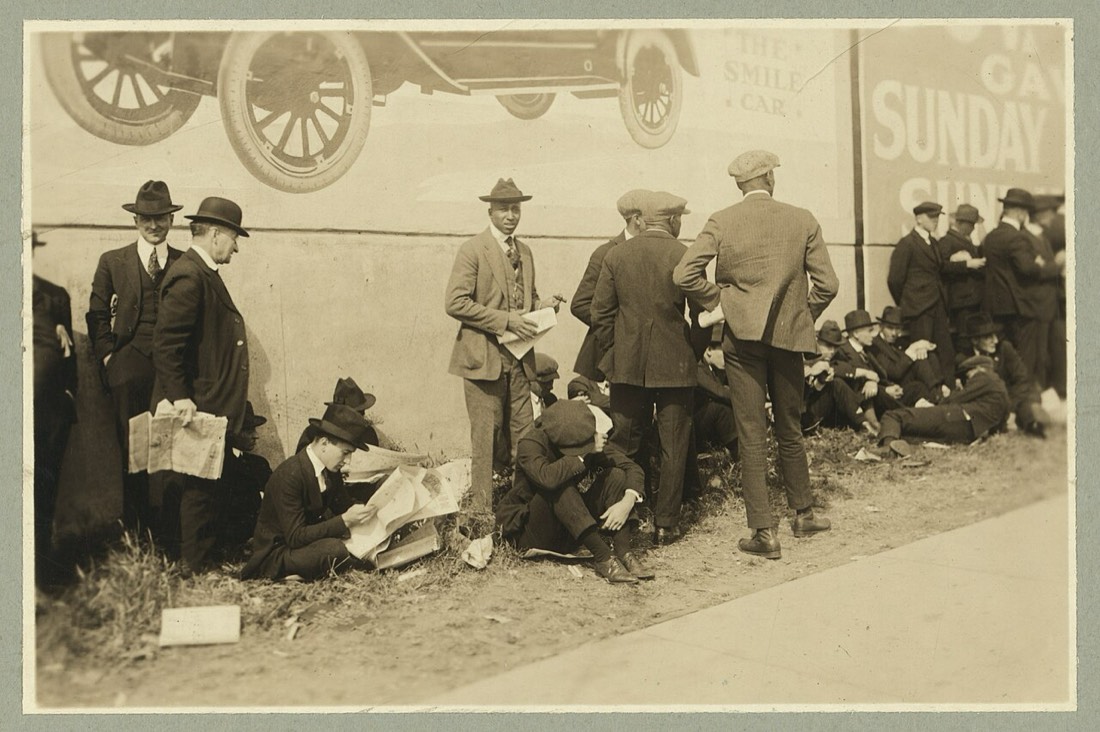
Few elements of summer baseball deserve close attention as richly as smart baserunning, yet casual fans time and again overlook it entirely. In the Go
Comments
Be the first to comment on this story.