
Culture
The Unwritten Rules Are Changing, and Baseball Is Better for It
A new generation of players is rewriting the sport's code of conduct. Bat flips, celebrations, and self-expression are no longer crimes against the game.
The sacrifice bunt has fallen out of fashion in the analytics era, but it still holds real value when used in the right moments and situations.
Few plays divide the baseball world quite like the sacrifice bunt. To the old school, it is a fundamental act of team baseball, a selfless surrender of an at-bat to move the game forward. To the analytics crowd, it is often a needless gift of an out, a decision that lowers run expectancy more often than it helps. The truth, as usual, lives somewhere between the two camps, and understanding where the bunt still belongs is a worthwhile exercise for anyone who loves the strategy of the sport.
The statistical case against the bunt is real and worth taking seriously. Run expectancy tables, built from decades of play, show that a team with a runner on first and no outs will, on average, score more runs over the rest of the inning than a team with a runner on second and one out. Trading an out for a base usually costs the offense expected runs. For a lineup trying to maximize total scoring across a long game, giving away outs is generally a poor bargain.
But run expectancy is an average across all situations, and baseball is not played in averages. It is played in specific moments with specific stakes. The relevant question late in a close game is often not how many runs a team will score on average, but how likely it is to score exactly one run. That distinction is where the bunt reclaims some of its value.
In a tie game in the ninth inning, a team does not care about maximizing total runs. It cares about scoring a single run to win. In that narrow situation, win probability tables tell a more favorable story about the bunt than run expectancy does. Moving a runner into scoring position with one out can raise the chance of pushing across that one decisive run, even if it lowers the expected total. The bunt is a tool for a specific job, and that job is manufacturing a single run when a single run is all that matters.
The quality of the hitter at the plate matters enormously in this calculation. Asking a dangerous hitter to bunt away an at-bat is usually a mistake, because his bat is more valuable swinging. Asking a weak-hitting pitcher or a light-hitting defensive specialist to lay one down costs the offense far less, since that player was unlikely to produce much by swinging anyway. The bunt makes the most sense precisely when it is least expensive, which is a point both camps can usually agree on.
Speed on the bases changes the arithmetic as well. A fast runner on first with a bunter at the plate puts tremendous pressure on the defense, because a poor throw or a slow charge can leave both runners safe. The same play with a slow runner offers far less upside and far more risk of a lead runner being thrown out. Managers who use the bunt well read these details closely, weighing the specific runner, hitter, defense, and score rather than reaching for the play out of habit.
One of the most underrated aspects of the sacrifice bunt is what it does even when it is not attempted. A hitter who can bunt well forces the corner infielders to play in, which opens up the rest of the diamond. The third baseman creeping toward the plate leaves a larger hole at the line and less range toward the hole. A good bunter can slap a ball past a charging defender or pull the bat back and swing against a defense that has committed itself. The mere credible threat of the bunt changes how the defense has to play, and that pressure has value that never shows up in a simple run-expectancy table.
This is why the skill is worth teaching even to players who will rarely be asked to sacrifice. The ability to drop a bunt down the line keeps infielders honest and gives a hitter one more weapon. At the collegiate and developmental levels, where defenses are less polished, a well-placed bunt can turn into a hit far more often than it does at the highest levels of the game.
A sacrifice bunt is only a good play if it works, and execution is harder than it looks. The bunter has to get the ball on the ground in fair territory, placed away from the pitcher and toward a base the defense will struggle to cover in time. A popped-up bunt can turn into a double play. A missed bunt can leave a runner hung out to dry. Teams that bunt well practice it relentlessly, treating it as a genuine skill rather than an afterthought.
The modern game has correctly pruned a lot of reflexive, low-value bunting. The automatic sacrifice with a good hitter in the second inning deserved to die. But declaring the bunt obsolete goes too far. In the late innings of a tight game, with the right hitter and the right runner, it remains a sharp and useful tool. The art lies not in bunting often, but in knowing the handful of moments when surrendering an out is the smartest thing a team can do.
Like most old baseball wisdom, the sacrifice bunt survives because it still answers a real question. The game simply learned to ask that question less often and more carefully, which is probably the healthiest place for any strategy to end up.
A new generation of players is rewriting the sport's code of conduct. Bat flips, celebrations, and self-expression are no longer crimes against the game.
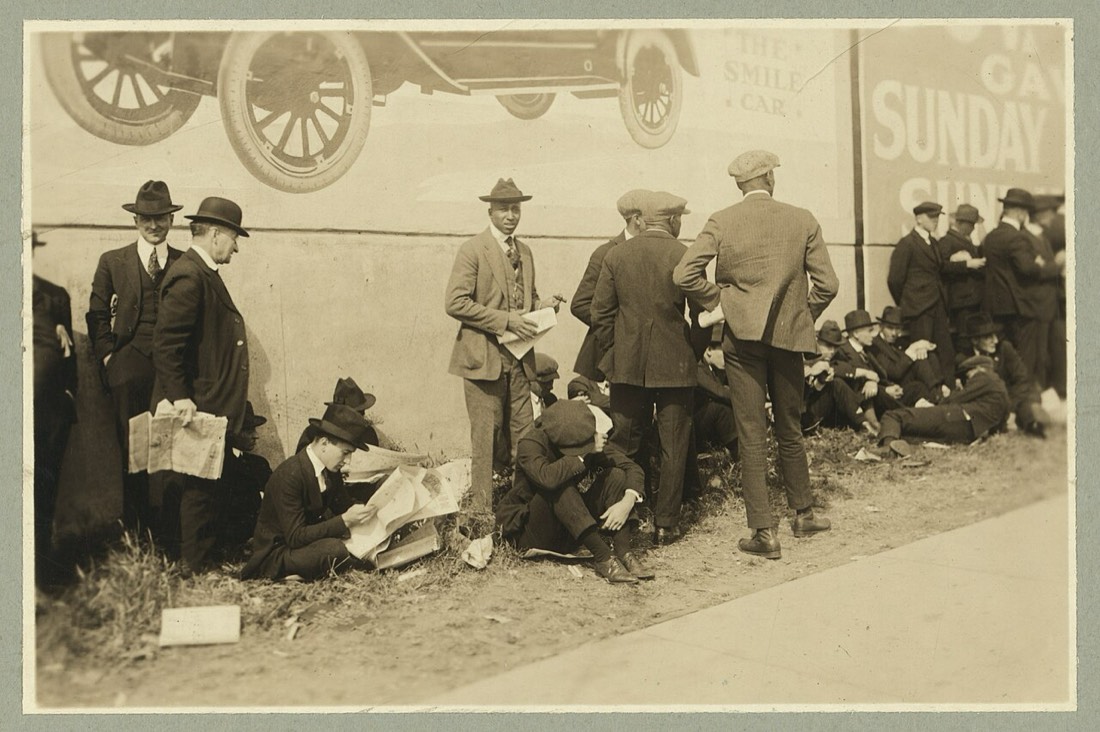
Few elements of summer baseball deserve close attention as richly as smart baserunning, yet casual fans time and again overlook it entirely. In the Go
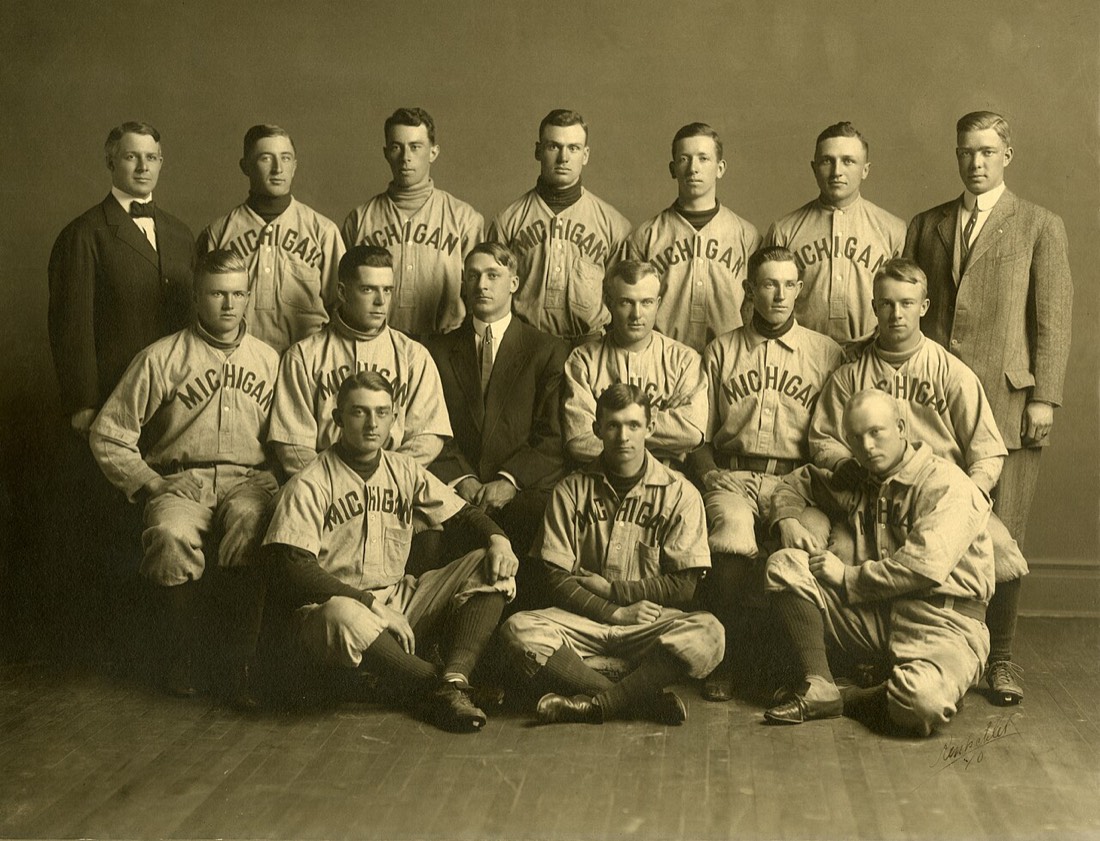
Few elements of summer baseball reward close attention as richly as the league's alumni, yet casual fans frequently overlook it entirely. In the Golde
Comments
Be the first to comment on this story.