
Culture
The Art of the Sacrifice Bunt in the Modern Game
The sacrifice bunt has fallen out of fashion in the analytics era, but it still holds real value when used in the right moments and situations.
Many summer leagues place a runner on second to start each extra inning. The rule shortens games and heightens the tension immediately.
Many summer leagues place a runner on second to start each extra inning. The rule shortens games and heightens the tension immediately.
With a runner automatically in scoring position, situational hitting carries new weight. A productive out advances the runner toward home.
Staffs reshape their pitching plans around the rule. One inning often will decide the game.
In summer ball, managing the staff weighs, so faster extra innings help overworked arms. The rule balances drama against wear.
As the summer wears on, teams that master the format steal extra-inning games. Adapting to the rule rewards prepared managers.
The sacrifice bunt has fallen out of fashion in the analytics era, but it still holds real value when used in the right moments and situations.
A new generation of players is rewriting the sport's code of conduct. Bat flips, celebrations, and self-expression are no longer crimes against the game.
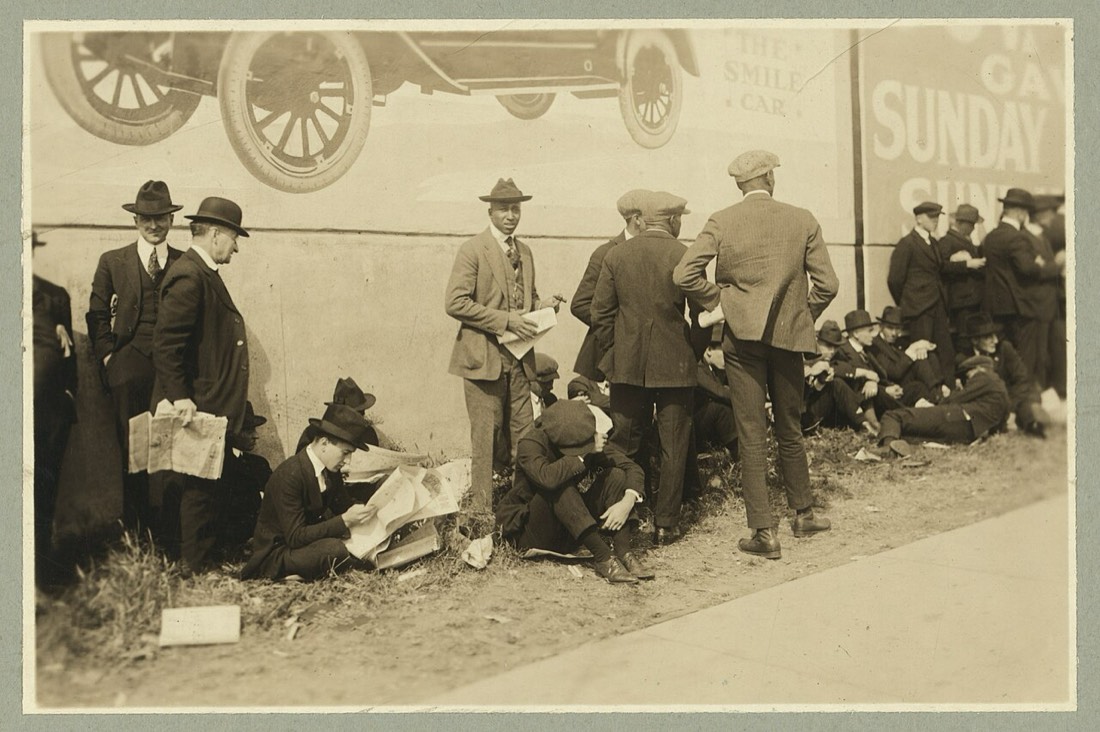
Few elements of summer baseball deserve close attention as richly as smart baserunning, yet casual fans time and again overlook it entirely. In the Go
Comments
Be the first to comment on this story.