
technical
The Unwritten Rules That Still Shape the Dugout
Baseball's unwritten rules still govern dugout conduct, respect, and the rhythms of the game, even as the sport grows more expressive and modern.
A walk-off rally rarely happens in one swing; it builds pitch by pitch through small decisions, shifting pressure, and compounding tension.
The highlight reel remembers the final swing. The runner sprinting home, the dugout emptying, the pile forming near the plate. What the highlight leaves out is everything that came before, the slow accumulation of small events that made the big moment possible. A walk-off rally almost never arrives in a single thunderclap. It builds, pitch by pitch, through a sequence of choices and near-misses that most fans forget the moment the ball lands in the gap.
Most late rallies begin with something modest. A leadoff walk. A seeing-eye single. A hustle double on a ball that should have been caught. These events seem minor in isolation, but they change the math immediately. A pitcher who was cruising now has to work from the stretch, hold a runner, and think about more than just the hitter in front of him. The pressure that had been resting entirely on the offense begins, quietly, to shift.
That first baserunner also changes the psychology of the dugout. A team down a run in the ninth with the bases empty feels one way. The same team with a runner on and nobody out feels entirely different. Belief is a real and measurable force in these moments. Hitters relax a fraction, see the ball a little better, and start to take professional at-bats instead of pressing for the hero swing. Ironically, the best way to set up the dramatic finish is for everyone to stop trying to be the one who delivers it.
As a rally extends, the burden on the defense multiplies with every pitch. Now there are runners to hold, bases to cover, and double-play possibilities to weigh. The pitcher is deeper into his outing and likely fatigued. His command tightens up at exactly the moment he can least afford it, because the margin for error has shrunk to almost nothing. A single mistake over the heart of the plate is no longer just a hit. It is the game.
Fatigue plays a quiet but decisive role here. A pitcher who looked sharp in the sixth may have lost a tick off his fastball and a few inches off his breaking ball by the ninth, and hitters who have now seen him three times are better tuned to his patterns. The rally feeds on that erosion. Each additional baserunner means more pitches thrown from the stretch, more attention split between the hitter and the runners, and less of the crisp command that kept the offense quiet earlier. Small advantages compound until the pitcher is working with almost no room to miss.
This is where pitch selection becomes agonizing. Does the catcher call for the breaking ball that might bounce and move a runner, or the fastball that might get crushed? Does the pitcher challenge the hitter or try to expand the zone and risk a walk that loads the bases? Every option carries a cost, and the hitter, sensing the pitcher's dilemma, becomes more patient and more dangerous. The count itself becomes a battleground, and a rally often turns on a single two-strike foul ball that keeps an at-bat alive.
The player who gets mobbed at the plate gets the credit, but a walk-off is a team achievement spread across several at-bats. The hitter who works a nine-pitch walk, the one who grounds out to the right side to move a runner over, the one who fouls off three two-strike pitches before lining a single, all of them built the moment. By the time the winning run comes to the plate, the inning has already been shaped by teammates who will not appear in the final highlight at all.
Those unglamorous contributions are often the difference between a rally that fizzles and one that finishes. A rally dies quietly when hitters chase, when they try to do too much, when they swing at the pitcher's pitch instead of waiting for their own. It survives when each hitter does his small job and passes the baton to the next man. The discipline to accept a walk or a productive out when the moment screams for a home run is one of the hardest things in the sport.
By the time the deciding swing happens, the outcome has often been set up so thoroughly that the finish feels inevitable in hindsight. The pitcher is gassed, the bases are clogged, the crowd is roaring, and the hitter is sitting on exactly the pitch he gets. The dramatic moment is real, but it is the last domino in a long chain, not a bolt from nowhere. Understanding that chain is what separates watching baseball from truly seeing it.
This is also why walk-off rallies are so emotionally powerful for the people living them. The players feel the tension build with every pitch, feel the odds slowly tilt, feel belief grow in the dugout until it becomes almost unbearable. The release at the end is so large precisely because the pressure took so long to accumulate. A one-swing comeback would be thrilling, but it would not carry the same weight as a rally that was earned one tense pitch at a time.
So the next time you watch a team claw back in the final inning, try to resist jumping ahead to the finish. Watch the first walk, the shift to the stretch, the catcher's hesitation over the pitch selection, the hitter spoiling a tough two-strike offering. That is the rally actually being built. The celebration at the end is just the moment all of it finally comes due.
Baseball's unwritten rules still govern dugout conduct, respect, and the rhythms of the game, even as the sport grows more expressive and modern.
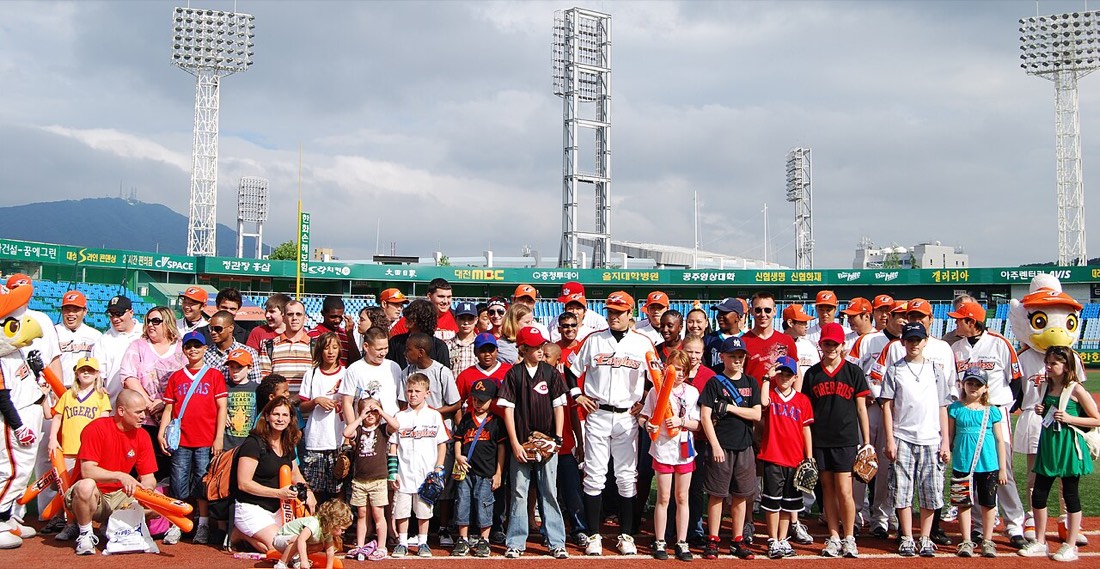
Scouts watching the summer collegiate circuit look past raw numbers for tools, instincts, and the subtle habits that predict how a player will develop.
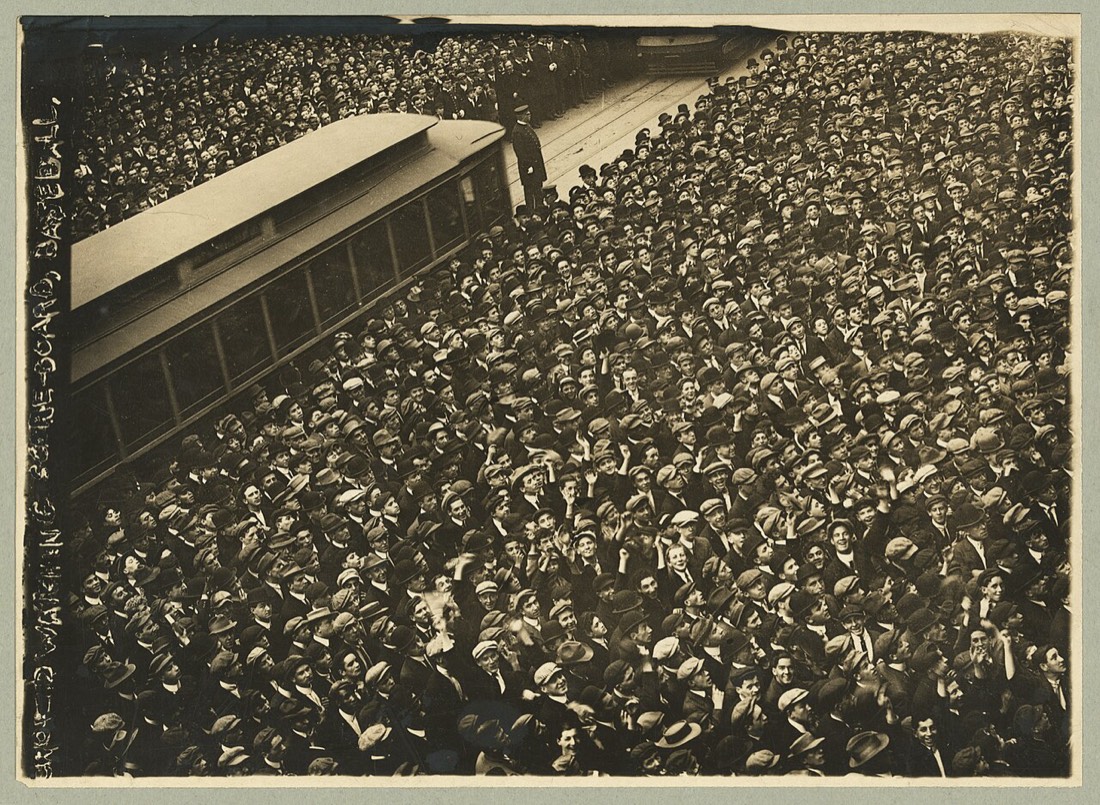
The sacrifice bunt has fallen out of fashion in the analytics era, but it still holds real value when used in the right moments and situations.
Comments
Be the first to comment on this story.