Feature
Pickaxes and Pennants: How the Modesto Miners Carry a Town's History
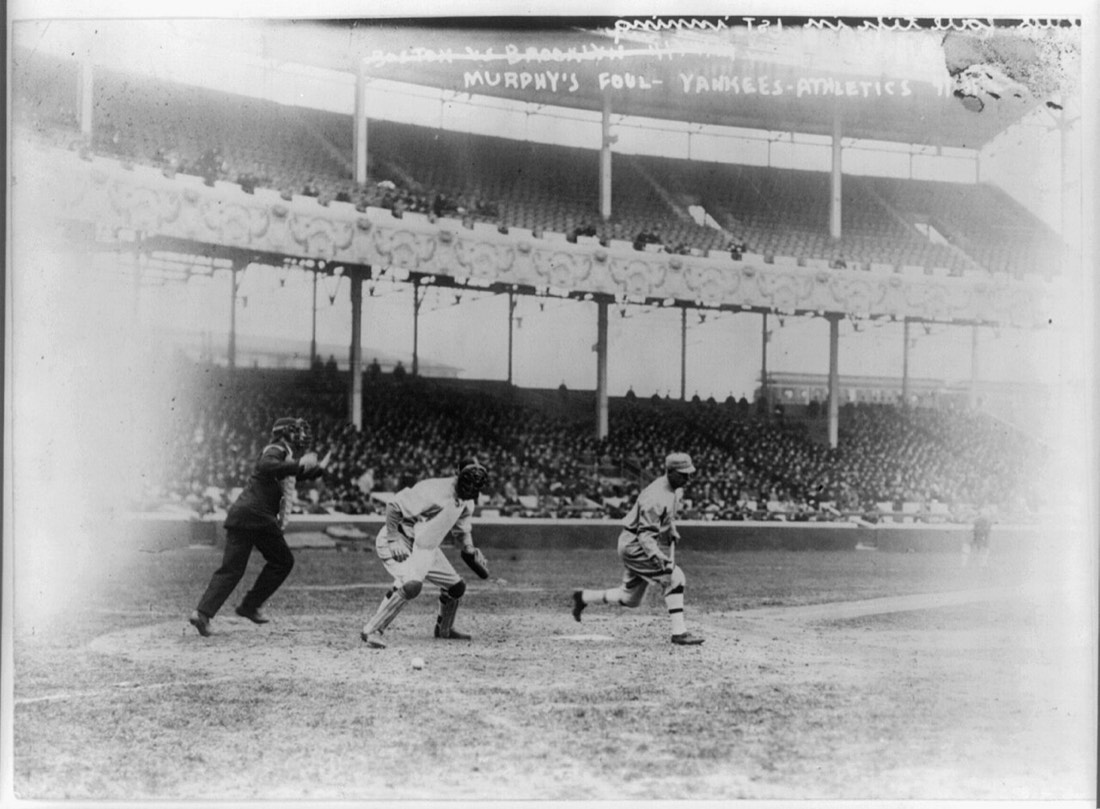
The club's identity is stitched from the agricultural and mining heritage of California's Central Valley, and its fans wear it proudly.
At twenty-three, in a league of teenagers, a Modesto outfielder decided his real job was to raise the ones coming up behind him.
In the Modesto Miners' clubhouse, the players call him "Pops," and he is twenty-three years old. In a summer collegiate league populated largely by nineteen- and twenty-year-olds, four years is a geological gap, and he has leaned into the role the way some men lean into middle age, with a mixture of resignation and quiet pride.
He is, by his own cheerful admission, not the most talented player on the Miners. He is a solid outfielder with a good glove and a serviceable bat, the kind of player who fills out a roster without ever threatening to carry one. In his younger years that self-knowledge stung. He wanted to be a star. He has made peace, over several summers in the league, with being something else instead.
What he became is a mentor, though no coach ever handed him the title. It accreted around him naturally, the way responsibility finds the person willing to carry it. The younger players came to him first with small things, a question about a host family, a worry about a slump, and then with larger things, homesickness and heartbreak and the particular terror of feeling your baseball dreams begin to narrow.
He listens more than he talks, which is unusual in a clubhouse full of young men competing to be heard. When he does speak, it carries weight precisely because it is rationed. A teammate recalls a night he was spiraling after a brutal game, convinced his college coach would bury him on the bench come fall. Pops did not offer a pep talk. He asked a single question: "Who were you playing for tonight, yourself or the guy next to you?" The kid did not have an answer, and the lack of one was its own instruction.
He could have moved on. Four summers in the Golden State Collegiate Baseball League is a long tenure, and the honest truth is that his own playing future is modest. But he keeps coming back, and when you ask him why, he does not talk about his own development. He talks about the younger players.
"Somebody did this for me," he says, and tells the story of his first summer, when he was the lost nineteen-year-old and an older teammate took the time to pull him upright. That teammate is long gone, off into a life that has nothing to do with baseball, but the kindness compounded. Pops is paying down a debt he can never fully repay, so he keeps paying it forward instead, summer after summer, to a rotating cast of kids who will one day do the same.
The coaching staff knows exactly what they have in him. On paper he is a fourth outfielder. In practice he is a force multiplier, the reason the young players settle in faster and spiral less often and leave each summer slightly more whole than they arrived. There is no statistic for that. There should be.
At the end of each season, the player who has been mentored most closely gets the same send-off. Pops finds him, usually in the parking lot, usually when no one is watching, and says some version of the same thing: it is your turn now, be the oldest guy in the room for somebody someday. Most of them nod without fully understanding. A few of them, years later, will find themselves twenty-three in a clubhouse full of teenagers, and they will finally know what he meant, and they will do it too.
The club's identity is stitched from the agricultural and mining heritage of California's Central Valley, and its fans wear it proudly.
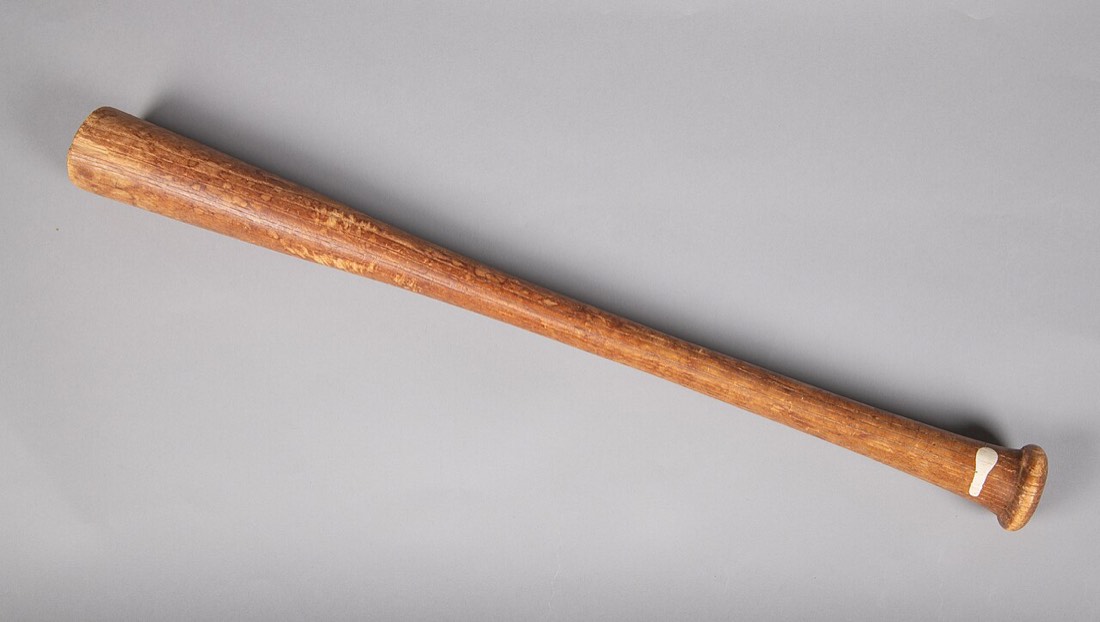
A late comeback and a clutch extra-inning double give the Miners a dramatic win over the Bandits.
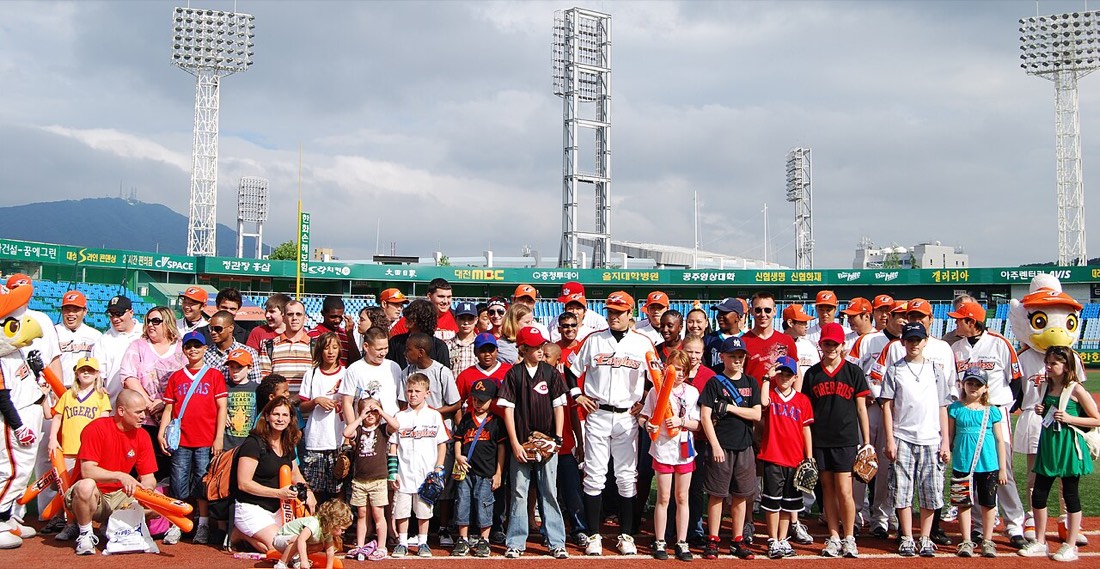
Scouts watching the summer collegiate circuit look past raw numbers for tools, instincts, and the subtle habits that predict how a player will develop.
Comments
Be the first to comment on this story.