Culture
Stretch, Sing, and Stay: The Seventh-Inning Rituals
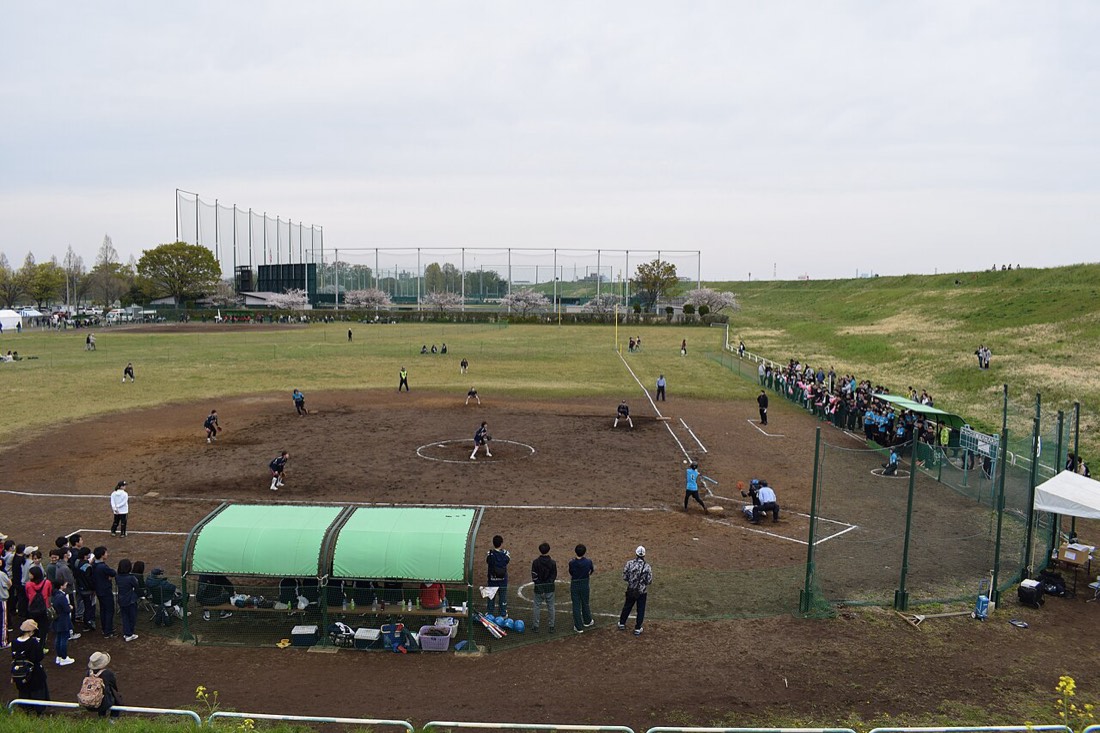
Somewhere in the middle of the seventh, every ballpark in the league does something a little different, and those small rituals are where the fans take over.
From the founding, the league has demanded wood, and that single rule shapes everything from the sound of the game to the fate of the players.
There is a sound a wooden bat makes when it meets a ball squarely, a sharp clean crack that carries to the top row of the bleachers and lands somewhere deep in the memory of anyone who grew up on the game. The Golden State Collegiate League has insisted on that sound since its first summer, mandating wooden bats when metal would have been cheaper, more durable, and easier on the players. The rule was never really about the sound, though. It was about the truth, and the sound is just the part you can hear.
College baseball through the spring is largely played with metal, which does things to a batted ball that wood simply cannot. Metal is forgiving. It rewards a mishit, turning a ball struck off the end of the bat into a double that wood would have dribbled into an easy out. For scouts trying to evaluate a hitter, that forgiveness is a fog. They cannot tell whether a kid can really hit or whether the equipment is hitting for him. Summer wooden-bat ball burns the fog away. With wood, a mishit is a mishit, and a scout sees exactly what a player is.
This is why the league's wood rule is not a quaint preference but a core part of its purpose. Players come to the Golden State Collegiate League specifically to prove they can hit with wood, because every level of professional baseball uses it. A hitter who tears the cover off the ball all spring with metal and then goes quiet all summer with wood has told scouts something important, and so has the hitter who does the opposite. The bat is a lie detector. The league built its reputation on administering the test honestly.
The adjustment is harder than fans realize. Wood is heavier and less forgiving, with a sweet spot smaller and more demanding than metal's. Players arriving in June often struggle for weeks, their spring numbers evaporating as they learn to center the ball on a smaller target with a bat that punishes every mistake. Coaches watch those weeks closely, because how a hitter responds to the wooden bat's difficulty says as much about him as any statistic. The ones who adjust are the ones with a future.
There is a cost to wood that metal does not impose, and that cost is breakage. Wooden bats shatter, splinter, and crack, and a busy club can go through a startling number of them over a summer. Players develop preferences bordering on superstition about the weight, the grain, the particular feel of a favored bat, and the loss of a lucky stick to a jammed inside pitch can genuinely rattle a hitter. There is a small mournful ritual to it, a batter staring at the broken handle in his hand as the barrel spins away down the line.
That fragility creates its own culture. Players hoard their best bats, lending them only to teammates they trust, and the sound of a bat cracking on a check swing can draw a sympathetic groan from a dugout full of men who know exactly what that moment feels like. Some clubs have a player who has become the unofficial expert, the one who knows how to read the grain and pick the stick that will last. The wooden bat is not just equipment. It is a relationship, and like all relationships it sometimes ends abruptly and badly.
For the fans, none of this analysis matters in the moment. What matters is the sound. A metal bat pings, a bright metallic note that is fine and means nothing. A wooden bat cracks, and the crack is the sound of summer baseball itself, the sound that tells you a ball has been hit the way a ball is supposed to be hit. The league could have saved money and spared itself the broken bats and the slow Junes. It chose the crack instead, and fifteen summers on, that choice is as much a part of its identity as the teams themselves. You come for the baseball. You stay, a little, for the sound.
Somewhere in the middle of the seventh, every ballpark in the league does something a little different, and those small rituals are where the fans take over.
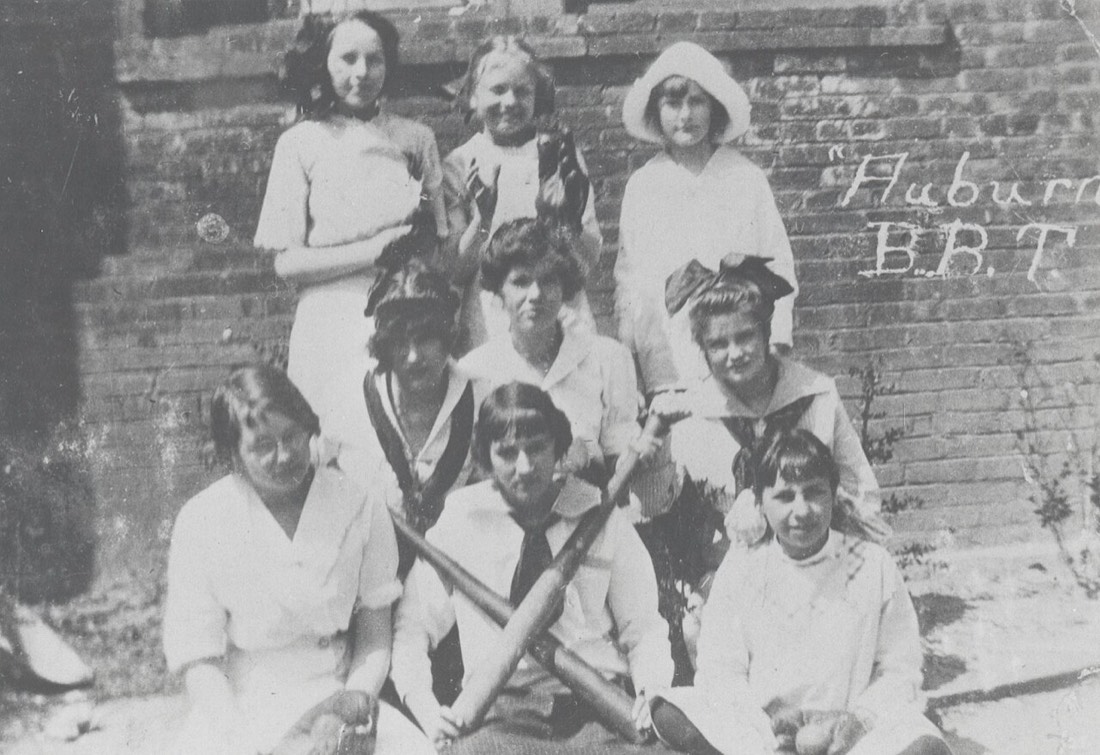
The host families who open their homes each June are the quiet backbone of the league, and the bonds they form often outlast the season by decades.
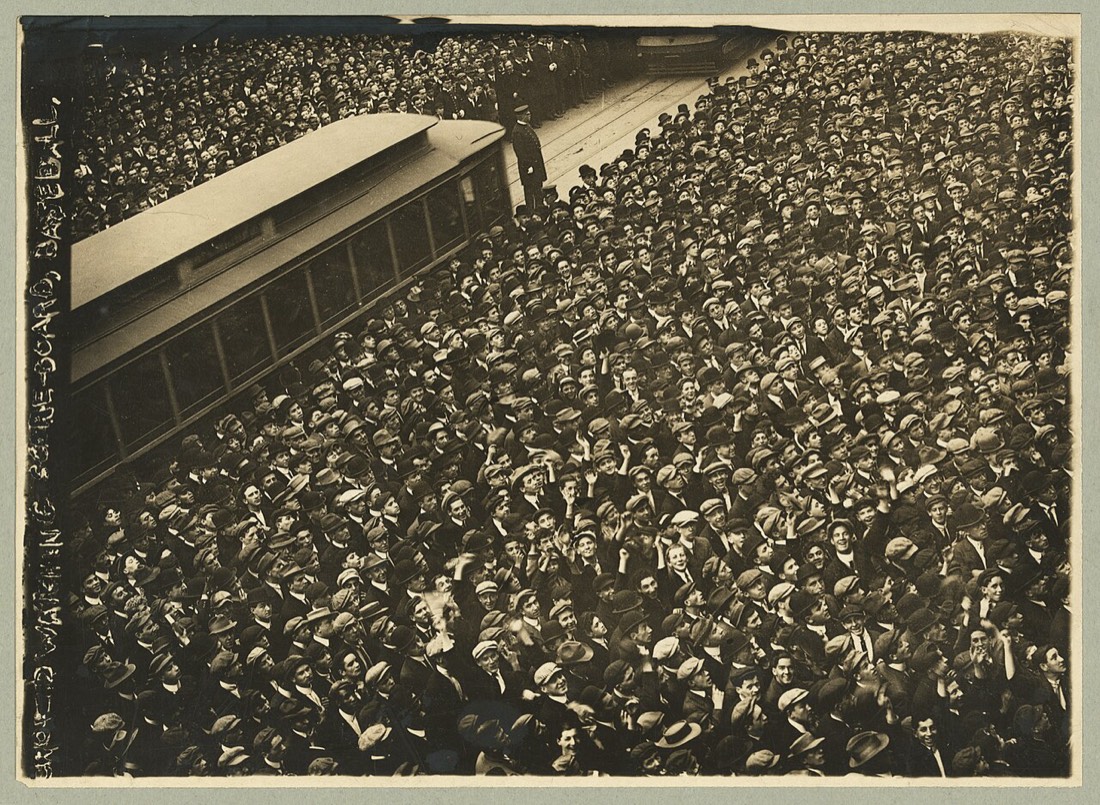
Close your eyes at a league game and the sport reveals itself through a layered music of crack, chatter, and the long easy murmur of a summer crowd.
Comments
Be the first to comment on this story.