Culture
Stretch, Sing, and Stay: The Seventh-Inning Rituals
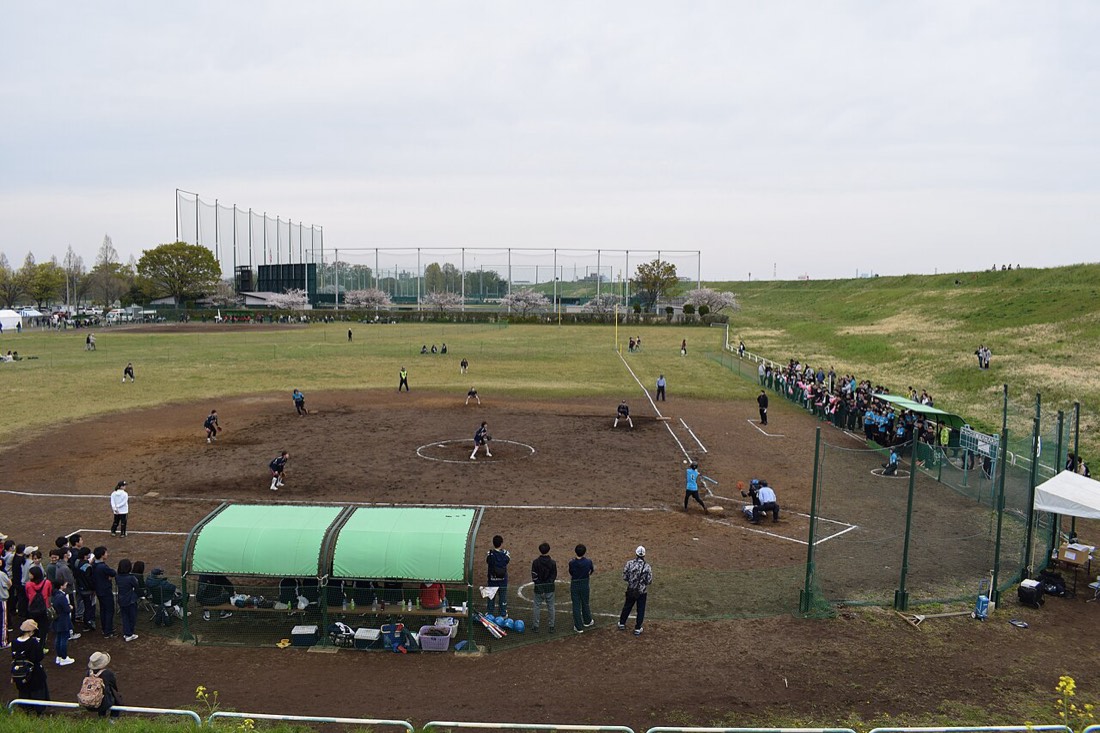
Somewhere in the middle of the seventh, every ballpark in the league does something a little different, and those small rituals are where the fans take over.
A small but devoted band of collectors chases the earliest cards of players who might, someday, be worth remembering.
In a corner of every Golden State Collegiate League ballpark, usually near the gate, you will find a handful of people who are not quite watching the game. They are watching the players, cards in hand, waiting for a chance to get a signature on a piece of cardboard that might, years from now, mean something. These are the collectors, a small and slightly eccentric subculture that has grown up alongside the league, and they are playing a longer game than anyone on the field.
The appeal of collecting summer-league cards is pure speculation dressed up as a hobby. The collector's bet is simple. Some of the young men passing through this league for a single summer will go on to professional baseball, and a rare few will become genuinely famous. A card signed now, when the player is an anonymous college kid in an unfamiliar uniform, could become a small treasure if that kid becomes a star. The collectors are trying to buy a piece of a future that has not happened yet, at a price of essentially nothing, and they know the odds are long.
Most of the cards are homemade or produced in tiny runs by the clubs themselves, printed in small batches as team sets and sold at the stand or handed out on giveaway nights. There is no large industry around them, which is precisely what the serious collectors like. A player's summer-league card is often the very first card he ever had, printed before anyone outside his hometown knew his name. For a collector, that primacy is the whole point. You cannot get earlier than first.
The hunt has its own etiquette and its own heartbreaks. Collectors learn which players are gracious about signing and which hurry past, which clubs print generous team sets and which barely bother. They trade among themselves, swapping doubles and chasing the one card that completes a set. And they live with the knowledge that the overwhelming majority of their collection will never be worth more than the cardboard it is printed on, because most of these players, however good they look this summer, will not become anyone the wider world remembers.
Every so often, the bet pays. A player who signed a few dozen cards one summer in near-total anonymity goes on to real fame, and suddenly those cards are the earliest surviving artifacts of a notable career. The collectors who got to him first tell the story for years, and it is this occasional, improbable payoff that keeps the whole subculture alive. The dream is not really about the money, though the money is pleasant. It is about having seen something before anyone else did, about having recognized a player when he was still nobody.
That is the deeper pleasure the collectors are chasing. To collect a summer-league card is to make a small private prediction, to say this one, I think this one is going somewhere. Most of the predictions are wrong, and the collectors keep the wrong ones anyway, because a drawer full of cards of players who never made it is its own kind of record, a snapshot of a dozen summers of young men who were, for a season, full of promise. There is a melancholy to that drawer, and a sweetness too.
The clubs have learned to treat the collectors kindly, because a devoted collector is a devoted fan, the sort who shows up for meaningless midweek games and remembers players long after the players have forgotten the league. On giveaway nights the stands fill a little earlier, and the collectors are there first, sorting through the fresh team set with the focus of people who understand that they are holding, in their hands, a stack of lottery tickets that are also history. Most will lose. A few will be the only proof that someone great once played a single anonymous summer here. That possibility is enough.
Somewhere in the middle of the seventh, every ballpark in the league does something a little different, and those small rituals are where the fans take over.
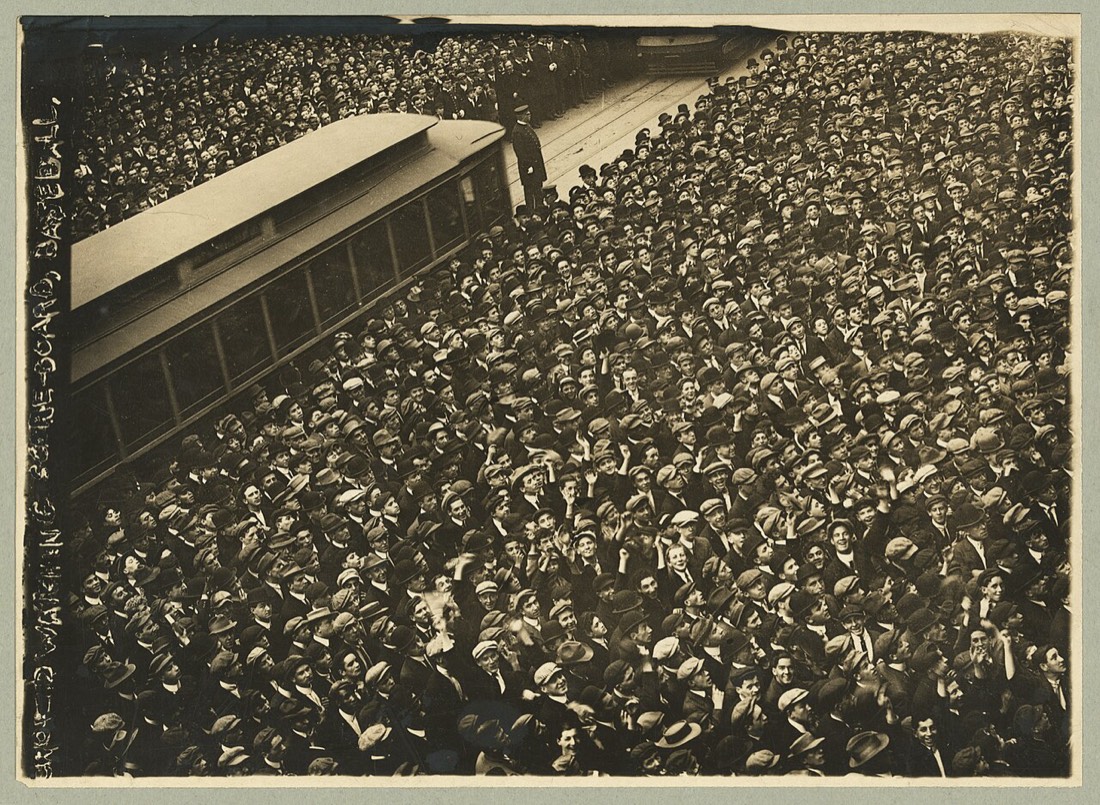
Close your eyes at a league game and the sport reveals itself through a layered music of crack, chatter, and the long easy murmur of a summer crowd.
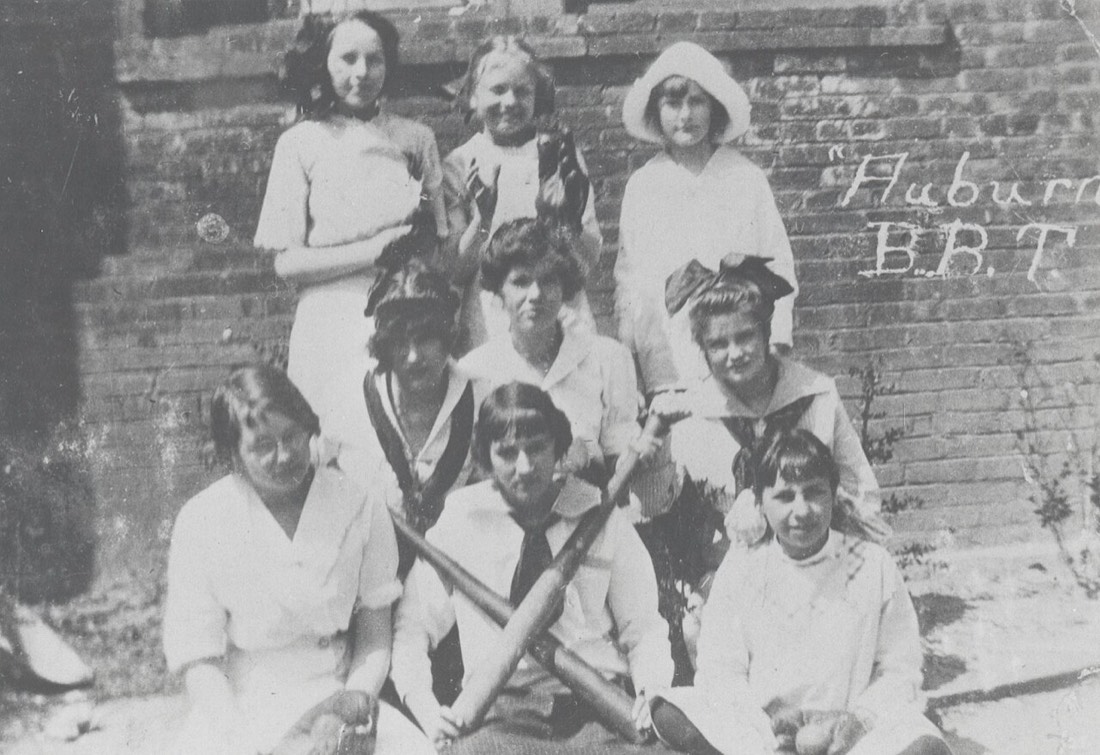
The host families who open their homes each June are the quiet backbone of the league, and the bonds they form often outlast the season by decades.
Comments
Be the first to comment on this story.