News
Sacramento Clinches Valley Playoff Berth in Final Week
A late-season surge carries the Sentinels into the postseason as the Valley Division race comes down to the wire.
A new wild-card round will send two additional clubs to the postseason, with a best-of-three championship series capping the summer.
The Golden State Collegiate Baseball League unveiled an expanded postseason format for the 2026 season on Thursday, growing the playoff field from four teams to six and adding a best-of-three championship series. League officials described the change as a response to years of competitive balance between the Coast and Valley divisions.
Under the new structure, each division's top two finishers earn automatic berths, while the next two clubs by overall record, regardless of division, claim wild-card spots. The two division winners receive byes into the semifinal round, and the four remaining teams meet in single-elimination wild-card games.
League commissioner Angela Reyes-Montt said the expansion reflects the growth of the circuit since its founding in 2009. "We have more competitive programs than ever, and too often a very good team was going home in early August," Reyes-Montt said. "This gives more players a meaningful postseason experience, which is ultimately what this league exists to provide."
The championship series shifts from a single winner-take-all game to a best-of-three set, a change several managers had quietly lobbied for in recent seasons. The reasoning is straightforward: a three-game series reduces the chance that a single pitching matchup or an unlucky bounce decides a summer's worth of work.
Not everyone welcomed the move. A handful of coaches privately expressed concern that a longer postseason could strain pitching staffs built around collegiate arms with innings limits set by their home institutions. The league addressed those worries by mandating minimum rest days between playoff appearances for pitchers and by publishing clear innings-cap guidance to member clubs. Several managers who initially resisted the idea said the safeguards eased their reservations, though a few maintain that the shorter summer schedule leaves little room for a drawn-out tournament.
The decision followed two years of internal review, during which league officials surveyed member clubs and studied the final standings of recent seasons. In three of the past five summers, a team that finished third in its division would have qualified under the new rules despite posting a record superior to the second-place club in the opposite division. Officials pointed to those near-misses as the clearest argument for reform, noting that geography alone had been eliminating deserving teams.
The regular season will proceed on its usual schedule, concluding in late August, with the wild-card round to follow within days. Reyes-Montt expressed confidence that the format would heighten the drama of the season's final weeks. "Every game in August now carries weight. That's good for the players, and it's good for the fans who have supported this league for seventeen years," she said. She added that the league would review the format after a single season and adjust it if the lengthened schedule proved unworkable for member programs.
A late-season surge carries the Sentinels into the postseason as the Valley Division race comes down to the wire.
The league's inaugural interdivision showcase raises funds for youth baseball and sets an attendance record.
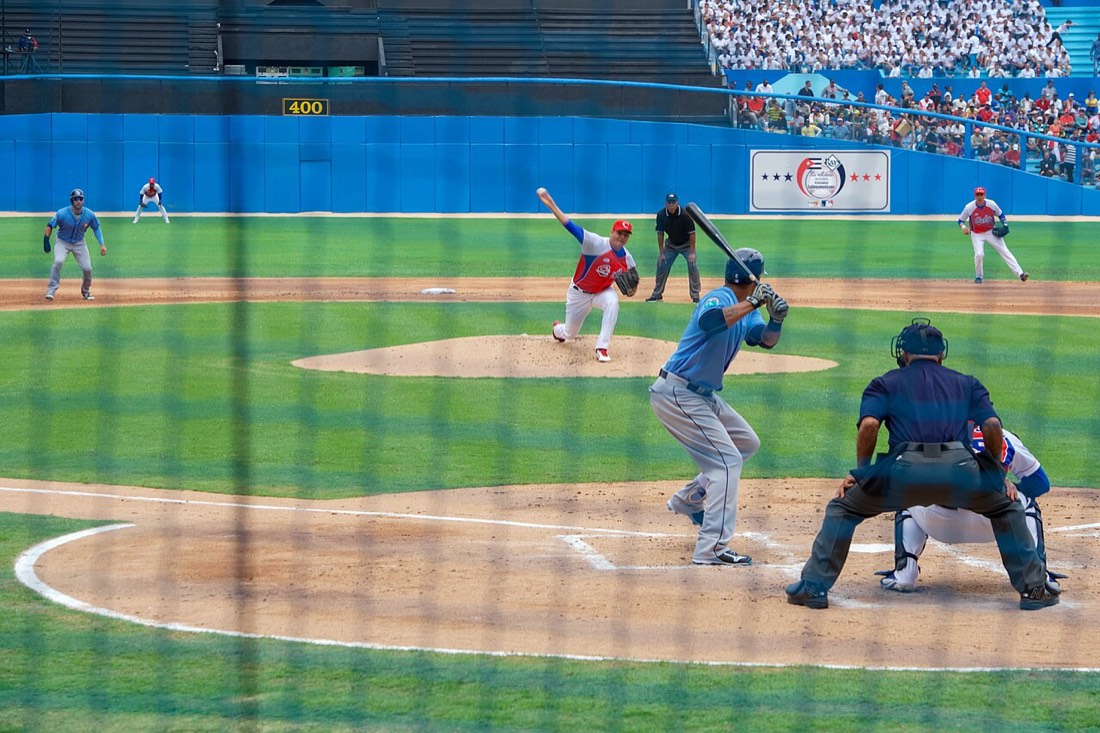
The Golden State Collegiate Baseball League adds interdivision weekends and a midseason showcase to its 2026 calendar.
Comments
Be the first to comment on this story.