News
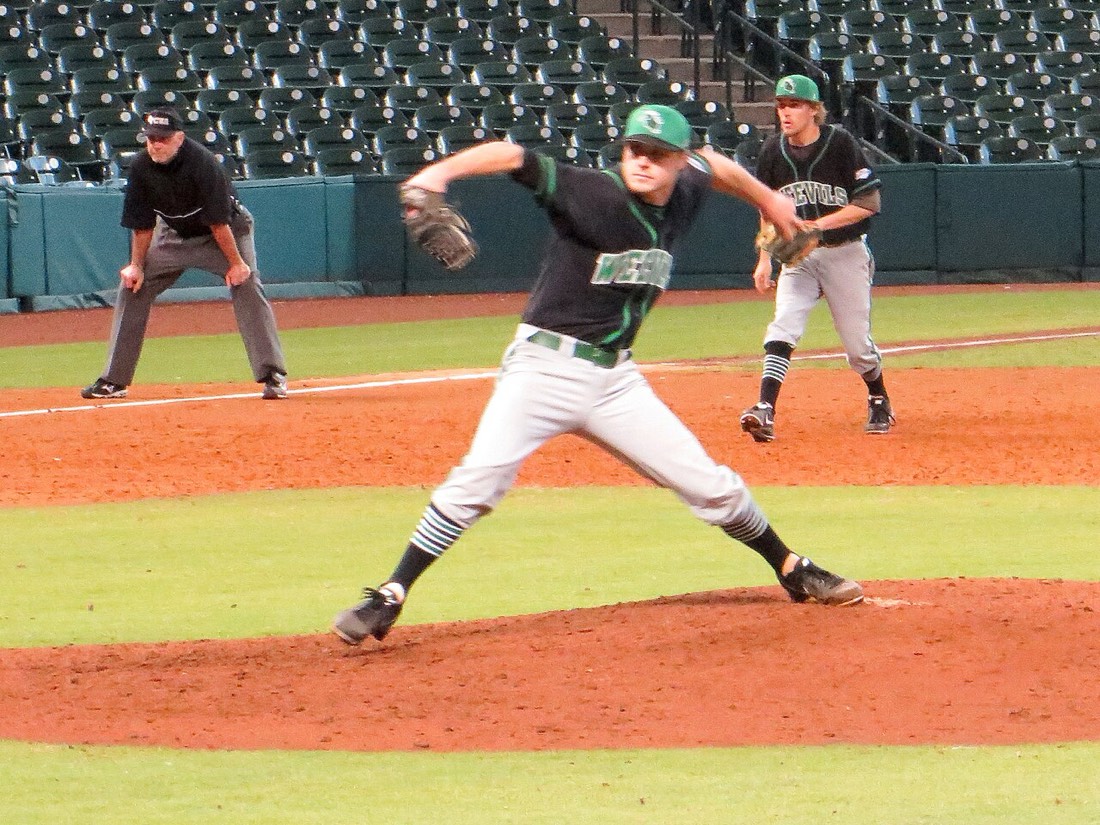
Seals Ace Okonkwo Throws First League No-Hitter Since 2017
Santa Cruz right-hander Femi Okonkwo needed just 104 pitches to blank the Oakland Oaks on a Friday night in June.
How the Santa Cruz Seals built a clubhouse that outsiders keep trying to copy.
Walk into the Santa Cruz Seals' dugout an hour before first pitch and the first thing you notice is the music, which is nobody's favorite. That is the rule, apparently. The pregame playlist belongs to a rotating committee of players, and the only requirement is that at least one person in the room must hate whatever is playing. "If everybody likes it," says the team's longtime equipment manager, "then somebody's not being honest."
It sounds like a joke, and it is, mostly. But it is also the kind of small, deliberate oddity that defines this team, a roster assembled each summer from strangers who have roughly ten weeks to become something resembling a family. The Seals have gotten unusually good at it, and coaches around the Coast Division have noticed.
Most summer collegiate teams run on rules. The Seals run on rituals. There is the postgame circle, win or lose, where players take turns naming one thing a teammate did that did not show up in the box score. There is the "rookie dinner," which is less hazing than a mandatory evening where newcomers cook for the veterans and, in doing so, are forced to learn everyone's name and a single fact about each. There is the pregame handshake line, which has grown so elaborate that it now takes nearly four minutes and has become, inadvertently, a fan favorite.
None of this was designed by a consultant. It accumulated, year over year, as players kept the parts that worked and quietly abandoned the parts that did not. The equipment manager, who has been with the club for more than a decade, is the closest thing the Seals have to an institutional memory. He remembers which traditions came from which teams, and he is the one who hands them down.
The particular challenge of summer collegiate ball is impermanence. Players arrive from dozens of schools, live with host families for a couple of months, and scatter again before the fog fully lifts in August. Building a culture under those conditions is like trying to grow a garden in a rented yard.
The Seals' answer is intensity. They do not have time for a slow burn, so they force closeness early and let it cool into something real. The rookie dinner happens within the first week. The postgame circle starts on day one, even when half the players barely know each other's faces. By the time the games matter, the relationships have already matured well past their actual age.
It is not all warmth. There are arguments, the ordinary friction of competitive young men crammed into a short season. But the rituals give the friction somewhere to go. A player who is frustrated has the circle. A newcomer who feels invisible has the dinner. The structure absorbs the strain.
Opposing coaches have tried to import the Seals' methods, usually with mixed results, because the methods are not really the point. You cannot photocopy a culture. What the Seals have is not a playlist rule or a handshake line but a shared belief that the ten weeks are worth taking seriously, that strangers can become something, and that the something is built on purpose rather than by accident.
When the season ends, the players go home. Some of them will never see each other again. But a surprising number stay in touch for years, group chats that outlast graduations and first jobs and the slow drift of adult life. Ask any of them what they remember, and almost nobody mentions a game. They mention the bad music, the dinners, the circle. They mention the four-minute handshake that made no sense and meant everything. That is the thing outsiders keep failing to copy, because it was never really about baseball at all.
Santa Cruz right-hander Femi Okonkwo needed just 104 pitches to blank the Oakland Oaks on a Friday night in June.
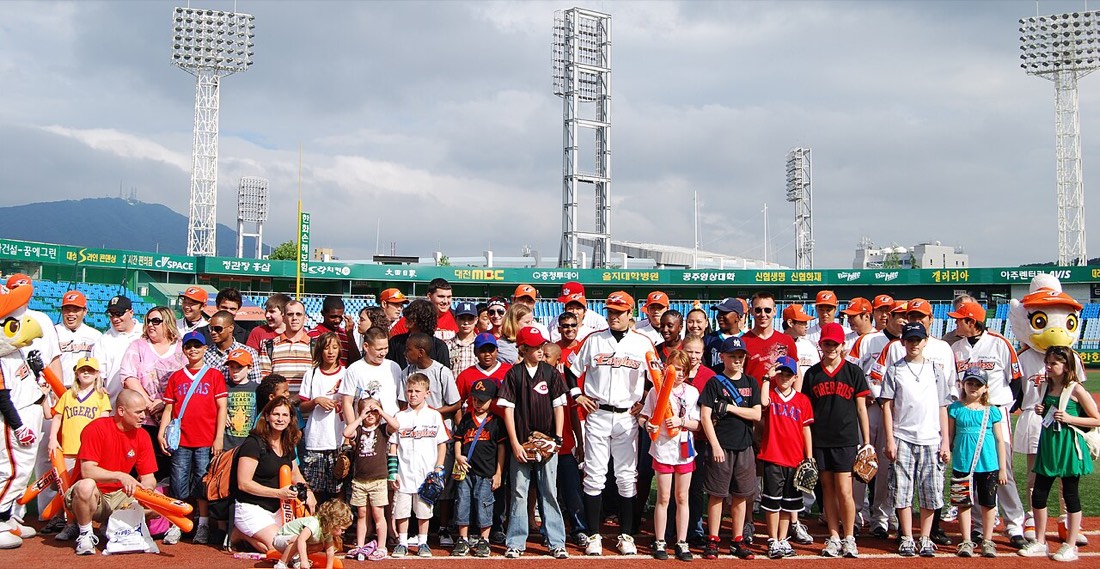
Scouts watching the summer collegiate circuit look past raw numbers for tools, instincts, and the subtle habits that predict how a player will develop.
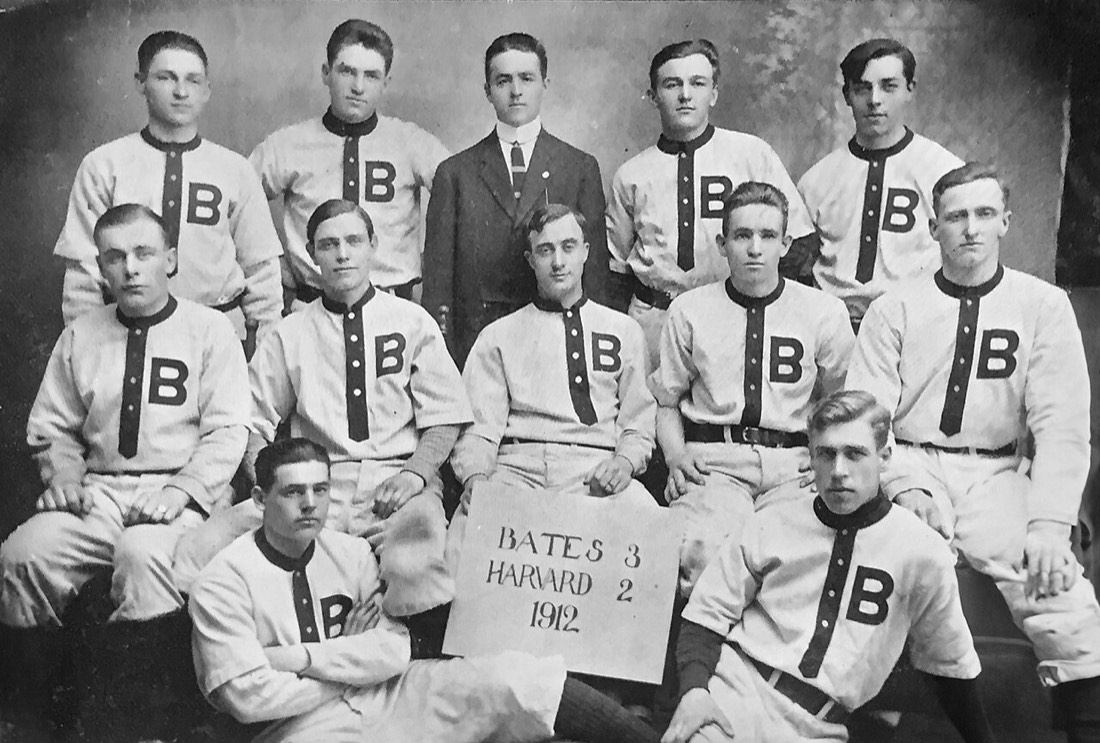
Framing is the quietest skill in baseball and one of the most valuable. A catcher who steals strikes changes how an entire staff attacks hitters.
Comments
Be the first to comment on this story.