Culture
The Sounds of a Summer Ballgame
Close your eyes at a league game and the sport reveals itself through a layered music of crack, chatter, and the long easy murmur of a summer crowd.
Across twelve ballparks, the concession stand is where a summer league truly shows its regional soul.
You can learn almost everything about a Golden State Collegiate League town by standing in line at its concession stand. The food tells you who lives there, what they grow nearby, and what they are willing to wait twenty minutes for in the bottom of the fourth. In a league that prides itself on being local, nothing is more local than what comes off the grill behind the bleachers. The baseball is the same in every market. The smell of the place never is.
In the valley ballparks, the signature is tri-tip, smoked low and slow on a grill that gets rolled out before the gates even open, scenting the whole parking lot so thoroughly that fans arrive hungry whether they meant to or not. The sandwich comes on a soft roll with a sharp sauce, and in certain markets the line for it is longer than the line for tickets. Coastal parks lean the other way, toward seafood and garlic, with baskets of garlic fries so pungent that an entire section can smell when someone two rows down has ordered them.
Every club has its one thing, the item that fans will insist is worth the trip even if the home team is losing by six. In one park it is a chili-topped hot dog built to a recipe the concession manager guards like a state secret. In another it is fresh strawberries sold by the basket, grown close enough that they were in the field that morning. In a third it is a towering ice cream sundae served in a souvenir batting helmet, which no reasonable adult needs and which sells out every single night. The food is not an afterthought to the game. For a lot of families, it is half the reason they came.
The economics of it matter more than outsiders realize. Summer collegiate clubs run on thin margins, and the concession stand is often where a team actually makes its money, since the league keeps ticket prices deliberately low. That means the food has to be good enough to loosen wallets, and the clubs know it. A smart concession operation can be the difference between a club that breaks even and one that quietly folds in August. The tri-tip, in other words, is not just lunch. It is the budget.
Behind most of these stands is a volunteer or a longtime employee who has been working the same grill for a decade and treats it as a vocation. These are the people who remember your order, who slip an extra scoop to the kid whose team just lost, who show up three hours before first pitch to get the smoker going. They rarely get their names in the program, but in their own markets they are as much a part of the home-field identity as any player who passes through for a single summer.
There is a quiet rivalry among the clubs over whose food is best, conducted entirely through word of mouth and the testimony of fans who travel. Visiting supporters will file reports back home about what the enemy ballpark is serving, and more than one fan has admitted to rooting against a road team while happily devouring that team's famous sandwich. Food, it turns out, crosses rivalry lines that nothing else can. You can hate a club and love its garlic fries, and most traveling fans eventually learn to hold both feelings at once.
What ties it all together is the sense that the food is honest, made by hand, rooted in the place where it is served. There is nothing slick about a ballpark tri-tip sandwich or a basket of garlic fries eaten off your lap in the cheap seats. It tastes like a specific town on a specific warm evening, which is exactly the point. The players change every year. The recipes, thankfully, mostly do not. Long after a given summer's roster has scattered, the smell of the smoker will still be drifting across the same parking lot, pulling the same families back for another year of baseball and the food that comes with it.
Close your eyes at a league game and the sport reveals itself through a layered music of crack, chatter, and the long easy murmur of a summer crowd.
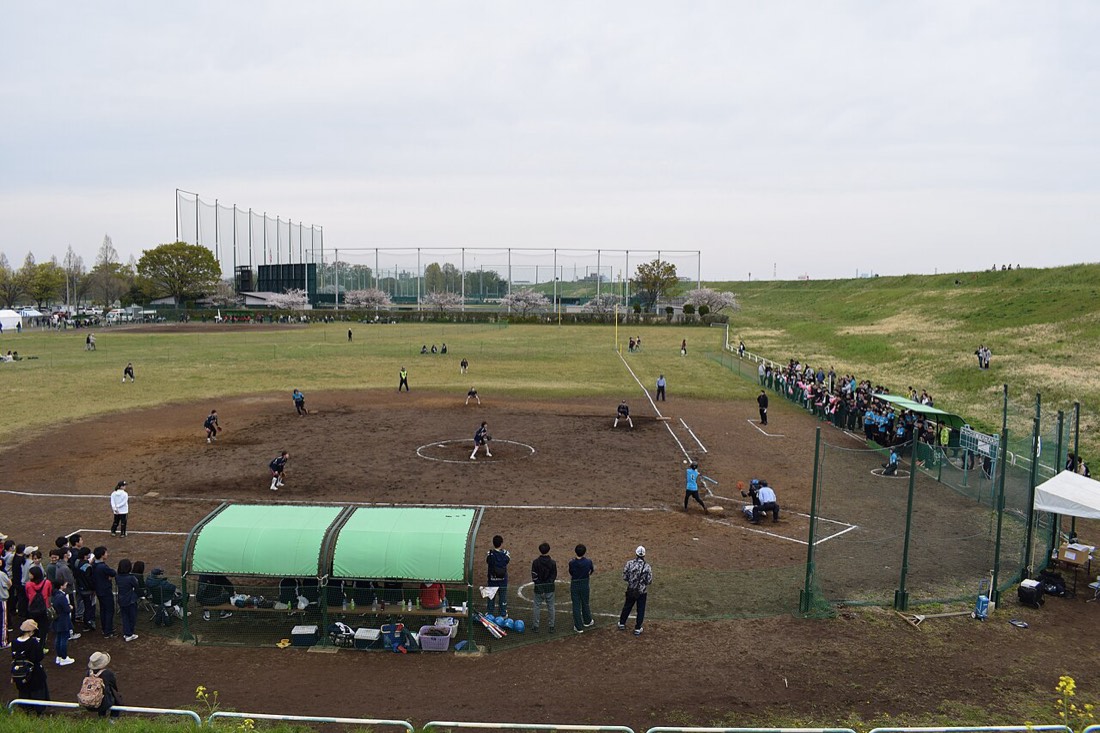
Somewhere in the middle of the seventh, every ballpark in the league does something a little different, and those small rituals are where the fans take over.
The host families who open their homes each June are the quiet backbone of the league, and the bonds they form often outlast the season by decades.
Comments
Be the first to comment on this story.