News
The Long Bus Ride: Culture and Chemistry on a Summer Roster
On a summer collegiate roster, chemistry is forged in bus rides, shared housing, and long schedules, and it quietly shapes how a team performs.
Nothing preoccupies a summer manager more than the health of his starting pitchers. These young arms belong, in a real sense, to the college programs
Nothing preoccupies a summer manager more than the health of his starting pitchers. These young arms belong, in a real sense, to the college programs that assigned them for the summer. A manager who overworks a pitcher will quickly lose the trust of campus coaches. So every start is mapped by limits agreed upon in advance. The result is a constant tension between winning tonight and protecting tomorrow.
The pitch count is the basic tool of workload management, but good managers look well beyond the number. They watch for the quiet signs that a pitcher is tiring: a dropping arm slot, a loss of velocity, or a sudden lack of command. A pitcher can be sharp at eighty pitches one night and done at sixty the next. Reading those signals calls for experience that no spreadsheet can replace. The best managers trust their eyes as much as the counter.
Rest between starts is the other half of the equation, and the summer calendar can make it tricky. With games packed tightly and travel eating into recovery time, a staff must juggle its starters carefully. Some clubs adopt a six-man rotation to give every arm an extra day. Others tandem two pitchers, each throwing a few innings, to spread the load. The approach varies, but the goal never does: send every pitcher back to campus healthier than he arrived.
Communication with the home program is regular and often detailed. A college pitching coach may limit a pitcher at a certain number of innings for the whole summer. The summer manager monitors every appearance against that ceiling. When a pitcher nears his limit, he is eased off regardless of how well he is throwing. This discipline can cost a club a crucial start in a pennant race. Managers accept that trade because the relationship is worth more than any single game.
The nature of summer ball also shapes how pitchers are handled. Many arrive wanting to try a new pitch or refine a mechanical change their college coach suggested. The summer offers an experimental laboratory to test those adjustments against live hitters. A pitcher might spend July working on a changeup he rarely threw in the spring. If it misfires, the cost is small; if it clicks, he returns to campus with a new weapon. That freedom is one of the league's quiet gifts.
Weather and heat add another layer that managers must account for. Pitching in ninety-degree afternoon sun taxes a young arm faster than a cool evening does. Hydration, recovery, and sensible scheduling all become part of the plan. A smart staff may shift a start to a night game to spare a pitcher the worst of the heat. These small decisions add up into the difference between a healthy summer and a lost one.
Relief pitching plays a major role in protecting the starters. Because starters are capped, the bullpen often handles a larger share of the innings than in other leagues. Managers script their relievers almost as carefully as their rotation. A reliable long reliever who can soak up three innings is treasured on a staff with strict limits. Building that depth is one of the harder jobs of assembling a summer roster.
The pressure on a manager rises during a tight game with a tiring ace on the mound. Every instinct screams to leave the best pitcher out there for one more inning. But the agreement with the college program overrides that instinct. A manager who honors the limit, even while losing, builds a reputation for integrity. That reputation, in turn, brings better pitchers in future summers. The discipline pays dividends that extend far beyond one scoreboard.
Scouts, meanwhile, watch how a young pitcher adjusts to the structured workload. They want to see whether he can maintain his stuff deep into a start within his limit. They note how he handles being removed with the game on the line. Maturity in those moments tells scouts a great deal about his future. A summer of managed workloads becomes, in effect, an audition for professional durability.
Over the course of a summer, the cumulative effect of careful management becomes clear in the standings and in the health reports sent back to campus. Clubs that preserve their arms tend to finish strong because their pitchers stay fresh. Clubs that push too hard often collapse in August when the tired arms give out. The league's best-run organizations treat workload as a competitive advantage, not just an obligation. In this game, patience quietly wins.
In the end, the management of a starter's workload embodies the dual mission of the summer league. The games must be competitive and worth watching, yet the players must leave better and healthier than they came. Balancing those aims sits largely on the shoulders of the manager and his pitching coach. When they get it right, everyone wins: the club, the college, and above all the young pitcher. That quiet, careful stewardship is one of the league's finest, if least noticed, achievements.
On a summer collegiate roster, chemistry is forged in bus rides, shared housing, and long schedules, and it quietly shapes how a team performs.
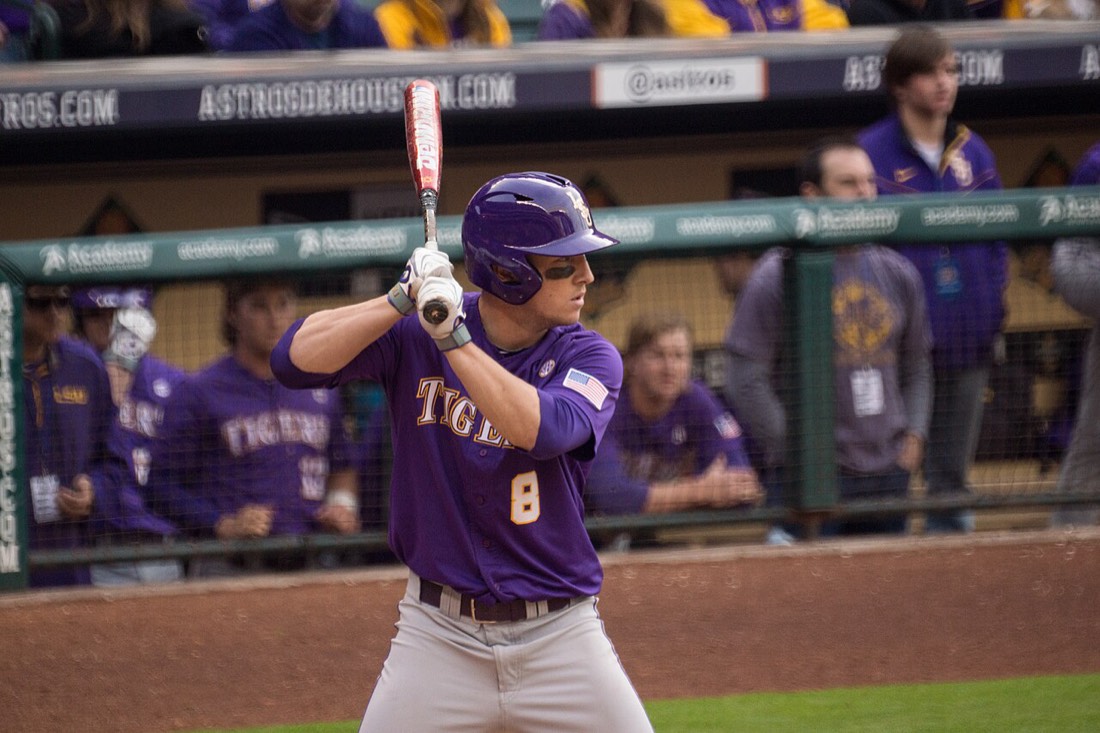
Radar readings have reshaped how young pitchers are trained, scouted, and valued. The chase for velocity has transformed the game, and not without a cost.

The weeks after the summer season end are quietly the most productive stretch on the calendar. Here is how Golden State players turn a short fall window into real progress.
Comments
Be the first to comment on this story.