Analysis
Why Doubleheaders Test a Team's Depth Like Nothing Else
When two games land on the same day, the strengths that carry a club through an ordinary week matter less than the arms it can actually send to the mound.
The romance of summer baseball often obscures the sheer grind of travel that defines the season. Teams cover long stretches of highway between ballpar
The romance of summer baseball often obscures the sheer grind of travel that defines the season. Teams cover long stretches of highway between ballparks, often with little time to rest. A night game can end late, followed by an early departure the next morning. The bus doubles as a second home for weeks at a time. Learning to live on the road is as much a part of the summer as the games themselves.
The team bus is a world unto itself, with its own unwritten rules. Veterans take the back seats while newcomers discover their place up front. Card games, music, and long naps eat the hours between cities. Friendships form in the shared boredom of a six-hour drive. Many players later recall those bus rides more vividly than the games.
Nutrition on the road is an ongoing challenge for young athletes. With limited budgets and tight schedules, meals often depend on gas stations and fast-food stops. Smart players pack their own healthier options to avoid living on junk. Host families sometimes pack sandwiches for the trip. Managing one's body over a summer of poor road food becomes a genuine test.
Sleep, or the lack of it, dictates the rhythm of road life. A player may doze on the bus, in a strange bed, and wherever else he can. The accumulated fatigue compounds over weeks and tests the body's limits. Those who learn to sleep efficiently hold up better in August. The ones who do not often hit a wall when the games matter most.
The road also forges team chemistry in a way home games cannot. Stripped of their usual comforts, players lean on one another for everything. Shared hardship welds a roster of strangers into a team. Inside jokes and road traditions form that outsiders will never understand. By season's end, a group that started as rivals from different campuses feels like a family.
For the coaching staff, travel compounds every logistical challenge. They must arrange lodging, meals, and arrival times while still preparing for the next opponent. A late bus or a wrong turn can disrupt the entire day's plan. Managers learn to leave extra time for the inevitable delays. Flexibility becomes the most valuable trait a staff can have.
The visiting ballpark itself presents a fresh set of challenges each trip. A player must adapt to an unfamiliar outfield, strange lighting, and local ground rules. The wind might knock down differently than at home. Veteran road teams scout these quirks and use them to their advantage. The ability to perform anywhere is a mark of a seasoned summer club.
Homesickness is a hidden companion on long road trips, especially for younger players far from home. Phone calls to family serve as a lifeline during lonely evenings in distant towns. Teammates who spot a struggling newcomer often step in to lift his spirits. Overcoming that loneliness is part of growing up. Many players point to a summer on the road as the moment they truly left childhood behind.
The economics of travel hold everything lean. Budgets are tight, so clubs economize on rooms and meals. Players rarely complain, understanding that the frugality lets the league affordable and alive. The experience teaches a gratitude for small comforts. A clean bed and a hot meal become genuine pleasures after a hard trip.
Despite the hardships, most players look back on the travel with unexpected affection. The long miles brought them stories they would tell for decades. They saw parts of the region they would never have visited otherwise. The road, for all its trials, became an education. It taught lessons that no classroom or home game ever could.
Ultimately, road life is one of the formative experiences of a summer in the Golden State Collegiate Baseball League. It reveals character in ways the games alone do not. The players who embrace the grind grow the most. They return to campus not only as better ballplayers but as more mature young adults. The miles, in the end, are part of the point.
When two games land on the same day, the strengths that carry a club through an ordinary week matter less than the arms it can actually send to the mound.
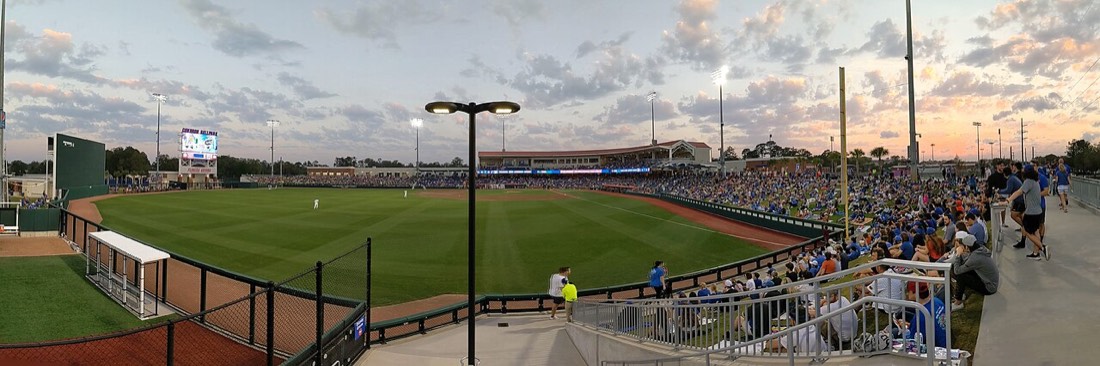
Infield positioning in collegiate baseball blends scouting reports, feel, and situational math into split-second decisions that quietly decide close games.
A closer look at how availability, recovery and daily habits quietly shape the standings in the Golden State Collegiate Baseball League.
Comments
Be the first to comment on this story.