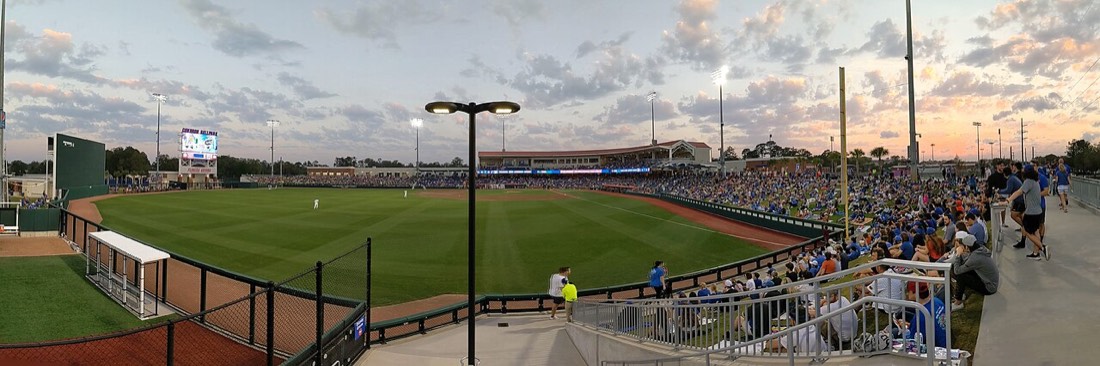
Analysis
Reading the Infield: The Craft of Positioning in Collegiate Ball
Infield positioning in collegiate baseball blends scouting reports, feel, and situational math into split-second decisions that quietly decide close games.
Summer leagues act as a proving ground that scouts watch closely. Away from the structure of the campus season, players display how they manage a grue
Summer leagues act as a proving ground that scouts watch closely. Away from the structure of the campus season, players display how they manage a grueling schedule. Scouts value this extended look.
Evaluators track far more than the box score. They note how a player carries himself before the first pitch. Composure between innings can signal as much as any swing.
Raw skills such as speed, arm strength, and power grab the first wave of attention. Yet scouts recognize that tools alone do not ensure success. They want players who translate tools into production.
Consistency over a full summer carries enormous weight. A single hot week can be deceptive, so scouts observe for sustained performance. The player who produces in July and August gains trust.
The mental side interests the sharpest evaluators. They watch how a player recovers after a strikeout or an error. That composure often distinguishes future professionals.
Scouts also check in with coaches, host families, and teammates. Work ethic off the field informs the overall picture. A player's routines away from the game matter to those making decisions.
For the athletes, knowing scouts are present adds pressure and opportunity. The summer league is often the platform where a prospect breaks through. One standout summer can change a career.
Infield positioning in collegiate baseball blends scouting reports, feel, and situational math into split-second decisions that quietly decide close games.
A closer look at how availability, recovery and daily habits quietly shape the standings in the Golden State Collegiate Baseball League.
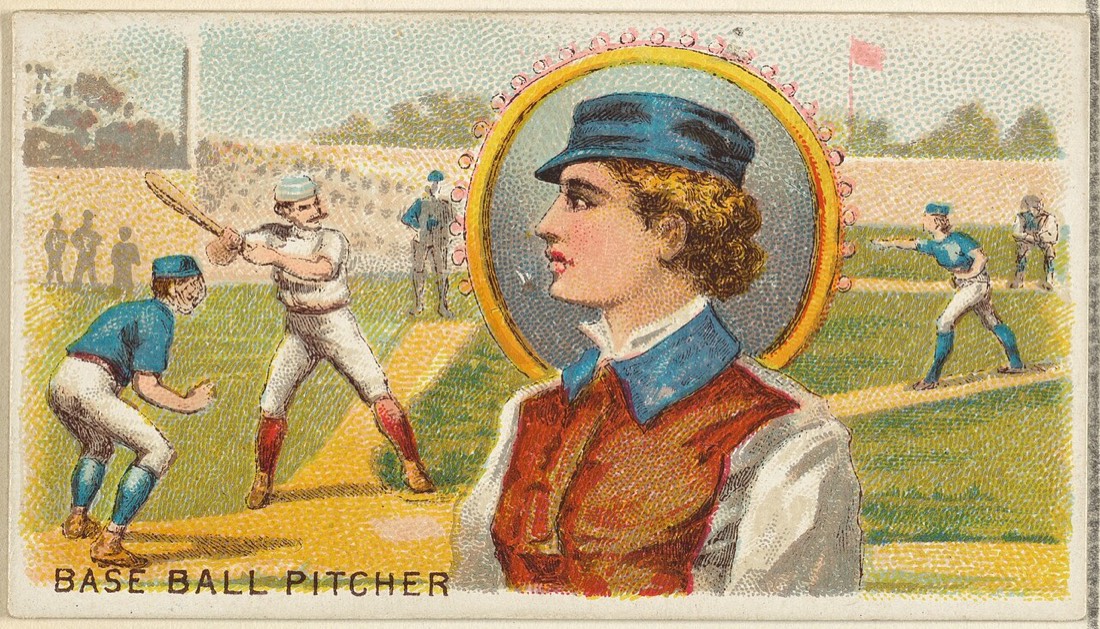
A catcher's glove can steal strikes that never crossed the zone. We look at how framing is taught and why it quietly decides close games.
Comments
Be the first to comment on this story.